
NALSAR vs BCI: Student Protest Challenges BCI Authority
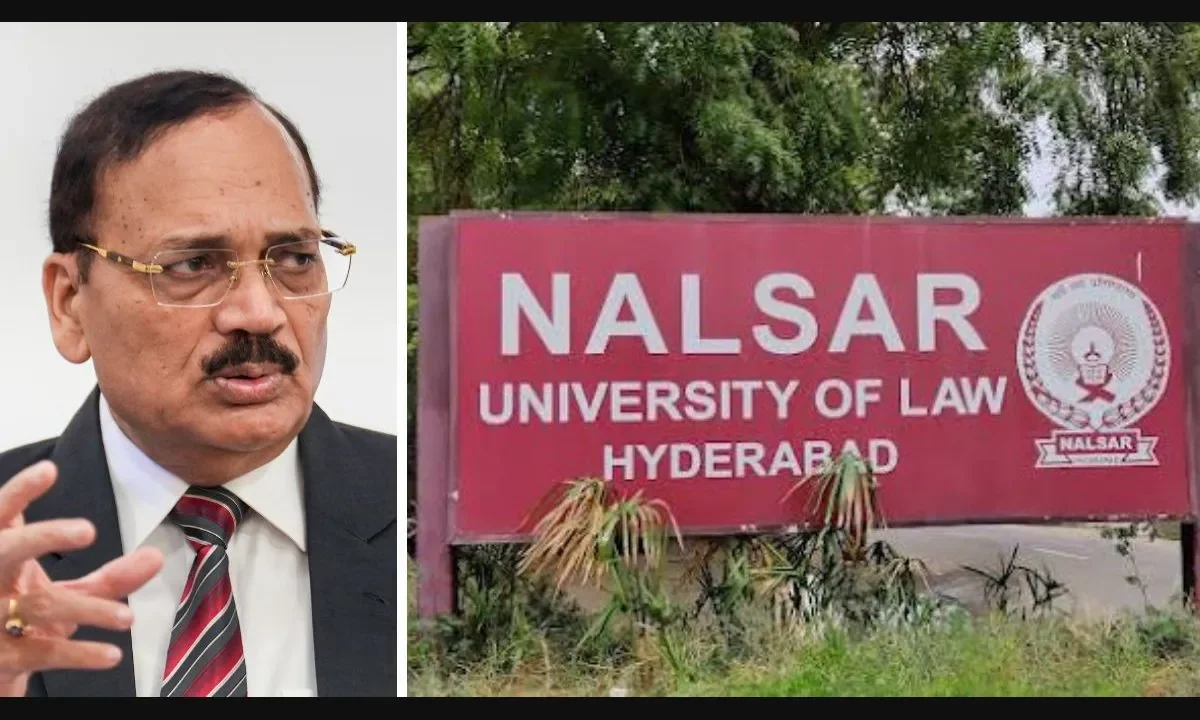
Indiadailyupdate.com – The NALSAR vs BCI dispute has emerged as a landmark confrontation between one of India’s premier law schools and the country’s top legal regulatory body. What began as a seemingly routine academic decision to invite Chief Justice Surya Kant as the convocation guest has escalated into a profound legal challenge regarding the extent of the Bar Council of India’s jurisdiction over law schools. This case represents more than just an institutional disagreement—it questions fundamental principles of legal education governance in India.
The Origins of the Dispute
National Academy of Legal Studies and Research (NALSAR), located in Hyderabad, made the decision to invite Chief Justice Surya Kant to preside over its convocation ceremony. This choice, while academically sound, triggered a chain of events that would ultimately challenge the Bar Council’s regulatory supremacy. The Bar Council of India, which oversees legal education standards across the nation, viewed this invitation through a different lens, leading to what many legal scholars describe as an unprecedented clash of institutional authorities.
The core issue centered on whether the Bar Council had the power to intervene in NALSAR’s academic decisions and whether the law school had violated any established regulations by proceeding with its convocation plans. This disagreement highlighted a critical gap in understanding the boundaries between academic autonomy and regulatory oversight in legal education.
Supreme Court Intervention and Current Status
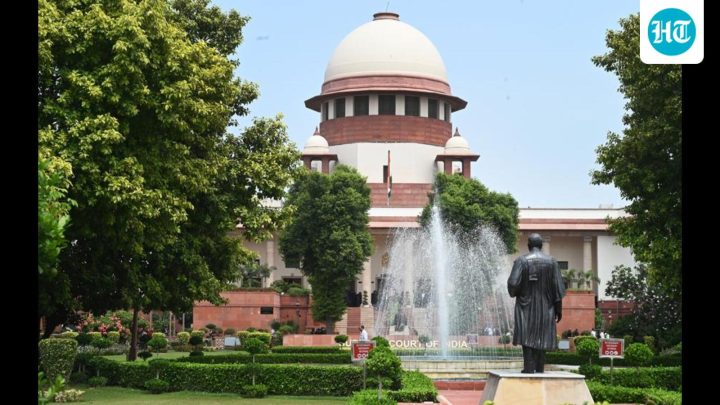
The escalating conflict between NALSAR and the Bar Council of India eventually reached the Supreme Court of India, which played a crucial role in moderating the situation. The apex court’s intervention came at a pivotal moment when punishments were being considered against NALSAR for what the Bar Council perceived as regulatory violations. By ordering a pause on these punishments, the Supreme Court provided breathing space for both parties to present their arguments comprehensively.
“The NALSAR vs BCI case demonstrates how academic institutions must navigate complex regulatory frameworks while maintaining their educational mission and independence.”
This judicial intervention has not only preserved NALSAR’s position but has also set important precedents for how similar disputes might be resolved in the future. The Supreme Court’s approach reflects a balanced understanding of both regulatory necessity and academic freedom in legal education.
Implications for Legal Education
The NALSAR vs BCI case carries far-reaching implications for legal education across India. Law schools nationwide are watching this development closely, as the outcome will determine the extent of their autonomy in making academic decisions. The case raises important questions about whether regulatory bodies should have unlimited powers to intervene in institutional matters or whether there should be clearer boundaries defined by law.
Legal experts suggest that this case could lead to significant reforms in how the Bar Council exercises its regulatory powers. The potential for establishing clearer guidelines for institutional autonomy could benefit not just NALSAR, but all law schools operating under the Bar Council’s jurisdiction. This could result in a more balanced relationship between regulatory oversight and academic independence.
What This Means for Students and Faculty
For students and faculty at NALSAR, the outcome of this dispute has direct implications for their academic environment and institutional reputation. The case has galvanized support from various quarters of the legal community, with many viewing NALSAR’s position as a defense of academic freedom against excessive regulatory interference.
The ongoing nature of this case means that stakeholders continue to monitor developments closely. Any final judgment will likely influence not only NALSAR’s future operations but also the broader landscape of legal education governance in India.
Frequently Asked Questions
What is the NALSAR vs BCI case about? The NALSAR vs BCI case involves a dispute between NALSAR law school and the Bar Council of India over the council’s authority to regulate the school’s academic decisions, particularly regarding the convocation guest invitation.
Has the Supreme Court intervened in this case? Yes, the Supreme Court has intervened by pausing punishments that were being considered against NALSAR, allowing both parties to present their arguments fully.
What are the potential outcomes of this case? The case could result in clearer guidelines for regulatory intervention, potentially strengthening NALSAR’s academic autonomy while maintaining appropriate oversight mechanisms.
How does this affect other law schools? Other law schools under the Bar Council’s jurisdiction may benefit from any reforms that emerge, potentially gaining greater clarity on their regulatory boundaries and academic freedoms.