Nana Patekar Dies at 75, Leaving a Singular Mark on Indian Cinema
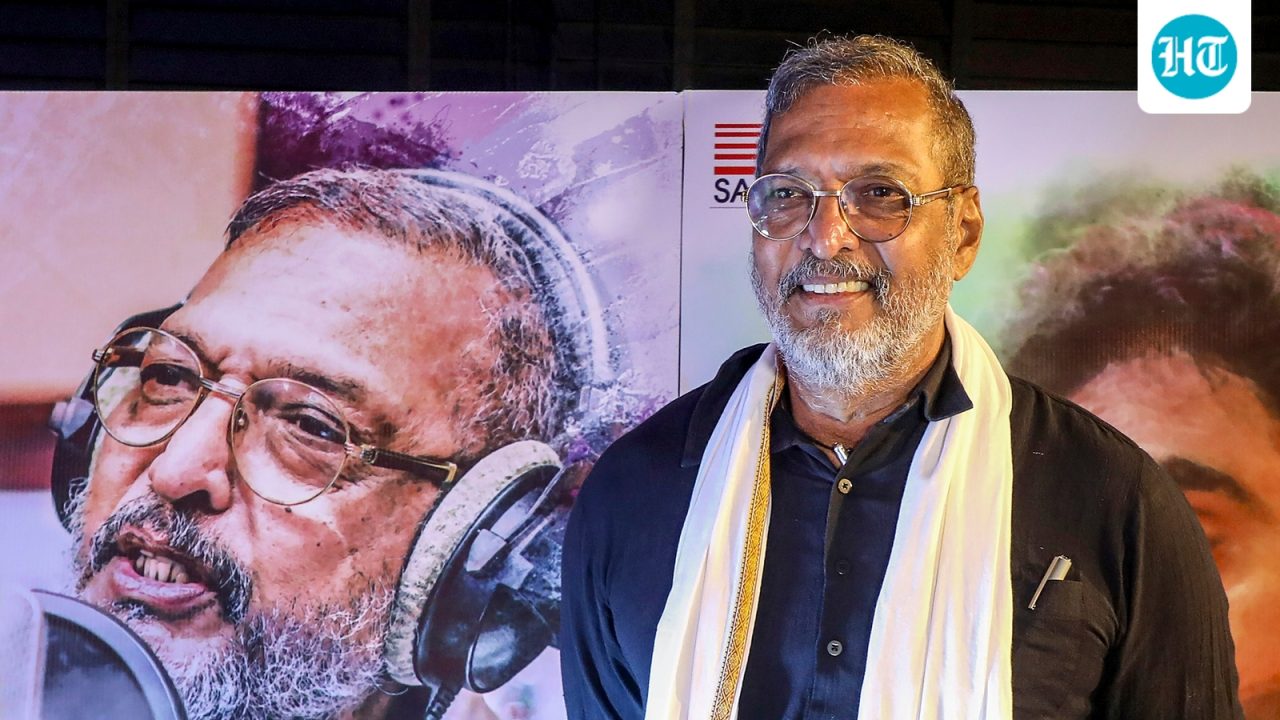
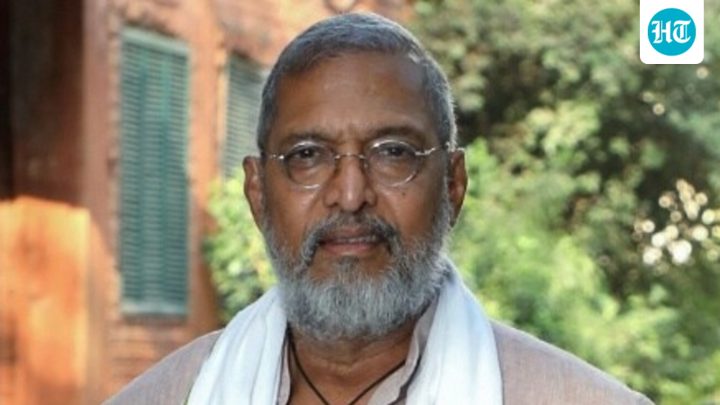
Indiadailyupdate.com – Nana Patekar, the acclaimed actor known for bringing fierce emotional force, a distinctive vocal style and an unusually grounded realism to Hindi and Marathi films, died in Goa early on Thursday. He was 75.
He was found unconscious at his Dona Paula home and rushed to Manipal Hospital. Medical staff attempted resuscitation for about 45 minutes before he was declared dead at approximately 5.20am after suffering a cardiac arrest. His son, Malhar, confirmed the death.
For close to five decades, Patekar occupied a space unlike that of most mainstream film stars. He did not rely on a conventional heroic image. Instead, he built a career around unpredictable, complicated people: men capable of rage, tenderness, fear, humour and silence. His work often carried the feeling of an unfiltered encounter rather than a polished screen performance.
From hardship to the stage
Born Vishwanath Patekar on January 1, 1951, in Murud-Janjira in Maharashtra’s Raigad district, he came from a financially difficult background. He began earning when he was 13. During his student years at Mumbai’s Sir JJ School of Art, he painted film posters to support himself.
Though cinema eventually made him a national figure, theatre shaped his artistic foundation. He spent years working in Marathi plays, developing the discipline and emotional range that later became central to his screen identity. Productions including Hamidabai Chi Kothi, Purush and Maha Sagar established him as an actor of seriousness and control before film audiences began to recognise him widely.
That theatrical training remained evident throughout his career. Even in commercial films, Patekar’s approach was rarely ornamental. His pauses, changes in tone and sudden bursts of intensity gave his characters a lived-in quality. He could make a line feel threatening, wounded or unexpectedly funny without changing the essential truth of the person speaking it.
A breakthrough performance in Parinda
Patekar entered cinema with Gaman in 1978 and gradually gained attention through supporting and character roles, including his work in Ankush. A decisive shift came with Vidhu Vinod Chopra’s Parinda in 1989.
As Anna, the feared crime figure at the centre of the film, Patekar created one of the era’s most unsettling villains. The character’s power did not depend only on physical violence. It came from composure, restraint and the sense that anger could surface at any moment. The role earned him the National Film Award for Best Supporting Actor and placed him among the most compelling performers in Hindi cinema.
His rise was especially notable because he resisted easy labels. Patekar could take on antagonistic roles without being reduced to villainy, and he could lead a film without conforming to the polished conventions associated with stardom. His screen presence was direct, sometimes abrasive and always difficult to ignore.
Defining roles across the 1990s and beyond
The 1990s produced several of Patekar’s most remembered films. In Prahaar: The Final Attack, which he both directed and acted in, he examined themes of discipline, moral responsibility and the armed forces. Tirangaa made his presence familiar to a wider popular audience, while Krantiveer gave him a celebrated leading role and brought him the National Film Award for Best Actor in 1994.
He received another National Film Award for Best Supporting Actor for Agni Sakshi. Across these films, Patekar showed that intensity did not have to mean a single-note performance. His characters could be forceful and volatile, yet they were also marked by vulnerability and moral uncertainty.
Comedy revealed another side of his talent. In Welcome in 2007, his portrayal of Uday Shetty turned a formidable dramatic actor into a favourite with a broad mainstream audience. He carried the same authority into the comic setting, using timing and personality to make the character memorable. Later appearances in films such as Raajneeti and Ab Tak Chhappan added further variety to a body of work that consistently avoided repetition.
A return to Marathi cinema
In 2016, Patekar delivered one of the most powerful performances of his later career in Natsamrat. He played Ganpatrao Belwalkar, an ageing theatre artist confronting isolation, pride and emotional collapse after the lights of the stage begin to fade from his life.
The role held particular resonance because of Patekar’s own long association with theatre. In Ganpatrao’s pain, dignity and instability, audiences could see the emotional vocabulary of a performer who understood the demands of the stage from within. The film reaffirmed that, despite his stature in cinema, theatre remained central to his sensibility.
He continued to work in Marathi films as well, including Dr Prakash Baba Amte – The Real Hero. His career moved between languages and genres, but its core remained consistent: an insistence on making characters feel human rather than merely dramatic.
Recognition and work beyond films
Patekar’s contribution to Indian cinema was acknowledged with three National Film Awards. He was also awarded the Padma Shri in 2013.
His public life extended beyond acting. In 2015, he and fellow actor Makarand Anaspure founded the Naam Foundation, an initiative that provided support to farmers and families affected by drought in Maharashtra. The work added another dimension to an identity already shaped by decades of artistic achievement.
Patekar leaves behind a legacy defined less by a fixed image than by range. He could be intimidating or compassionate, restrained or explosive, serious or comic. What united his performances was a rare ability to make fictional people seem recognisable, flawed and immediate. In Hindi and Marathi cinema alike, he changed expectations of what a screen hero—or a screen character—could be.
Related Reading
Frequently Asked Questions
What is Nana Patekar the actor who made?
Nana Patekar the actor who made is the main topic of this guide. The article explains the context, practical details, and next steps readers should understand.
Why does Nana Patekar the actor who made matter?
Nana Patekar the actor who made matters because readers are looking for a useful answer, not just a short summary. Good content should match search intent and help them decide what to do next.