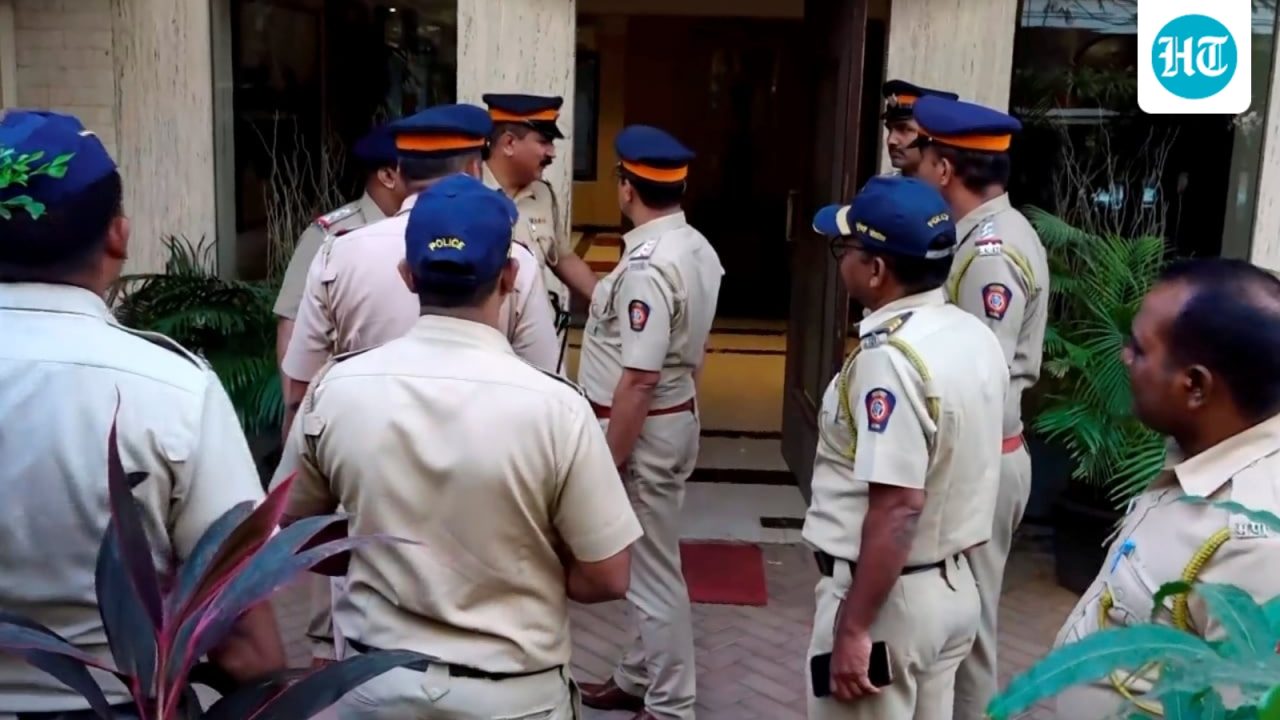

Thane Court Awards 20-Year Sentence in 2019 Child Sexual Assault Case
Indiadailyupdate.com – A special court in Thane has imposed a 20-year rigorous imprisonment sentence on Aakash Baburao Thorat for the sexual assault of a five-year-old girl in 2019. The conviction was recorded under the Protection of Children from Sexual Offences Act, with the court placing significant weight on the child’s testimony.
Special court judge G. T. Pawar delivered the judgment on Tuesday, holding that the prosecution had established the allegations against Thorat. The case concerned an incident in Mumbra, in Maharashtra’s Thane district, on December 1, 2019.
Incident Took Place in Mumbra Neighbourhood
The girl, who was five years old at the time, had gone to play at a neighbour’s home in a chawl, or row-tenement settlement, during the afternoon. Thorat lived in the same neighbourhood, the court heard.
He took the child to his home after enticing her, switched on the television, and sexually assaulted her, the prosecution case stated. Afterward, the frightened child returned to her family and told her mother what had happened.
The mother confronted the accused before approaching the police. An investigation followed, resulting in a chargesheet and trial under provisions of the Indian Penal Code and the POCSO Act.
The POCSO Act is intended to provide specific legal safeguards for children who experience sexual offences. Cases under the law are heard by designated special courts, which are expected to consider the vulnerability of child witnesses while ensuring that the accused receives a fair trial.
Child’s Evidence Found Reliable
During the proceedings, the prosecution presented the girl, her mother and the investigating officer as principal witnesses. Documentary material was also placed before the court.
The judge found the child’s account dependable and said the defence had not demonstrated that it had been influenced or coached.
“The evidence of the victim is of sterling quality and defence has failed to impeach her evidence or bring on record any material to establish that she was tutored. Hence, I am relying upon her evidence,” the judge said.
The ruling underlines that a child witness’s testimony can be sufficient when the court finds it clear, credible and trustworthy. In such trials, judges assess whether the account is consistent with the evidence as a whole and whether cross-examination has revealed a reason to doubt it.
The defence raised issues connected with the investigation, including the preparation of a spot panchanama at an incorrect location and the fact that the child was not sent for a medical examination. The court concluded that these shortcomings did not undermine the prosecution case in the circumstances of this matter.
“Certain discrepancies in investigation, like drawing of spot panchanama of wrong spot or not sending victim formedical examinationare not fatal as nothing is recovered from the spot,” he noted.
The court’s observation reflects the principle that investigative lapses do not automatically erase otherwise convincing evidence. Each case depends on its own record, including the quality of testimony and the relevance of any missing or disputed material.
Conviction Under POCSO and IPC Provisions
Thorat was convicted under Section 6 of the POCSO Act, which concerns aggravated penetrative sexual assault against a child. For that offence, he was sentenced to 20 years of rigorous imprisonment and ordered to pay a fine of ₹5,000. If the fine is not paid, he will face an additional three months of rigorous imprisonment.
He was also convicted under Section 354A of the Indian Penal Code for sexual harassment. The court imposed a separate three-year rigorous imprisonment term and a ₹1,000 fine under that provision.
Both prison terms will operate concurrently, meaning they are to be served at the same time rather than one after the other. The accused will receive credit for the period he has already spent in detention.
The total fine of ₹6,000 has been directed to the victim. The court has also instructed the District Legal Services Authority in Thane to grant additional compensation to her.
Compensation Direction Recognises Survivor Support Needs
The direction to the District Legal Services Authority is an important part of the order. Legal-services authorities can play a role in assisting victims through compensation mechanisms, which are separate from the punishment imposed on an offender.
Compensation does not lessen the seriousness of the offence or replace the need for accountability. It is intended as support for a survivor who may require assistance following a traumatic crime. In cases involving children, the effects of an offence can extend beyond the criminal proceedings, making access to lawful support measures especially important.
The ruling closes a case that began with a complaint from the child’s family after the December 2019 incident. It also highlights the central role that careful judicial evaluation of testimony can play in offences where physical evidence may be limited or investigative errors are alleged.
Related Reading
Frequently Asked Questions
What is Thane man gets 20 years jail?
Thane man gets 20 years jail is the main topic of this guide. The article explains the context, practical details, and next steps readers should understand.
Why does Thane man gets 20 years jail matter?
Thane man gets 20 years jail matters because readers are looking for a useful answer, not just a short summary. Good content should match search intent and help them decide what to do next.