
The High Stakes Battle for UP 2027: Redefining Indian Politics
Indiadailyupdate.com – The high stakes battle for UP 2027 has arrived, marking a watershed moment for Indian democracy. Yogi Adityanath stands poised to become the first chief minister of Uttar Pradesh to secure a second consecutive term after completing his initial five-year tenure. However, the political terrain ahead promises to be substantially different from previous electoral cycles. Multiple dynamics at national and regional levels are converging during this critical period, and the Bharatiya Janata Party’s future trajectory depends heavily on outcomes in this most populous state.
Currently, a growing perception suggests that the ruling party may have lost touch with contemporary India, while its commanding presence at the Centre appears to be gradually diminishing. Consequently, the UP polls carry weight extending well beyond state boundaries and even beyond the immediate next wave of regional elections. The implications could reshape political configurations across other Indian states as well. Read more about Indian politics.
Mounting Challenges for the BJP
The saffron camp finds itself navigating uncharted waters on multiple fronts. The Ayodhya temple theft controversy has placed considerable pressure on the party’s leadership and tested its organizational resilience. Simultaneously, the BJP has encountered its most formidable student-led movement to date, with young voters expressing dissatisfaction with traditional political narratives. Sustained scrutiny from opposition forces has further pushed the ruling party onto the defensive across several key issues.
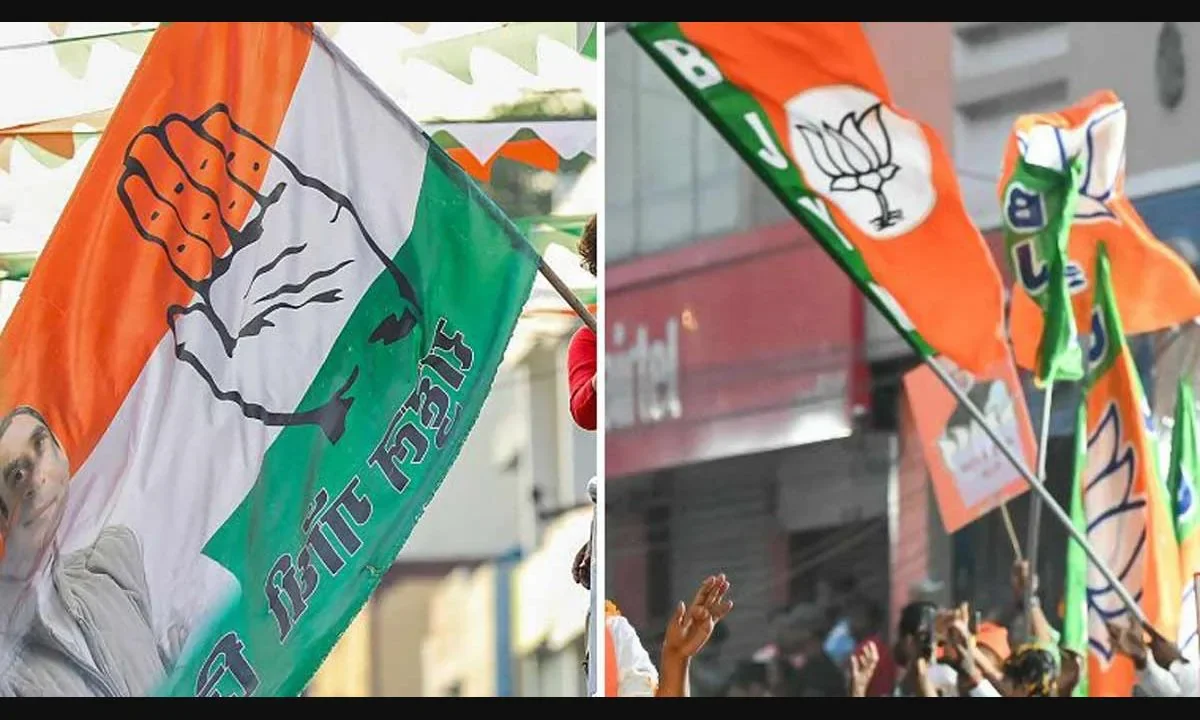
By 2027, the BJP will have completed a full decade of governance in Uttar Pradesh. This extended tenure brings the inevitable challenge of anti-incumbency that has historically affected long-serving governments. The Samajwadi Party and Congress have formed a united front, approaching the elections with renewed confidence and strategic clarity. Both parties believe they now possess sufficient tools to counter the BJP’s well-oiled electoral apparatus.
Perhaps most significantly, the opposition contends that the BJP’s traditional strength—religious politics—may not function as effectively in this election cycle. This perceived vulnerability could tilt the balance in favor of the opposition alliance, especially among younger and urban voters who prioritize development over identity politics.
What’s at Stake Beyond Lucknow
Uttar Pradesh delivered 43 out of 80 Lok Sabha seats to opposition candidates in the 2024 general elections. This remarkable result transformed the state into a genuine battleground where opposition victory appears achievable rather than aspirational. Should the opposition capture power in UP once again, the ramifications would extend far beyond the state capital to influence national political calculations.
“The high stakes battle for UP 2027 will determine whether BJP’s long-standing supremacy endures or gives way to a new political order.”
The BJP recognizes that its national electoral prospects are closely tied to performance in Uttar Pradesh. This understanding has made the saffron camp particularly determined to retain control through strategic alliances and targeted campaigning. Meanwhile, the Samajwadi Party faces existential pressure. Having missed power for two consecutive terms, a third defeat could severely weaken opposition forces within the state and alter the political landscape permanently.
Historical precedents offer cautionary lessons for all parties involved. In Odisha, Naveen Patnaik’s consecutive victories gradually eroded opposition strength over decades. Gujarat witnessed BJP dominance spanning more than twenty years, while Madhya Pradesh experienced similar prolonged BJP rule. Extended single-party control tends to diminish opposition vitality and creates political systems increasingly resistant to change.
This is precisely what distinguishes the 2027 UP election from previous contests. It transcends a simple contest for governance in India’s most populous state. The outcome will reveal whether BJP’s long-standing supremacy endures, whether the opposition’s 2024 breakthroughs represented fleeting gains or fundamental transformation, and whether a completely new political order is emerging in Uttar Pradesh. Explore election analysis.
Frequently Asked Questions
Q: When are the Uttar Pradesh elections scheduled for 2027? A: The UP elections are expected to be held in early 2027, following the completion of the current five-year term of the Yogi Adityanath government.
Q: How many seats are contested in Uttar Pradesh? A: Uttar Pradesh has 403 assembly seats and 80 Lok Sabha seats, making it the largest electoral constituency in India.
Q: What are the main opposition parties contesting the UP elections? A: The Samajwadi Party and Indian National Congress have formed an alliance to contest the 2027 elections together against the BJP.
Q: Why is UP considered crucial for national politics? A: With 403 assembly seats and 80 Lok Sabha seats, UP’s electoral outcome significantly influences both state governance and national political dynamics.