Mumbai complaint follows Shivaji Park protest over Election Commission
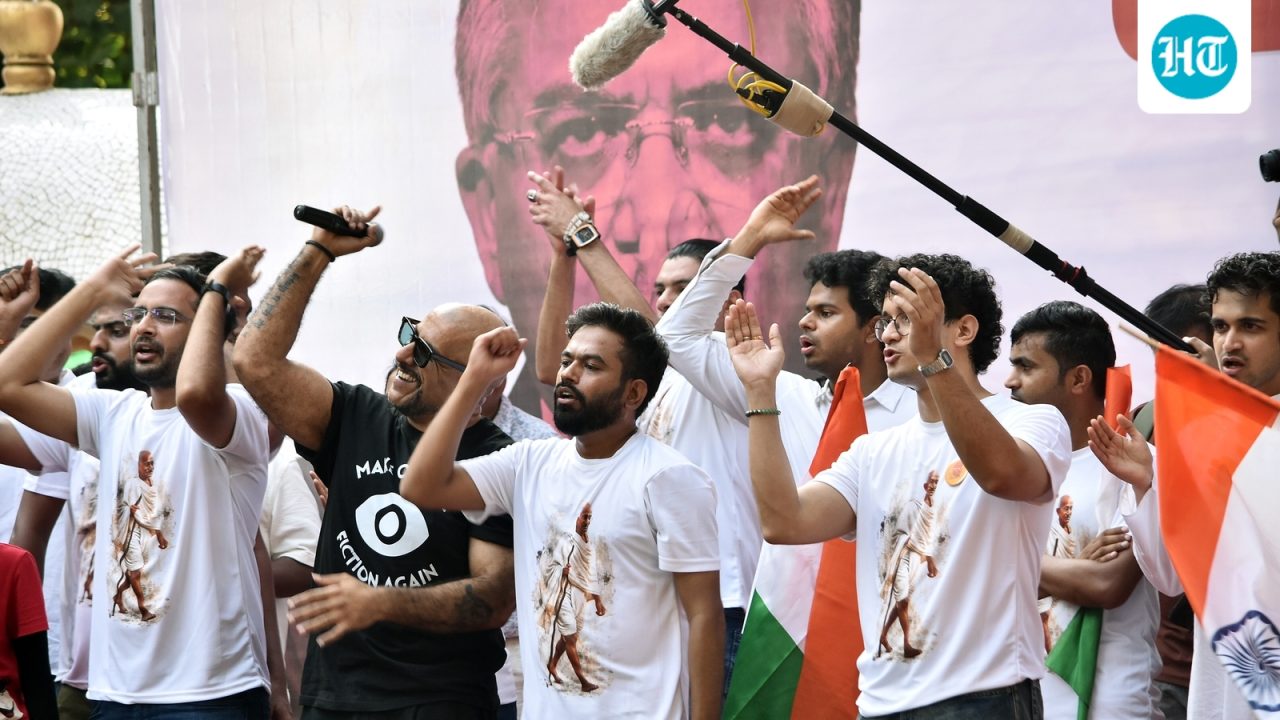
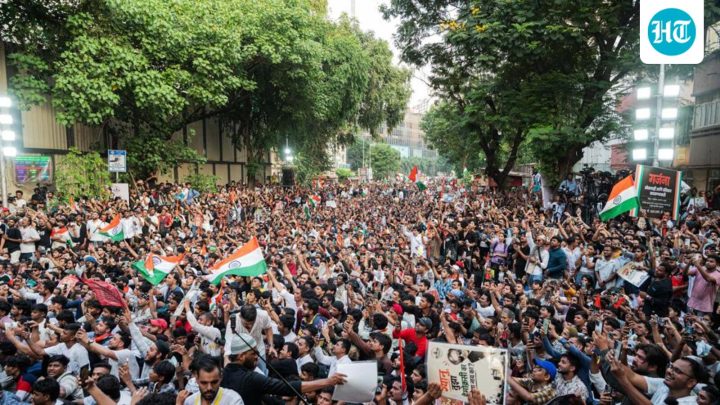
Indiadailyupdate.com – A Shivaji Park resident has approached Mumbai Police with a complaint against leaders of the Cockroach Janta Party (CJP) after a protest was held in the neighbourhood against Chief Election Commissioner Gyanesh Kumar.
The complaint was submitted on Friday by advocate Siddhi Deolekar, who said she has lived in the Shivaji Park area for a decade. Her objection centred on the protest taking place on local roads despite police having previously declined permission for the gathering.
Deolekar said she supports the constitutional right to demonstrate but argued that protests should be organised at locations earmarked for that purpose. She referred to a Bombay high court order that had been cited by Mumbai Police while refusing permission for the proposed event.
“I have lodged a complaint against the CJP founders for conducting an illegal protest today.”
She said the Shivaji Park Police Station had issued a letter to Ajinkya Shinde stating that permission had not been granted. In her view, proceeding with the protest despite that communication created avoidable disruption for residents and road users.
Residents raise concerns over traffic and security
Deolekar said public protests should not come at the cost of traffic movement or the sense of security of people living nearby. She suggested that participants could choose established demonstration sites such as Azad Maidan in Mumbai or Jantar Mantar in Delhi instead of gathering outside residential properties.
“Everyone has the right to protest, but there are designated places for protests.”
She questioned why demonstrators should block roads or sit near residents’ homes while making political demands. If protesters want the Election Commissioner to resign, she said, their demonstration should be directed to an appropriate public protest venue rather than a residential locality.
The advocate also thanked Mumbai Police for responding to concerns raised by her and other citizens. She said several people contacted the police seeking support and reassurance during the event, and expressed hope that suitable action would follow.
“We simply needed assistance and wanted to feel secure.”
CJP describes action as start of wider campaign
CJP founder Abhijeet Dipke had presented the Mumbai protest as the opening stage of a nationwide agitation. The group has alleged irregularities in electoral rolls and is seeking greater accountability in the functioning of the Election Commission.
The gathering took place after Mumbai Police denied permission for a Shivaji Park protest. The reasons cited included possible noise pollution, traffic congestion and disruption to movement in the area. Dipke subsequently announced a “Jail Bharo Andolan” at the same venue.
The dispute illustrates the recurring tension between the right to assemble and authorities’ responsibility to manage public spaces. Demonstrations can be an important avenue for political expression, while police and local residents may raise concerns when an event is expected to affect traffic, access or ordinary activity in a densely used neighbourhood.
Whether a protest is permitted often depends on the proposed site, expected crowd size, timing, traffic arrangements and public-order considerations. The complaint in Mumbai places attention on the question of whether protesters followed the restrictions communicated by local police.
Similar demand raised in Delhi
The issue has also prompted demonstrations in the national capital. Student activists and Aam Aadmi Party leaders have gathered at Jantar Mantar demanding Kumar’s resignation. More than 500 protesters were detained in Delhi, including AAP leaders Atishi and Sanjay Singh. Efforts were also made to detain All India Students’ Association president Neha Bora.
The protests follow a political dispute over the Election Commission’s internal decision-making and its handling of electoral-roll matters. Concerns have been raised over issues including changes to Form 6, access to the electoral roll database, voter additions and deletions, restoration of names, and the Special Intensive Revision exercise.
The controversy intensified after claims that commissioners Sandhu and Joshi had objected to several poll panel decisions during a 10-month period. Opposition parties have called for Kumar to step down and have sought intervention by the Supreme Court, arguing that questions need to be addressed about the poll panel’s functioning.
The Election Commission has rejected the suggestion that the observations indicated a collapse of consensus within the body. It has maintained that differing views, suggestions and observations are a normal element of deliberation in a multi-member constitutional institution.
The Commission has further said that final decisions, including those related to the Special Intensive Revision, were made unanimously. In a later statement, it stressed that all three election commissioners had approved decisions connected with the exercise.
For now, the Mumbai complaint adds a local legal and civic dimension to a wider national political debate. Police action on the complaint, the status of future protests and the continuing arguments over electoral administration will remain central to how the dispute develops.
Related Reading
Frequently Asked Questions
What is They were not granted permission?
They were not granted permission is the main topic of this guide. The article explains the context, practical details, and next steps readers should understand.
Why does They were not granted permission matter?
They were not granted permission matters because readers are looking for a useful answer, not just a short summary. Good content should match search intent and help them decide what to do next.