
Tigmanshu Dhulia voices frustration over creative barriers in Hindi cinema
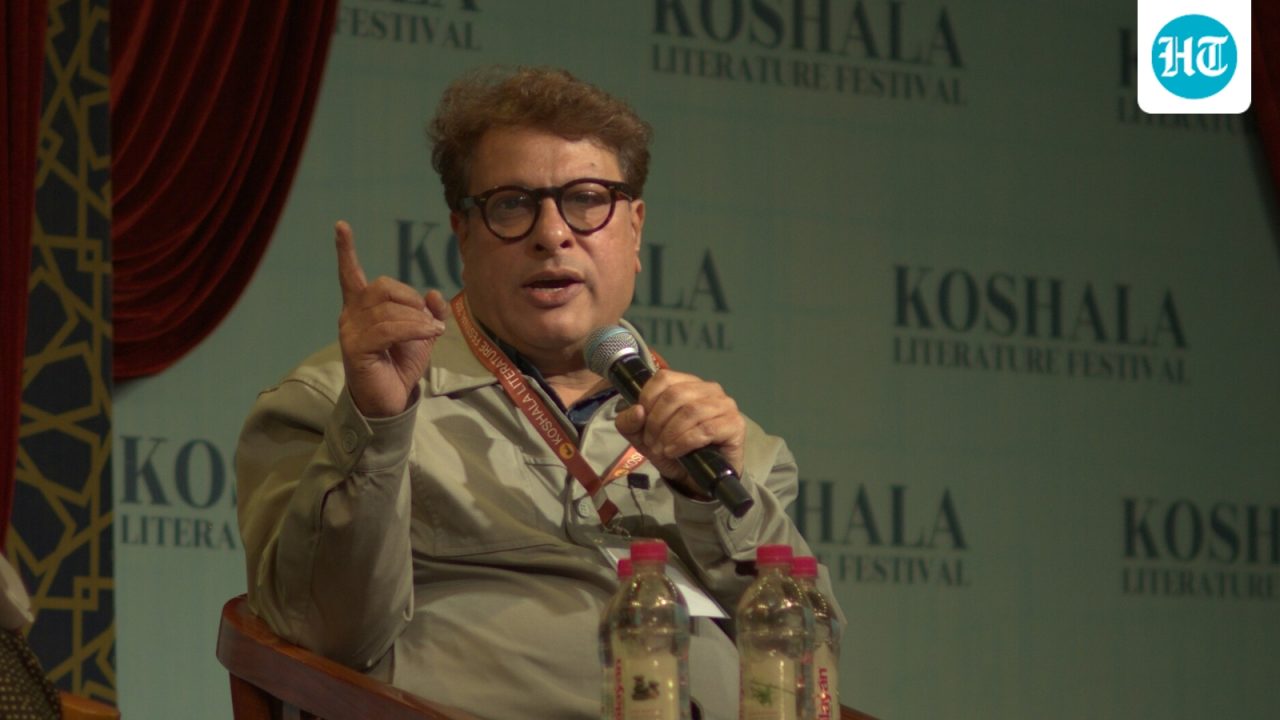
Indiadailyupdate.com – Filmmaker Tigmanshu Dhulia has spoken candidly about the difficulties faced by directors and artistes trying to pursue distinctive storytelling in the Hindi film industry. The director, whose work includes Haasil, Paan Singh Tomar, and Saheb Biwi Aur Gangster, believes commercial decision-making often limits films with stronger creative possibilities.
Dhulia said the process of getting a film made has become a continuing battle, particularly when a filmmaker wants to present a familiar subject in an unfamiliar or more imaginative manner. In an interview with PTI, he criticised the people responsible for approving projects, arguing that their lack of perspective harms meaningful cinema.
“Every film is a struggle. If you want to say a story in a different way, this industry stops us from making good art. The people who greenlit projects here have zero vision. So, you are cursed.”
His comments address a long-running tension in the industry: the pressure to follow established formulas even when those formulas do not consistently deliver successful films. Dhulia questioned why producers and executives continue to rely on calculated templates while overlooking the potential of stories that may not fit a narrowly defined commercial expectation.
Questions over the formula-first approach
The director said that filmmakers in India regularly encounter resistance when they attempt work that is seen as creatively ambitious. For him, the problem is not merely that unusual films struggle for backing, but that conventional industry rules themselves have not guaranteed results.
“If you are making films in India, you will always be stopped from doing good work. You won’t be allowed to do it. What’s their ratio (producers)? They have a higher ratio of flops. Despite following the rule, they are still failing,”
Dhulia’s argument is that the obsession with a formula may be misplaced. A project can contain recognisable commercial ingredients and still be misunderstood during the approval process. That uncertainty can leave filmmakers caught between the desire to make an accessible film and the difficulty of convincing decision-makers that accessibility does not require a predictable creative approach.
His observations carry particular weight because his own filmography has moved across crime dramas, political narratives, biographical cinema and character-driven stories. Paan Singh Tomar, centred on the athlete-turned-rebel, became one of his best-known films, while Haasil and the Saheb Biwi Aur Gangster films established his interest in power, conflict and morally complicated characters.
Ghamasaan’s move to streaming
Dhulia’s latest release, Ghamasaan, has brought those concerns closer to home. The gangster drama stars Arshad Warsi and Pratik Gandhi, with Rajpal Yadav also part of the cast. Although the film is now available on ZEE5, Dhulia said it was initially intended for a theatrical release.
He described the shift to an OTT platform as painful, especially because he sees the project as a straightforward commercial film rather than an experimental one. For audiences, the distinction matters: streaming has created more avenues for films to reach viewers, but a direct-to-digital launch can still mean losing the scale and communal experience associated with a cinema-hall release.
“It is a commercial film. They don’t understand whether it is a commercial film or not. It is a simple name ‘Ghamasaan’. There are gun and bullets. It is a simple story. The story is conventional,”
The filmmaker’s point is that Ghamasaan has elements commonly associated with mainstream entertainment: a gangster setting, violence, firearms and a clear narrative framework. Yet, even with those features, the film faced obstacles before reaching audiences. Dhulia said it “hurts a lot” that the project could not arrive first on the big screen as planned.
The discussion around the film also reflects a broader challenge for Hindi cinema. The route a film takes to viewers can shape how it is perceived, marketed and discussed. A theatrical release may offer visibility through trailers, cinemas and word of mouth, while a streaming premiere places a title among a far larger digital catalogue. Neither format automatically determines quality or popularity, but the choice can significantly influence a film’s cultural journey.
A new project with Nawazuddin Siddiqui
Dhulia is also developing his next feature, Wo Phir Kabhi Dikha Nahin, an adaptation of Hindi writer Uday Prakash’s short story Dilli Ki Deewar. Plot details have been kept private, though the film is understood to be set against the background of a Delhi slum.
Shooting on the project has reportedly been completed. Nawazuddin Siddiqui plays the lead role, and the film is expected to release later this year. The collaboration brings together a director known for gritty, socially rooted stories and an actor widely recognised for inhabiting unconventional and layered characters.
For Dhulia, the new film represents another opportunity to engage with material outside the safest industry assumptions. His recent remarks suggest that the struggle for creative freedom is not separate from the everyday realities of financing, approvals and distribution. It begins well before cameras roll and can continue until a completed film finds its way to an audience.
While Ghamasaan is now streaming on ZEE5, Dhulia’s criticism raises a larger question for Hindi cinema: whether the people deciding which stories move forward are prepared to recognise commercial potential beyond the formulas they already know.
Related Reading
Frequently Asked Questions
What is Tigmanshu Dhulia says Bollywood stops filmmakers?
Tigmanshu Dhulia says Bollywood stops filmmakers is the main topic of this guide. The article explains the context, practical details, and next steps readers should understand.
Why does Tigmanshu Dhulia says Bollywood stops filmmakers matter?
Tigmanshu Dhulia says Bollywood stops filmmakers matters because readers are looking for a useful answer, not just a short summary. Good content should match search intent and help them decide what to do next.