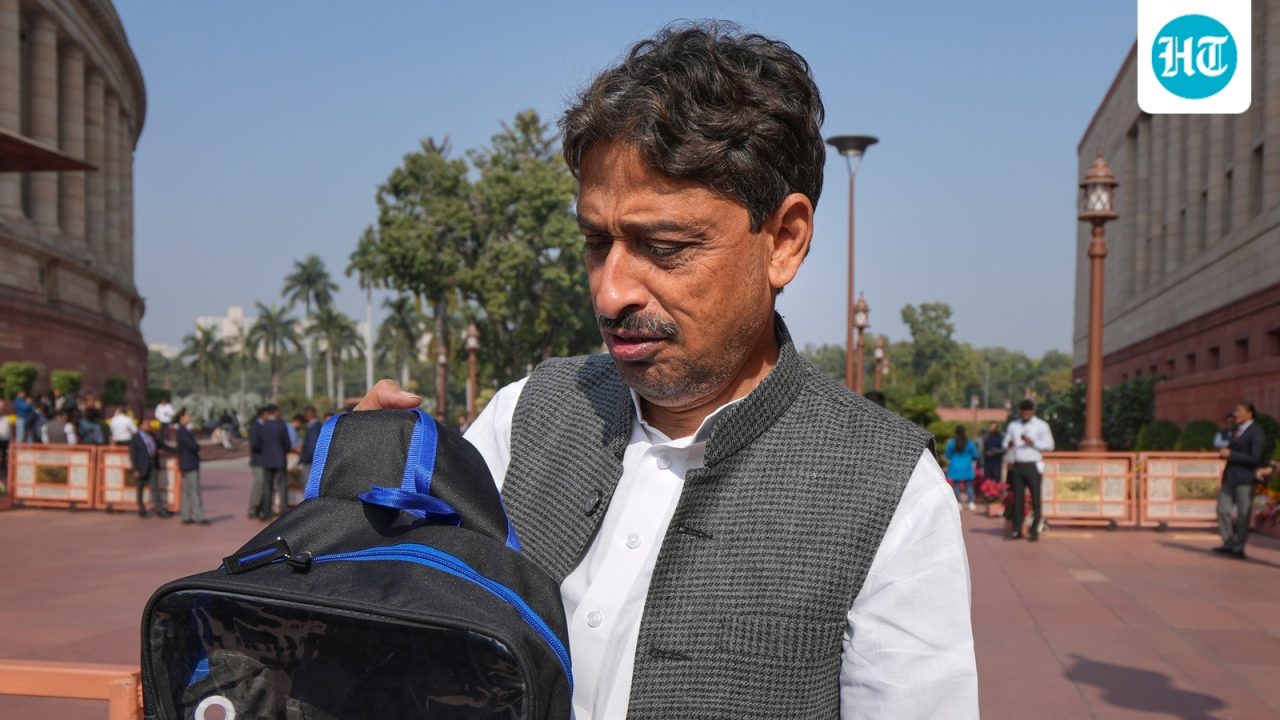

Congress Questions ECI’s Claim of Unanimity in Electoral Roll Revision Case
Indiadailyupdate.com – The Election Commission of India’s assertion that its three members unanimously approved decisions linked to the Special Intensive Revision of electoral rolls has drawn a sharp response from the Congress, which says agreement among commissioners does not by itself prove that legal procedures were observed.
Congress leader Imran Masood said the central concern was not whether the Chief Election Commissioner acted alone, but whether decisions connected with voter enrolment and deletions complied with the applicable rules. His remarks followed an affidavit submitted by the Election Commission before the Supreme Court.
“The Supreme Court should summon all the relevant records. Even if all three agreed, the core issue remains ‘Form 6’,”
Masood argued that unanimity cannot automatically make a decision lawful. He questioned whether collective approval would remove concerns if the process itself had been arbitrary or contrary to prescribed norms.
“The question is whether the decision was taken in accordance with the rules,”
He further raised the broader principle at stake, asking whether a decision should cease to be considered arbitrary simply because each of the three Election Commissioners supported it.
ECI Rejects Claims of Unilateral Action
In its filing before the Supreme Court, the Election Commission said every decision concerning the Special Intensive Revision, commonly referred to as SIR, had been taken with the consent of all three members. The submission rejected allegations that Chief Election Commissioner Gyanesh Kumar had acted independently or that the panel had breached the law governing its internal decision-making.
The affidavit is significant because the dispute concerns both the manner in which electoral-roll decisions were made and the safeguards associated with voter registration. Electoral rolls determine who is eligible to vote, making questions about additions, corrections and deletions especially sensitive in a democracy.
The Commission also denied that it had changed the statutory Form 6, the form used by citizens seeking to register as new voters. It maintained that the additional declaration sought during the SIR was issued as a separate document through its orders and did not alter the form prescribed under law.
Form 6 occupies an important place in the disagreement because it is tied to the process through which eligible voters apply for inclusion in the electoral register. The Congress has focused on whether the requirements introduced during the revision were consistent with the rules governing that process.
Congress Keeps Focus on Form 6 and Voter Deletions
Masood dismissed the suggestion that the Commission’s affidavit had resolved the Opposition’s objections. He said the controversy could not be reduced to a dispute over the identity or authority of an individual Election Commissioner.
“The question is about Form 6. The question is about the deletion of votes. How has the issue been resolved? The issue is not the Election Commissioner. The issue is vote theft.”
The Congress leader’s comments underline the party’s position that scrutiny should extend beyond the Commission’s internal voting process. For the party, the unanswered issue is whether people were removed from voter lists properly and whether the enrolment framework was applied fairly.
The Supreme Court’s consideration of the matter places the focus on records, procedures and the legal basis for the steps taken during the revision exercise. A claim of unanimous approval addresses one aspect of the challenge, but the court may still examine whether decisions were made within the limits of the relevant rules and statutory framework.
For voters, the debate has practical importance. Electoral rolls are the foundation of participation in elections, and any dispute involving registration forms or deletion of names can affect confidence in the process. Citizens who believe their names are missing or incorrectly recorded typically need clarity on the available verification and correction mechanisms.
Rahul Gandhi Calls for Delhi Rally
As the legal and political dispute continues, Congress leader Rahul Gandhi has called for a march and public rally in Delhi. The event, titled “Save the Vote – Save the Country,” is scheduled to take place at Ramlila Maidan on November 1.
In a post on X, Gandhi urged people to join the programme and alleged that votes were being taken away unfairly.
“Our votes are being stolen, and we will not tolerate this quietly under any circumstances,”
The planned mobilisation reflects the Congress’s effort to present the electoral-roll issue as a larger question of voting rights and democratic accountability. The party’s criticism, the Commission’s affidavit and the pending judicial scrutiny have made the SIR process a prominent point of political contention.
The immediate dispute now turns on the distinction between unanimous institutional approval and compliance with the procedures that govern voter registration. While the Election Commission has defended its process and denied modifying Form 6, the Congress continues to seek closer examination of the records and the treatment of voter names during the revision exercise.
Related Reading
Frequently Asked Questions
What is Unanimity doesn t mean rules were?
Unanimity doesn t mean rules were is the main topic of this guide. The article explains the context, practical details, and next steps readers should understand.
Why does Unanimity doesn t mean rules were matter?
Unanimity doesn t mean rules were matters because readers are looking for a useful answer, not just a short summary. Good content should match search intent and help them decide what to do next.