Indian Shooters Face Isolated Range Long Travel Time in Aichi
Indiadailyupdate.com – India’s shooting contingent has faced an isolated range long travel time and a series of logistical problems after arriving in Nagoya for the Aichi-Nagoya Games. Delays in airport transport, split hotel accommodation, small rooms, cold packed meals and lengthy journeys to training have made preparation difficult for the 30-member team.
The shooters are among India’s leading medal prospects at the Games, so a smooth training routine is especially important. Instead, athletes, coaches and support staff have had to manage travel and accommodation concerns soon after reaching Japan.
Airport wait adds to tiring journey
The Indian contingent arrived at Nagoya airport late on Wednesday night after travelling via Hong Kong, where the group had a seven-hour layover. The flight landed at 9pm, and security checks and weapon-clearance procedures were completed without major issues.
However, the team then waited for around two and a half hours before transport was arranged. The transport desk was unattended, there were no volunteers available, and buses were not initially ready for the Indian group.
“We had to wait for two-and-half hours to get a bus. It took us a lot of time to find someone to guide us with the transport,” a shooting team member said.
Organisers reportedly suggested taxis, but that was impractical for a group of about 35 people travelling with equipment and luggage. The response gave the impression that the size of the Indian contingent had not been clearly communicated.
Hotel arrangement leaves team divided
After leaving the airport, the team reached the Grand Tiara hotel, where it expected to stay. Members were then informed that much of the booking had been shifted to a nearby Toyoko Inn.
Only seven rooms were available at the Grand Tiara, while 33 rooms were assigned at the smaller hotel. The contingent completed check-in at around 4am, nearly seven hours after landing in Nagoya.
The larger Grand Tiara rooms were allocated to support staff and physiotherapists because they needed space for treatment tables and equipment. Coaches preferred the group to remain together, leading shooters and coaches to relocate to the smaller hotel.
“The rooms are very small—so small that you cannot open your luggage. Fortunately, many received single rooms, so it is manageable due to single occupancy.”
Although single occupancy has eased some concerns, the disrupted first night and divided accommodation have affected the team’s early routine. For athletes at a major multi-sport event, adequate rest, recovery space and dependable access to equipment are all important before competition.
Isolated range long travel time affects training
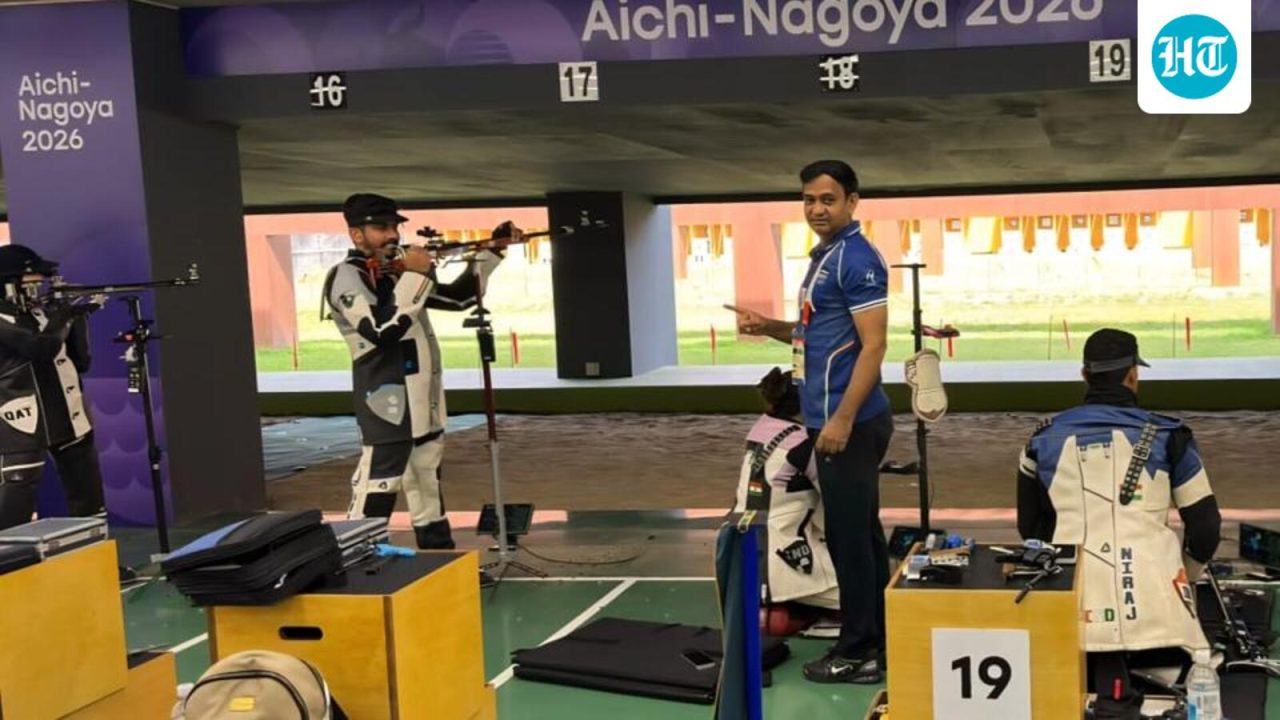
The isolated range long travel time has become the biggest daily challenge for the Indian shooters. The Aichi Shooting Range is about two and a half hours from the team hotel, making each training session a demanding day-long exercise.
On the first morning of practice, more than 100 people were waiting for buses that could carry only 50 passengers at a time. Several Indian team members missed the first bus and had to wait another hour before they could leave.
“There was a big line for the bus. Many of our colleagues were not able to board the bus because the capacity of the bus was 50 and the people were more than 100.”
Once the shooters reached the venue, they completed training but were provided cold packed lunches. The return trip caused further delays, with some members waiting around one and a half hours for transport and others nearly three hours.
“It took us two and a half hours to reach the range, which is a very long commute. It was very challenging and boring. We reached the range, finished our training and the food available was cold, packed lunches.”
The isolated range long travel time, limited bus frequency and accommodation issues have placed an unwanted burden on the squad before its events begin. The team will hope that transport arrangements improve quickly so shooters can concentrate fully on training and competition.
FAQ: Indian shooters’ Aichi travel problems
Why are Indian shooters facing long travel times in Aichi?
The Aichi Shooting Range is about two and a half hours from the team’s hotel, and limited bus capacity has added further waiting time before and after training.
What accommodation issue did the Indian contingent face?
The group expected to stay at the Grand Tiara hotel, but most rooms were shifted to the nearby Toyoko Inn. Only seven rooms were available at the main hotel, while 33 rooms were assigned at the smaller property.
What food was available at the shooting range?
According to a team member, shooters were provided cold packed lunches after completing training at the range.