
Portadown Parade Dispute Deepens as Standoff Continues Into the Night
Indiadailyupdate.com – A confrontation over an Orange Order march in Portadown continued into Sunday night after a last-minute court decision allowed the procession to proceed along the disputed Garvaghy Road route.
Political leaders appealed for restraint as police prevented marchers from moving forward and hundreds of local residents gathered in opposition. The episode has become one of Northern Ireland’s most serious public-order tensions in recent years, reviving memories of the long-running disputes surrounding parades through predominantly Catholic neighbourhoods.
Court Decision Reopens Long-Running Dispute
The immediate crisis followed an overnight ruling by the Belfast Court of Appeal. A High Court judge had temporarily stopped the planned march on Saturday, expressing concern that the dispute could spread beyond Portadown and create wider unrest across Northern Ireland.
Shortly before midnight, however, a three-judge appeal panel reversed that injunction. The decision cleared the way for a tightly limited Orange Order procession that had been authorised by the Parades Commission.
The commission had permitted 35 Orangemen to walk silently along Garvaghy Road from 8:00 am on Sunday. No marching bands or supporters were included in the approval, conditions intended to limit the potential for confrontation along a route that has remained deeply contentious for decades.
Despite the ruling, the march had not been completed by nightfall. At about 6:00 pm, a group of Orangemen left the church and headed downhill, only to be stopped by a police line that would not allow them to continue.
Heavy Security Presence in Portadown
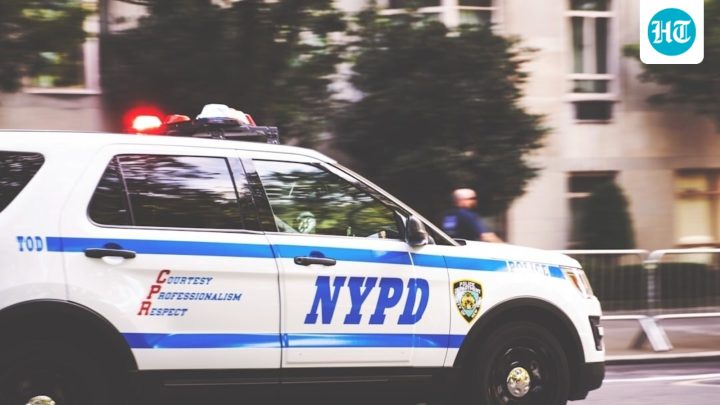
Police deployed heavily in the area, around 25 miles southwest of Belfast. Armoured vehicles were visible on the ground while a helicopter circled overhead as officers sought to contain the opposing groups and prevent violence.
Residents opposed to the parade remained near the route, arguing that the event was unwelcome in their community. The dispute is particularly sensitive because Garvaghy Road passes through a Catholic area, while the Orange Order is identified with Protestant and pro-UK unionist traditions.
Prime Minister Andy Burnham urged all parties to avoid escalation, saying Northern Ireland should not lose the progress made since the peace process.
“Big gains” had been made in Northern Ireland “and we don’t want to see things go backwards.”
Chris Bryant, the Northern Ireland minister, travelled from the Labour Party conference in Liverpool in an effort to help defuse the situation. He said he wanted direct discussions with political and community representatives.
“Face to face” with political leaders and community leaders “to see if we can get to a settled position.”
Sharp Political Divide Over the March
Michelle O’Neill, Northern Ireland’s First Minister and a Sinn Fein representative, criticised the late court ruling and backed the residents opposing the procession.
“The right of the Garvaghy Road residents to protest against this unwanted sectarian march.”
Sinn Fein President Mary Lou McDonald joined counter-protesters and said the community was asserting its right to live without sectarian intimidation.
“Residents and community have come out to defend their right to live free from sectarian harassment.”
McDonald pointed to the gains made since the 1998 Good Friday Agreement, which largely brought an end to the conflict known as the Troubles. She said the change had been profound for people across Northern Ireland.
“There has been lots of progress … it has been transformational. People’s lives have been changed fundamentally.”
Unionist leaders took a sharply different position. Democratic Unionist Party leader Gavin Robinson called for a united response against O’Neill, accusing her of disregarding the court’s decision. He praised the conduct of the Portadown Orangemen during the impasse.
“Our party is maintaining the dignity of the Portadown Orangemen as they have shown determination and patience so will we.”
Carla Lockhart, the local DUP member of parliament, described the appeal ruling as “seismic” and argued that the restricted format of the march should not cause concern.
“Thirty-five men walking down a road silently with no bands in an orderly fashion; there is nothing to fear.”
Why the Route Carries Such Weight
The Orange Order is a pro-British organisation named after William of Orange, the Protestant Dutch ruler who took the thrones of England, Scotland and Ireland from the Catholic King James II in 1689. Its parades have long held cultural and political significance for many unionists.
For many nationalist and Catholic residents, however, processions through areas where they form the local majority have been associated with sectarian division and intimidation. The disagreement in Portadown reflects that broader clash of identity, history and community consent.
The Parades Commission was created in 1998, the same year as the Good Friday Agreement. It was established to regulate contentious processions during a period when parade-related disputes could quickly become flashpoints. That year, it prevented the Orange Order from completing the Garvaghy Road route, and later applications to use the route have repeatedly been rejected.
Sunday’s events therefore carry significance beyond the limited number of marchers involved. The standoff tests the ability of political institutions, courts, police and local representatives to manage disputes that remain emotionally charged despite the decades of progress since the end of the Troubles.
As negotiations continued, the central challenge remained finding a path that respected legal decisions, protected public safety and acknowledged the concerns of a community that has resisted the march for years.
Related Reading
Frequently Asked Questions
What is Tense standoff over flashpoint N Ireland?
Tense standoff over flashpoint N Ireland is the main topic of this guide. The article explains the context, practical details, and next steps readers should understand.
Why does Tense standoff over flashpoint N Ireland matter?
Tense standoff over flashpoint N Ireland matters because readers are looking for a useful answer, not just a short summary. Good content should match search intent and help them decide what to do next.