Monsoon to take a break? These states to face dry spell after intense rain
Indiadailyupdate.com – India’s climate is set to undergo a significant change, with several regions anticipating a prolonged dry phase following a period of heavy monsoon rains. The shift marks a temporary pause in the seasonal downpours, which have so far dominated the weather landscape. According to the India Meteorological Department (IMD), the nation has experienced nine consecutive days of above-average rainfall, disrupting daily life in key urban centers.
Regional Impacts of the Monsoon Surge
Delhi, for instance, recorded over 100 mm of rain in a single day, leading to widespread waterlogging, traffic congestion, and the uprooting of trees. In Mumbai, despite its late arrival, the monsoon triggered flash floods and tree-related incidents, resulting in fatalities. While the city’s local trains are operational and low-lying waters have begun to recede, the Mumbai-Pune corridor remains affected by rail disruptions.
“India has just seen nine straight days of above-average rainfall,” stated the IMD.
Heavy downpours on July 6 caused landslides between Karjat and Lonavala stations, forcing Central Railways to cancel 30 long-distance and intercity services. The dry winds from the west, expected to persist for 5-7 days, will likely intensify heat in areas such as Delhi, Haryana, Punjab, Rajasthan, Gujarat, Maharashtra, Madhya Pradesh, Chhattisgarh, and Telangana.
Monsoon Shift and Weather Patterns
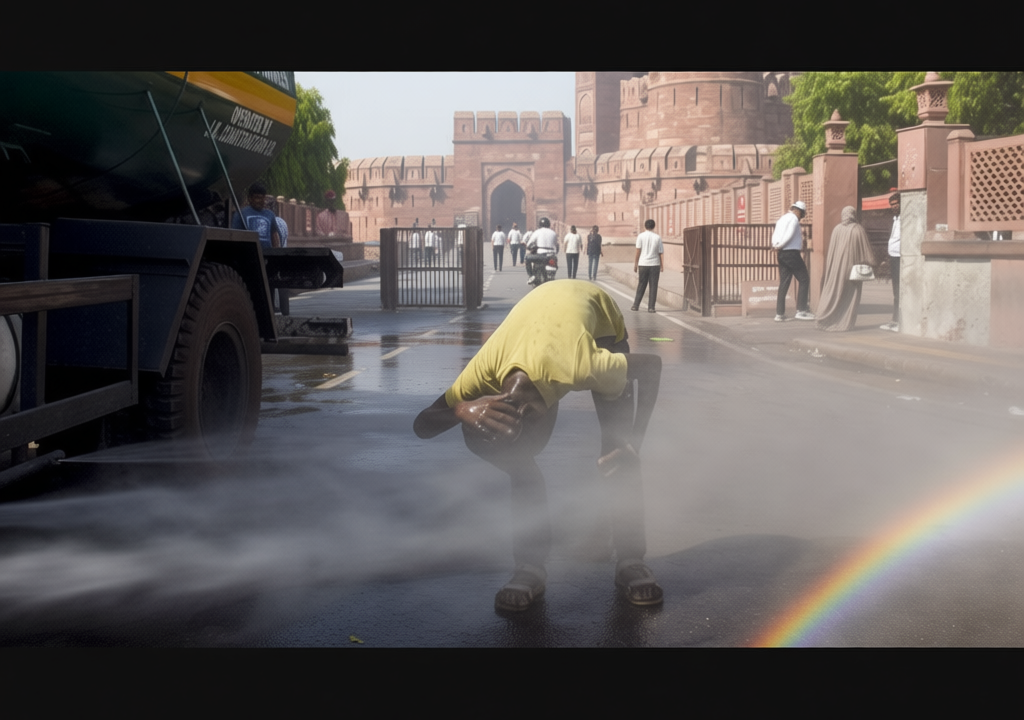
Experts predict that the monsoon system is now steering toward the Himalayan foothills, allowing dry air to infiltrate central regions. This transition will bring mostly sunny skies and sweltering temperatures, with feels-like conditions reaching 45-50 degrees Celsius due to the combination of heat and humidity.
“As the belt shifts, dry winds from the west will move deep into the country,” noted weather specialists.
Meanwhile, states like Uttarakhand, Himachal Pradesh, Bihar, West Bengal, Sikkim, and the Northeast will continue to receive heavy to very heavy rains. While short breaks are typical during monsoon season, the early onset in mid-July has raised concerns for kharif crops, which require consistent moisture to thrive.