Ajith Kumar Dilemma: Delay in Rakshapravarthanam Case Hits Political Cost
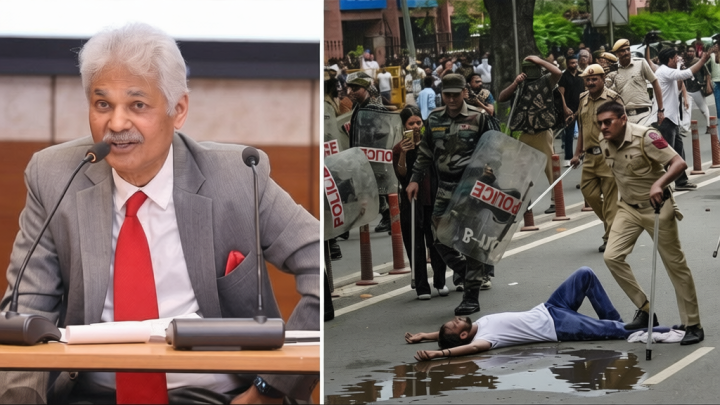
Indiadailyupdate.com – The Ajith Kumar Dilemma has taken center stage as the newly formed government faces mounting pressure to resolve the Rakshapravarthanam case promptly. A Special Investigation Team (SIT) was established to investigate claims of police violence during the 2023 Nava Kerala Sadas event in Alappuzha, organized by former Chief Minister Pinarayi Vijayan. The SIT finalized its findings on June 23, pointing to Ajith Kumar, the ADGP, for allegedly obstructing the inquiry into the assault. However, the report remains pending, with Kerala Police DGP Ravada Chandrasekhar returning it for further review, sparking concerns about delays in addressing political accountability.
The Weight of Delay in High-Profile Investigations
The Ajith Kumar Dilemma underscores the tension between administrative procedures and political urgency. While the SIT’s report is technically sound, its delayed submission has drawn criticism from opposition parties and civil society groups. The case, which initially emerged as a dispute over police conduct, now symbolizes a broader struggle for transparency within the Kerala administration. Critics argue that the inaction risks undermining public trust, particularly as the UDF, which promised accountability during its campaign, now appears to prioritize procedural delays over swift justice.
Rakshapravarthanam: A Defended Narrative or a Shielded Figure?
The term “rakshapravarthanam” has become central to the Ajith Kumar Dilemma, with Vijayan’s defense of the incident as a life-saving act drawing both support and skepticism. The SIT’s findings challenge this narrative, highlighting potential missteps in the police response. The delayed action has allowed the phrase to gain traction as a political shield, with some accusing the UDF of using it to deflect criticism. This has created a stalemate where the truth of the incident is pitted against the political cost of immediate action.
Controversies and the Politics of Promotion
Historically, Ajith Kumar has been associated with controversies under the LDF regime, raising questions about his loyalty and conduct. The current Ajith Kumar Dilemma intensifies as the delay in finalizing the SIT report coincides with his eligibility for promotion to DGP. Critics suggest that the prolonged review may be a strategic move to fast-track his ascent before conclusive evidence emerges. This perceived double standard—punishing past allegations while overlooking present ones—has fueled accusations of political immunity within the police force.
Grassroots Movements and Internal Division
Discontent among younger Congress members has grown, with the Ajith Kumar Dilemma becoming a rallying point for calls for reform. As the SIT report lingers, activists and party members argue that the delay reflects a lack of commitment to justice. This sentiment has deepened internal divisions, with senior leaders like K.C. Venugopal urging prompt action to restore credibility. The prolonged ambiguity also highlights the challenges of maintaining accountability in a system where political interests often overshadow procedural rigor.
Legal Justifications and Public Skepticism
Government officials have cited legal complexities as a justification for the delay, emphasizing the need for thorough scrutiny of the SIT report. However, this explanation has not quelled public skepticism, especially as the Ajith Kumar Dilemma continues to dominate media discourse. The potential promotion of Ajith Kumar to DGP has raised fears that the delay is not merely procedural but a calculated effort to secure his position before any final judgment is made. This has led to accusations that the administration is prioritizing political stability over investigative transparency.
The Path Forward: Balancing Accountability and Politics
As the Ajith Kumar Dilemma reaches a critical juncture, the path forward depends on how the administration handles the pending SIT report. The case has become a litmus test for the UDF’s commitment to reform, with delays risking a perception of complacency. The decision to return the report for review has added layers of complexity, forcing stakeholders to weigh the importance of procedural diligence against the political consequences of prolonged inaction. Ultimately, the resolution of this dilemma will define the government’s approach to accountability in its early days.