The Internal Leadership Struggle in Punjab Congress
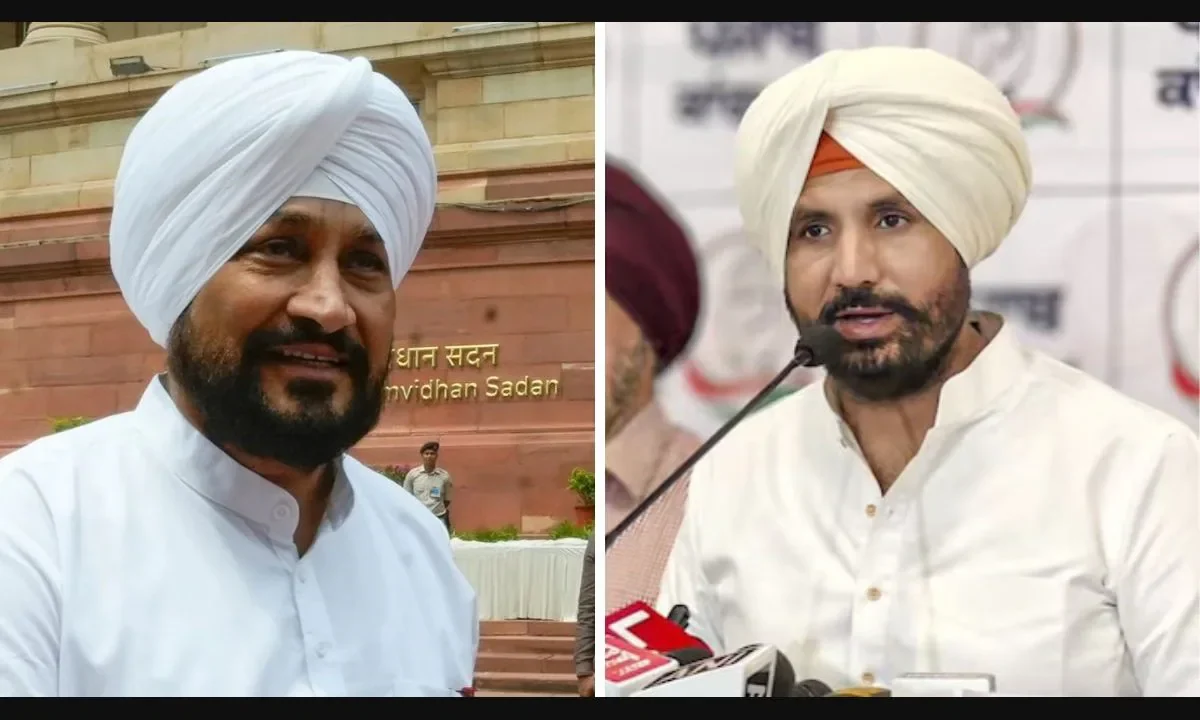
Indiadailyupdate.com – Why Congress kept Warring after almost announcing his replacement has become a central issue in the ongoing political dynamics of Punjab. The state Congress, under the leadership of Bhupesh Baghel, initially signaled a shift in power, with former chief minister Charanjit Singh Channi’s faction pushing for the removal of state president Amarinder Singh Raja Warring. This move was seen as a potential reshuffling to align the party with a more progressive agenda, particularly in the wake of recent electoral challenges. However, the decision to retain Warring has sparked renewed debate, highlighting the complex interplay between regional politics and national party priorities. The confusion began when the party leadership hinted at a leadership change, only to backtrack, leaving many members and analysts questioning the underlying motivations.
Key Players and the Pressure to Replace Warring
The push for Warring’s replacement was spearheaded by Channi’s faction, which argued that his leadership had stagnated the party’s progress in Punjab. A party insider confirmed that early discussions suggested Vijay Inder Singla, a Hindu representative, was set to take over, promising a more inclusive and modern approach. Yet, as the announcement neared, Channi’s group intensified their campaign, citing the need for a Dalit-centric leadership to counter the growing influence of other communities. This pressure, according to sources, nearly forced the party to abandon its original plan. However, Channi’s last-minute change of heart—reaffirming his claim to the position—led to the decision to keep Warring, much to the frustration of his rivals.
“The initial decision to replace Warring was based on the belief that it would reinvigorate the party’s grassroots support and address regional discontent,” said a senior Congress official. “But Channi’s intervention made it clear that leadership is not just about policy but also about identity and power.”
Strategic Considerations Behind the Decision to Keep Warring
Baghel’s leadership team, recognizing the potential fallout of a sudden shift, opted to maintain Warring’s position to prevent further fragmentation within the party. This strategic move aimed to stabilize the Congress ahead of the upcoming state elections, where unity is critical to securing a strong mandate. Political analysts noted that retaining Warring would also signal to the public that the party remains committed to its traditional base, particularly in rural areas where his tenure has been deeply rooted. Meanwhile, Channi’s faction, though disappointed, remains a formidable force, leveraging their influence to ensure that future decisions reflect their priorities.
“Congress is a very big party and it cannot change a decision already taken just because of pressure from one regional leader,” a political analyst stated. “It would send the wrong message and encourage other regional leaders to adopt similar tactics whenever a decision goes against them. Secondly, it would make the high command appear weak and make Channi too powerful in the state.”
The decision also underscores the delicate balance between regional aspirations and national party goals. While Channi’s faction emphasized the need for a Dalit face to bolster the party’s representation, Baghel and the national leadership prioritized stability and continuity. This compromise has led to a nuanced leadership structure, where Warring remains in place but Channi continues to wield significant influence. The situation has raised questions about the future of Punjab Congress, with many wondering whether this arrangement will lead to long-term harmony or ongoing rivalry.
Regional Observers and the Path Forward
To assess the situation, the Congress dispatched three regional observers led by Ajay Maken to evaluate the leadership dynamics in Punjab. Their findings, shared with the high command, indicated that a leadership change could destabilize the party’s electoral prospects, particularly in a state where traditional alliances are crucial. The observers also highlighted the importance of maintaining a cohesive leadership structure to avoid alienating key voter segments. Their report suggested that while Warring’s tenure had its challenges, his presence provided a sense of consistency that the party could not afford during the campaign.
“Punjab is very important for the Congress and that is why the party has held more than 10 meetings on the state over the past month,” a source noted. “The leadership is carefully weighing all options to ensure that the party remains strong and united.”
As the party moves forward, the focus will be on managing the tensions between Channi’s faction and the central leadership. The decision to keep Warring has set the stage for a more fluid leadership model, where regional representatives play a pivotal role in shaping national policies. This development may also influence the party’s strategy in future elections, with a renewed emphasis on inclusivity and compromise. For now, the Punjab Congress remains a microcosm of the broader challenges facing the Indian National Congress in maintaining its relevance in a rapidly changing political landscape.