Why Maharashtra Schools Can No Longer Ignore Marathi Language: Is Your Child’s School Teaching It?
Policy Implementation and Enforcement
Indiadailyupdate.com – Is your child’s school still teaching Marathi? Maharashtra School Education Minister Dada Bhuse has unveiled a new mandate requiring Marathi instruction and assessments in all government and private schools across the state. Effective from April 17, 2026, the Maharashtra Compulsory Teaching and Learning of Marathi Language in Schools Act, 2020, now carries stricter enforcement mechanisms, with schools facing penalties for non-compliance. This move underscores the state government’s commitment to ensuring Marathi is a central part of the curriculum, from Class I to X, and is not relegated to optional status.
“If a school fails to implement Marathi language requirements, it will first be issued a notice to rectify the issue. Repeated violations may lead to fines of up to ₹1 lakh, and the most serious cases could result in the loss of the school’s recognition,” Bhuse emphasized.
Under the revised policy, every school must employ qualified Marathi teachers and integrate the language into daily lessons. The minister clarified that assessments will be conducted in all grades, ensuring students are regularly evaluated on their proficiency. This comes after a legislative debate where concerns were raised about the policy’s impact on other subjects and its practicality in diverse classrooms. Bhuse addressed these by asserting that Marathi is a foundational language, crucial for preserving cultural identity and academic standards.
Opposition Questions and Clarifications
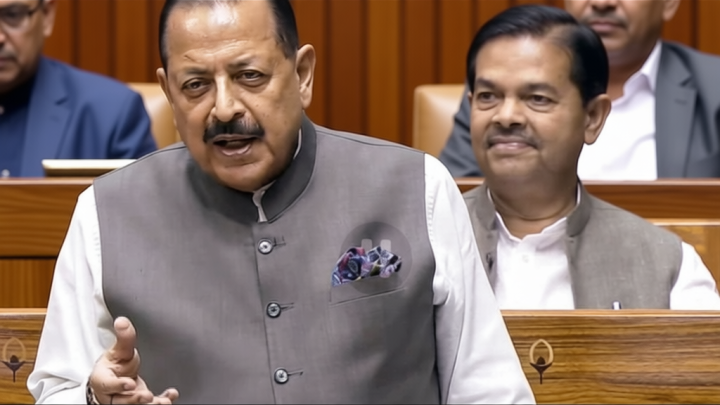
During the recent legislative assembly session, opposition members questioned the urgency of the new regulations. BJP representative Atul Bhatkalkar highlighted concerns about whether Marathi would remain a core subject or be reduced to a peripheral option. He also sought clarity on the enforcement timeline, asking if exams would be held for all classes from one to ten. Bhuse confirmed that Marathi will continue to be a mandatory subject, with assessments in every grade to measure progress.
“The government resolution of 2026 ensures that schools failing to teach Marathi will face swift action, including penalties and recognition cancellation,” Bhuse stated.
Additional scrutiny has been placed on the policy’s implementation, with the minister noting that the withdrawal of recognition for non-compliant institutions is a new feature of the 2026 resolution. This escalates the consequences for schools that neglect Marathi education, emphasizing the state’s determination to enforce linguistic rights. The government has also announced a special inspection campaign to monitor adherence, with officials held accountable for any lapses in compliance.
Implementation Timeline and Previous Efforts
The mandate has been in place since 2020, but the recent 2026 resolution marks a significant shift in enforcement. Critics argue the policy was delayed for nearly five years after its initial adoption, raising questions about its practicality. However, the government maintains that this period allowed for curriculum development and teacher training programs to be fully established. Bhuse mentioned that schools were given time to adapt, but the stricter measures now ensure consistency across all educational institutions.
“The 2026 resolution builds on the 2020 Act by introducing immediate accountability for schools that do not prioritize Marathi instruction,” Bhuse explained.
Despite the new enforcement, some educators and parents worry about the potential strain on school resources. With limited time and staff, smaller institutions may struggle to meet the requirements. The minister acknowledged these challenges but stressed that the policy is essential for preserving Marathi as the primary medium of instruction. Schools are now expected to allocate dedicated time for the language, even if it means adjusting other subjects to accommodate it.
Public Reaction and Community Impact
The policy has sparked mixed reactions. While many Marathi-speaking parents support the initiative, others in non-Marathi regions express concern about the feasibility of teaching the language to students who may not be native speakers. Critics argue that the focus on Marathi might overshadow other languages, particularly in multilingual states like Maharashtra. However, proponents of the policy believe it is vital for maintaining cultural cohesion and ensuring equal linguistic opportunities for all students.
“Is your child’s school prepared to balance Marathi with other subjects? This is a critical question for educators and administrators,” said a local parent, Sudhir Mane, who attended a recent policy briefing.
Meanwhile, some schools have reported challenges in finding qualified Marathi teachers, particularly in urban areas where English is widely used. The government has initiated recruitment drives and training programs to address this gap, but the process is ongoing. As the policy takes effect, its long-term impact on student learning and teacher workload will be closely watched. Schools that fail to comply risk not only fines but also a loss of recognition, which could affect their ability to operate.
Long-Term Goals and Educational Reforms
Advocates for the policy see it as a step toward revitalizing Marathi in education. They argue that the language’s prominence in schools will ensure its survival and foster a generation of fluent speakers. Bhuse outlined the state’s long-term vision, which includes expanding Marathi instruction to higher classes and incorporating it into professional and academic fields. This aligns with broader efforts to make Maharashtra a leader in linguistic preservation, especially as English continues to dominate higher education and employment opportunities.
“Is your child’s school part of this transformative effort? The answer will shape the future of language education in Maharashtra,” said education expert Dr. Priya Deshmukh.
The new regulations also aim to standardize Marathi education across the state, ensuring all students receive the same linguistic foundation. This could bridge the gap between urban and rural areas, where Marathi proficiency varies widely. While the policy is still in its early stages, its success will depend on the collaboration between schools, educators, and the government. As the year progresses, the effectiveness of these measures will become clearer, with implications for the state’s educational landscape and cultural identity.