Muharram Poison Plot: A Man’s Vengeance and Two Women’s Courage
Indiadailyupdate.com – During a Muharram procession in Mumbai’s Byculla neighborhood, a man’s plan to poison 15,000 attendees was foiled by two women who acted swiftly. Fayaz Premji, the mastermind behind the Muharram poison plot, admitted his motives to authorities, citing personal grievances and a shift in his religious beliefs. His anger, fueled by a perceived lack of support within the Khoja Shia community, led him to target the annual mourning ceremony, which is central to Shia Islamic traditions. The incident, which occurred on June 26, 2026, highlights the tension between reformist ideologies and traditional practices in the community.
Origins of the Muharram Poison Plot
Fayaz Premji’s journey to the Muharram poison plot began after his defeat in community elections in 2015. The Indian Express reported that Premji, once a respected member of the Pune Khoja Shia Ithna-Asheri Jamaat (KSIJ), grew disillusioned with the group’s conservative stance. He joined a smaller faction advocating for a more liberal interpretation of Islam, which led to his isolation and growing resentment. His ex-Muslim identity, which he promoted through podcasts, became a symbol of his anti-establishment stance. Over time, this frustration evolved into a plan to disrupt the Muharram procession, a symbolic act of defiance against what he saw as religious rigidity.
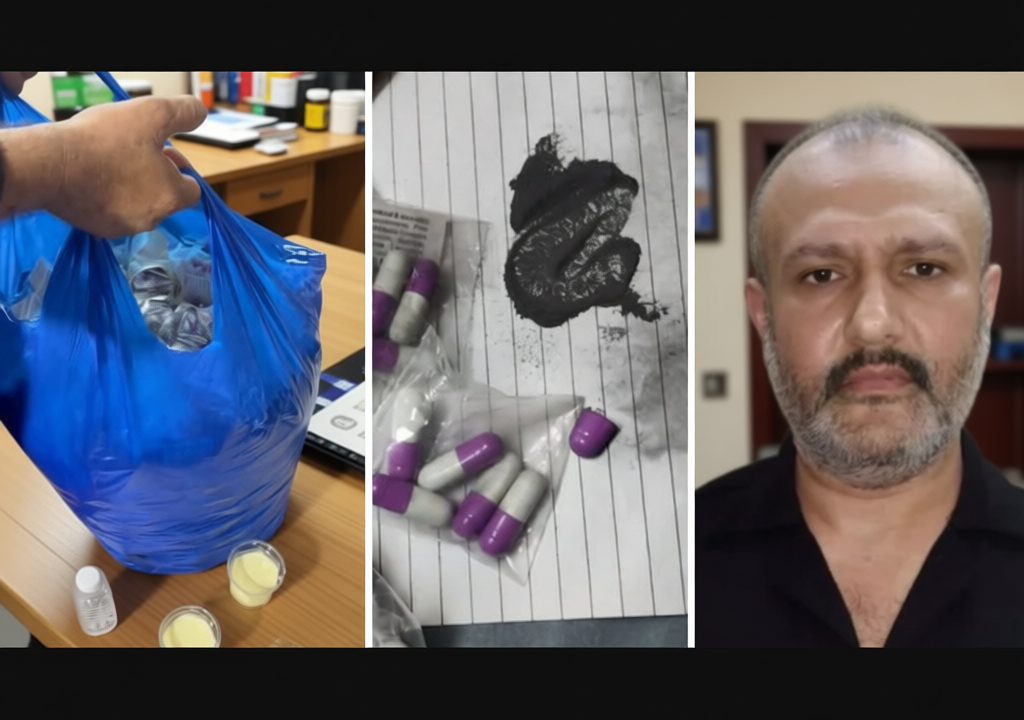
By 2015-16, Premji had severed ties with the KSIJ, accusing the organization of stifling progressive ideas. His business in Pune was reportedly targeted with vandalism, and he faced social ostracization. These pressures, combined with his ideological shift, culminated in the Muharram poison plot. The scheme involved distributing capsules laced with zinc phosphate, a potent toxin, during the event. Authorities believe Premji had been preparing for months, using his role in the procession to carry out his plan.
The Foiling of the Poisoning Scheme
On the day of the Muharram procession, the plot was uncovered by Ihlam Hamidi and Rukhsar Syed, two volunteers who noticed Premji’s suspicious behavior. Hamidi, a coffee trader, and Syed, a cosmetics saleswoman, were stationed near the Mazgaon mosque when they observed Premji handing out capsules to attendees. Syed recounted that the dark lighting made it difficult to read the labels, but the irregular distribution of pills raised red flags. The women’s quick thinking and vigilance prevented a potential disaster during the Muharram event.
When Premji attempted to leave the scene, Hamidi and Syed intercepted him, seizing his blue bag of capsules. They restrained him by his collar and alerted the police, ensuring others were not harmed. The duo’s actions not only saved lives but also led to the discovery of over 40 kilograms of zinc phosphate, enough to fill 14,900 capsules. Investigators found that Premji’s suppliers were unaware of his intent, believing the transaction was a regular business deal. The Muharram poison plot now serves as a case study in the power of grassroots vigilance and the importance of community awareness.
Community Response and Lessons Learned
The Pune Khoja Shia Ithna-Asheri Jamaat (KSIJ) condemned Premji’s actions, calling them a betrayal of the community. They stated he had been barred from the organization for spreading ideas that undermined its values. The incident sparked a renewed focus on security during religious gatherings, with local leaders urging members to remain vigilant. The Muharram poison plot also highlighted the growing divide within the community between traditionalists and reformists, a tension that Premji sought to exploit.
In the aftermath, the Mumbai police launched a broader investigation into Premji’s financial networks and connections. They uncovered how he had procured the toxic powder, emphasizing the need for stricter monitoring of individuals with access to communal events. The two women who stopped the Muharram poison plot became local heroes, their actions praised for preventing a large-scale tragedy. Their story underscores the importance of everyday citizens in safeguarding public safety, especially during culturally significant events.
Legacy of the Muharram Poison Plot
As the Muharram poison plot unfolded, it brought attention to the broader context of religious symbolism and communal unity. The event, which commemorates the martyrdom of Imam Hussein, is not just a religious observance but a cultural gathering that fosters solidarity among Shia Muslims. Premji’s attack aimed to disrupt this unity, targeting the very essence of the Muharram celebration. The swift intervention by Hamidi and Syed, however, preserved the event’s integrity and showcased the resilience of the community.
Authorities have since intensified security measures at Muharram processions, ensuring that similar threats are minimized. The incident has also sparked discussions on the balance between religious tradition and modern reformist movements. As the Muharram poison plot becomes a part of Mumbai’s recent history, it serves as a reminder of how personal grievances can escalate into acts of violence, and how quick thinking can turn the tide in critical moments.