Centre asks Delhi Gymkhana to show cause why it shouldn’t be evicted
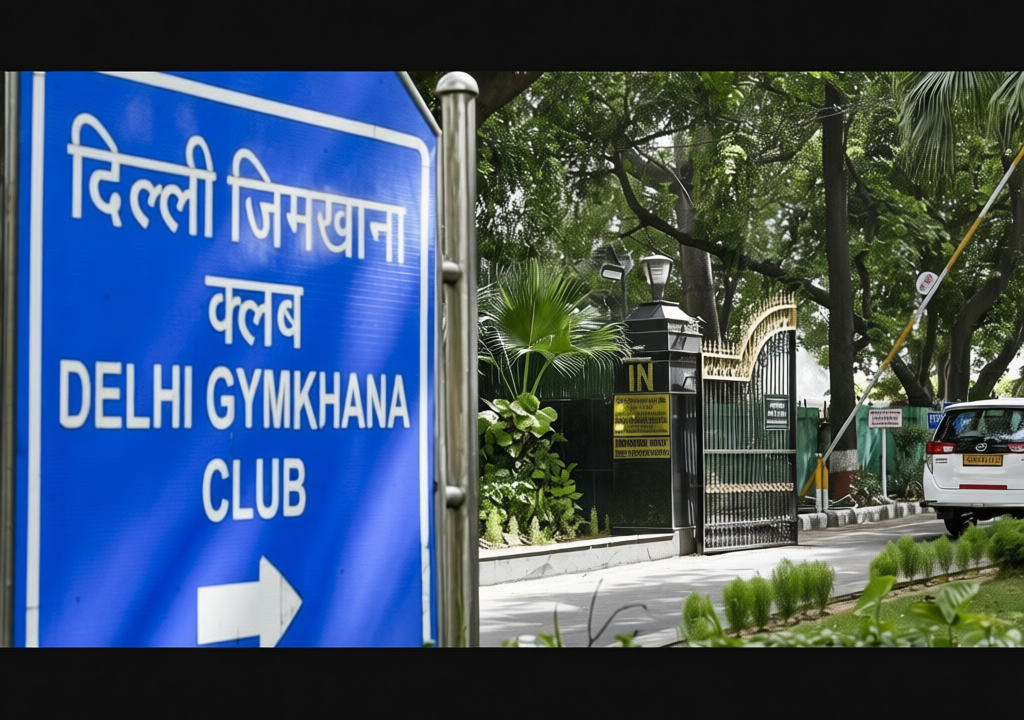
Indiadailyupdate.com – The Indian government has formally requested the Delhi Gymkhana club to demonstrate why it should not be evicted from its long-held property on Safdarjung Road in New Delhi. This move, under the Public Premises (Eviction of Unauthorised Occupants) Act, 1971, follows the club’s lease expiration on May 22, 2026, which the Centre claims has rendered its occupation of the land unauthorized. The notice, issued by the Land and Development Office, highlights the need to reclaim the 27.3-acre plot for defense infrastructure projects, positioning the club’s presence as a barrier to national priorities.
The Legal Framework Behind the Eviction Notice
According to the notice, the eviction is grounded in Clause 4 of the 1928 Perpetual Lease Deed, which stipulates that the leaseholder must vacate the premises upon its expiration. The Centre asserts that the Delhi Gymkhana, originally established as the Imperial Gymkhana Club, has failed to comply with this clause. The legal document also mandates that the club’s representatives attend a hearing on July 7 at the Land and Development Office, where they must justify their continued occupation under the Public Premises Act. This hearing marks a critical step in the government’s effort to enforce its claim over the land.
The Public Premises Act, a key piece of legislation in this case, empowers the government to take possession of properties that are no longer leased or occupied in accordance with the law. Section 4(1) of the Act outlines the process for initiating eviction proceedings, while Section 4(2)(b)(ii) provides grounds for declaring occupancy unauthorized. By invoking these provisions, the Centre is aiming to formalize the eviction and repurpose the land for defense and public security initiatives. The legal battle, therefore, is not just about reclaiming a piece of property but also about asserting control over land deemed essential for national objectives.
Delhi Gymkhana’s Historical Significance and Public Reaction
Established in 1828, the Delhi Gymkhana Club has been a cornerstone of sports and cultural activities in the National Capital for over a century. Its premises, located on Safdarjung Road, have housed facilities for athletics, tennis, and other sports, serving both elite and amateur athletes. The club’s history is intertwined with the evolution of New Delhi itself, and its eviction has sparked debates about the balance between public interest and private heritage. Members and supporters argue that the land, while leased for a long time, is still under the government’s ownership, and its use by the club has been lawful until the lease expiration.
Public sentiment has been divided, with some advocating for the club’s preservation as a cultural landmark and others supporting the government’s decision to prioritize defense needs. The Delhi High Court was recently approached by the club’s members, who sought legal intervention to delay the eviction. This indicates a growing concern among stakeholders about the potential loss of a historic institution and the broader implications for land use policies in the city. The Centre’s request to show cause is, therefore, not just a procedural step but a strategic move to galvanize public support for its eviction plan.
“Despite lawful lease termination and being required to vacate, the respondent failed to relinquish possession…Valuable government land in the National Capital cannot remain under unauthorized occupation against governmental decisions and public interest,” the notice stated. This assertion underscores the government’s stance that the club’s continued presence on the land, now beyond its lease term, is a deviation from the agreed terms. The notice emphasizes that the land is part of a larger public development strategy, with adjacent properties also being considered for similar uses.
Implications of the Eviction for Future Development
The eviction of Delhi Gymkhana could set a precedent for future land acquisitions in New Delhi, particularly in areas earmarked for infrastructure projects. The Centre’s argument hinges on the idea that government-owned land should be used efficiently to serve national and civic purposes. By reclaiming the 27.3-acre plot, the government aims to bolster defense capabilities, enhance public security, and contribute to the city’s developmental goals. The notice also highlights the urgency of the situation, with the land’s repurposing seen as critical to ongoing institutional needs.
Delhi Gymkhana’s eviction is part of a broader effort by the Centre to streamline the use of public lands. This has implications for other organizations and individuals occupying government properties, as it could lead to similar eviction notices in the future. The club’s members, however, are contesting the move, citing the long-standing relationship between the club and the government. They argue that the lease was a historical agreement and that the club’s operations have always been in alignment with public interests. The legal proceedings, therefore, are not just about the club’s fate but about the broader interpretation of land use and ownership in the city.