How India’s National Education Policy 2020 is Shaping the Future of Learning
Indiadailyupdate.com – India’s education system faces the monumental task of nurturing a population larger than many nations combined. With over 250 million learners, 10 million educators, and 1.47 million institutions, the country boasts the globe’s most extensive educational framework. Yet, as the measure of success shifts from mere enrollment to preparing students for a dynamic, technology-driven world, the reforms initiated under the National Education Policy (NEP) 2020 offer critical guidance for addressing learning disparities and fostering future-ready skills.
Reimagining Learning for a New Era
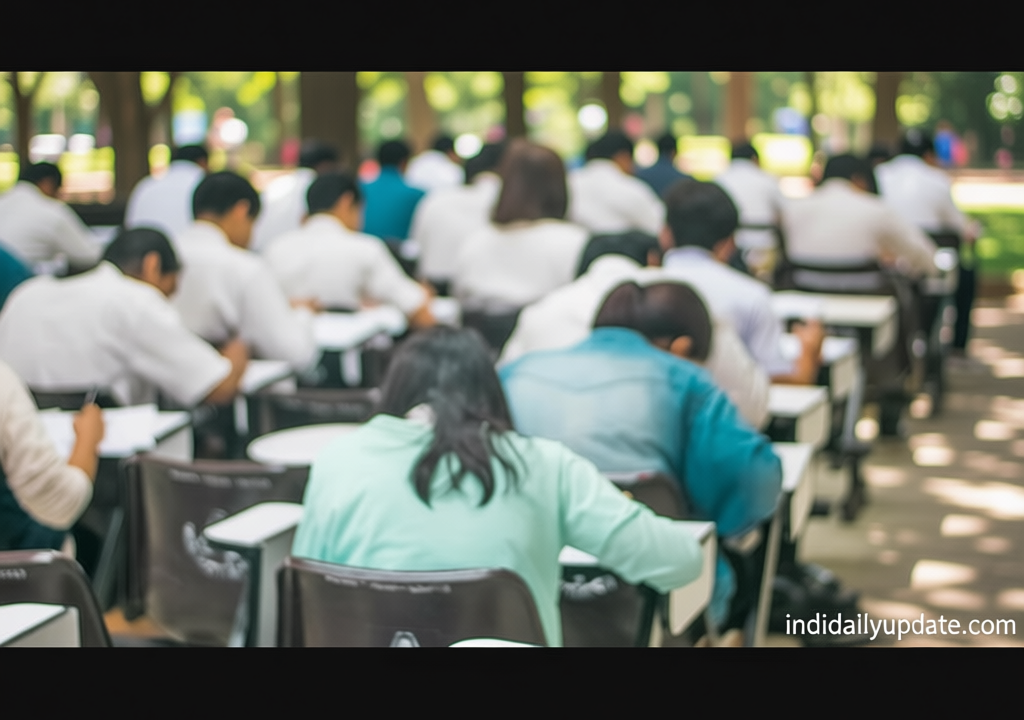
For years, India’s education model prioritized access—ensuring every child entered a classroom, irrespective of their location or background. However, the conversation has evolved, now centering on transforming education from a rigid structure to a flexible, student-centered process. The NEP 2020 serves as the cornerstone of this shift, redefining learning to encompass inclusivity for 1.5 billion students within a single system. This policy champions a departure from conventional methods by emphasizing critical thinking, creativity, problem-solving, and experiential learning.
“The success of education is no longer measured by the number of enrolments, but by how well students are prepared for a rapidly changing world.”
Holistic Development as a Core Focus
India’s educational reforms increasingly prioritize the holistic development of students. While academic performance remains essential, schools are now embedding elements like physical education, arts, leadership training, entrepreneurship, and emotional well-being into the curriculum. This approach aims to cultivate individuals who are adaptable, resilient, and capable of contributing meaningfully to society in an unpredictable future.
Leveraging Language for Inclusion
India’s linguistic diversity, spanning thousands of dialects, is a defining feature of its cultural identity. Research underscores that children grasp concepts more effectively when taught in their mother tongue. As such, the NEP 2020 advocates for early education rooted in local languages, ensuring accessibility and cultural relevance. This strategy not only supports comprehension but also reinforces the value of multilingualism in fostering global interconnectedness.
Technology as a Catalyst for Equity
Digital tools and platforms are reshaping the educational landscape by bridging gaps in access and quality across India’s vast geography. Initiatives like DIKSHA provide standardized learning resources, enabling millions of students and teachers to engage with curricula tailored to their needs. Though technology cannot fully replace human mentorship, it empowers educators to deliver consistent, high-quality learning opportunities to diverse populations.
Preparing Students for the Jobs of Tomorrow
The NEP 2020 highlights the growing alignment between education and employability. With AI and automation transforming industries, students must now acquire practical skills to remain competitive. Programs under the Skill India mission, alongside partnerships between academic institutions and businesses, are designed to bridge this gap. By integrating vocational training and industry insights, the policy seeks to equip learners with the adaptability needed for evolving job markets.
Global Implications of India’s Educational Shift
India’s educational reforms present a model for other nations grappling with similar challenges. Despite progress, hurdles like improving learning outcomes, building teacher capacity, and addressing inequality persist. The policy’s emphasis on flexibility and inclusivity offers a blueprint for systemic change, demonstrating how education can evolve to meet the demands of a rapidly transforming world.