What Happened to Rakesh Chauhan? Indian Sailor’s Body Returned Without Organs
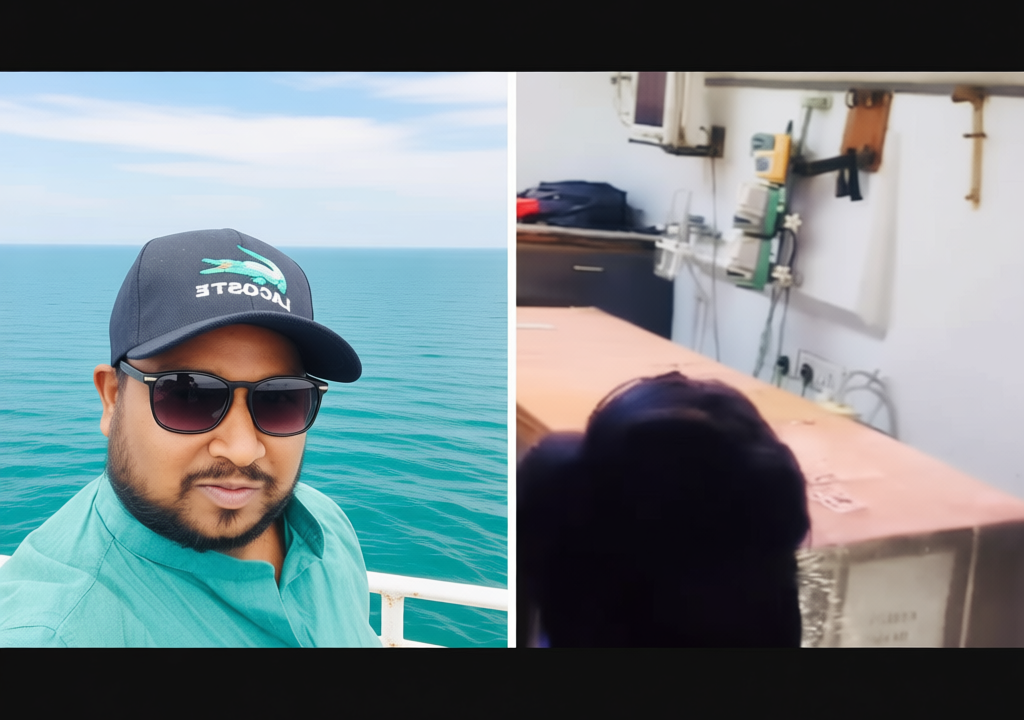
Indiadailyupdate.com – What happened to Rakesh Chauhan? The tragic death of the Indian sailor in Venezuela has sparked questions about the circumstances surrounding his passing, as his body was returned without vital organs. Rakesh Chauhan, a 33-year-old seafarer, died in the South American country over a month ago, and his family only discovered the unusual condition after a second autopsy revealed the absence of key organs such as the brain, heart, lungs, liver, kidneys, and others. This incident has raised concerns about the transparency of the repatriation process and the potential mishandling of his remains.
The Tragic Passing of Rakesh Chauhan
Rakesh Chauhan, who worked on a merchant vessel, was reported missing from the ship after suffering a cardiac arrest. His death occurred during his time in Venezuela, where he was presumably on a short-term assignment. According to his family, the body was kept in a deep freezer for approximately a month before being sent back to India, which may have influenced the preservation and decomposition of the organs. The initial post-mortem conducted by Venezuelan authorities showed no immediate signs of trauma, leaving the family puzzled about the cause of death.
The family’s follow-up examination uncovered a startling detail: the body had numerous stitches, including 22 from the neck to the pubic symphysis and 21 across the ears, according to the Federation of Seafarers’ Unions of India (FSUI). This raised suspicions about the removal of organs, possibly for medical or financial reasons. The FSUI has since demanded a thorough investigation, emphasizing the need for clarity on what happened to Chauhan’s body and the procedures followed during his repatriation.
Autopsy Findings and Medical Controversy
The second autopsy, which was conducted by Indian experts, confirmed the absence of several critical organs. This has led to speculation about whether the organs were removed posthumously or if there was an error in the initial examination. Medical professionals have pointed out that the preservation of the body in a deep freezer could have masked the presence of trauma or decomposition, making it harder to determine the exact cause of death. However, the absence of organs has prompted further scrutiny into the handling of Chauhan’s remains and the role of Venezuelan authorities in the process.
Family members expressed shock and distress upon learning about the missing organs, with some suggesting that the authorities might have withheld information to expedite the repatriation. The FSUI has called for transparency, urging the Indian Embassy in Venezuela to disclose all post-mortem reports and provide a detailed account of the events. The controversy has also drawn attention to the broader issue of how remains of Indian seafarers are treated during international repatriation, highlighting the need for standardized procedures and accountability.
Call for Investigation and Accountability
The Federation of Seafarers’ Unions of India (FSUI) has demanded a comprehensive inquiry into the incident, questioning the actions of Venezuelan authorities and the protocols followed in the repatriation of Chauhan’s body. The union emphasized that the absence of organs could indicate either a medical necessity or a procedural oversight, and they have called for the Indian government to take a proactive role in ensuring justice for the sailor’s family. The FSUI also urged the Indian Embassy to provide all available documentation and clarify any discrepancies in the post-mortem findings.
Chauhan’s death has become a focal point for discussions about the treatment of Indian workers abroad, particularly in the maritime sector. His family has alleged that the authorities failed to communicate the details of the second autopsy, leaving them in the dark about the fate of their loved one. This has fueled demands for greater accountability and a more transparent process in cross-border repatriation cases. The incident has also highlighted the vulnerability of seafarers, who often work in isolated conditions and may not have immediate access to legal recourse or information about their health status.
Impact on Indian Seafarers’ Community
The case of Rakesh Chauhan has sent ripples through the Indian seafarers’ community, raising concerns about the safety and treatment of workers abroad. Many in the industry are questioning whether the removal of organs was a routine practice or an anomaly, and whether the FSUI’s intervention will lead to changes in the repatriation process. This event has underscored the importance of medical documentation and the need for families to be fully informed about the condition of their deceased loved ones.
Additionally, the controversy has sparked debates about the role of the Indian Embassy in ensuring the proper handling of remains and the legal rights of seafarers. The FSUI has suggested that the incident could have occurred due to a lack of coordination between local authorities and the Indian government, or perhaps as a result of financial incentives tied to the organ removal. While the exact reasons for the missing organs remain under investigation, the case has highlighted the critical need for transparency and accountability in international maritime operations.
As the search for answers continues, the family of Rakesh Chauhan is seeking justice and clarity. The case serves as a poignant reminder of the challenges faced by seafarers in foreign countries and the importance of thorough post-mortem examinations. What happened to Rakesh Chauhan is not just a personal tragedy but also a call to action for improved procedures in the repatriation of Indian sailors, ensuring that their remains are treated with dignity and respect.