125-Year-Old Gurdwara Demolished in Pakistan: India Condemns Attack on Sikh Heritage
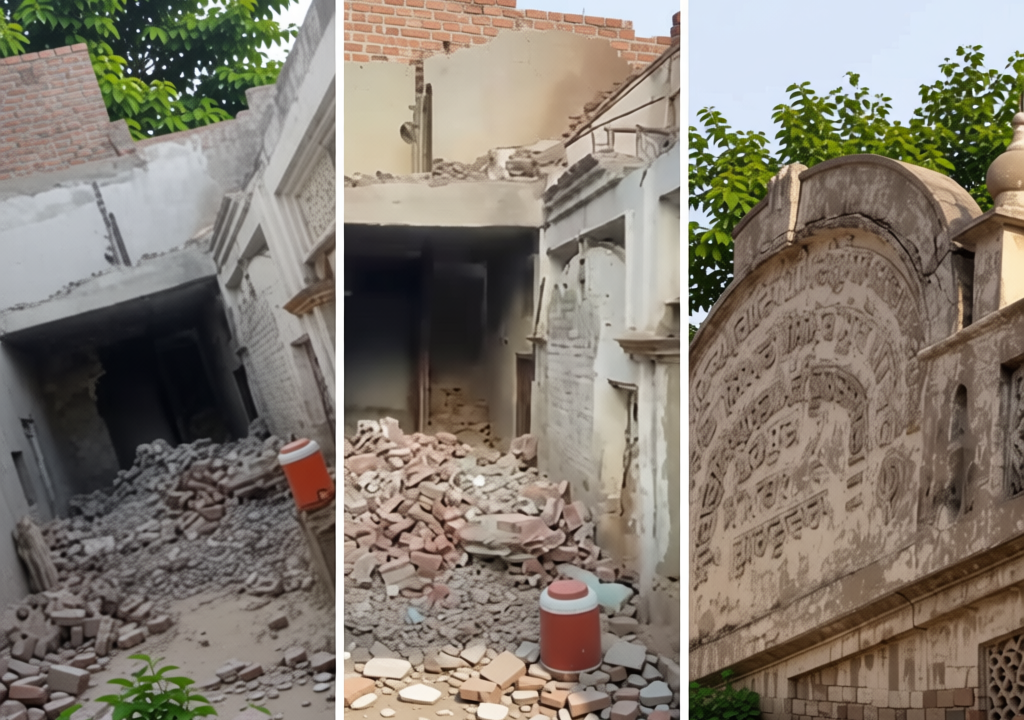
Indiadailyupdate.com – The demolition of a 125-year-old gurdwara in Pakistan has drawn sharp criticism from India, with the Ministry of External Affairs (MEA) demanding immediate action to restore the damaged portions and ensure the safety of religious minorities. The incident, which took place in Farooqabad—a town located 70 kilometers from Lahore—has sparked outrage over the destruction of a historic Sikh shrine, raising concerns about the erosion of religious freedom and cultural heritage. The gurdwara, known as Gurdwara Sri Guru Singh Sabha Sahib, is not only a place of worship but also a symbol of the community’s deep-rooted history in the region. India has called on Islamabad to investigate the matter thoroughly and hold those responsible accountable for the vandalism.
Historical and Cultural Significance of the Gurdwara
Established in the late 19th century, the gurdwara is closely associated with the Singh Sabha Movement, a significant initiative aimed at reforming Sikh traditions and promoting the teachings of the Guru Granth Sahib. This movement, which gained momentum in the 1870s, played a crucial role in shaping the identity of the Sikh community and fostering a sense of unity and spiritual revival. The destruction of such a revered site is seen as a direct blow to the community’s historical narrative and a clear message of intolerance toward religious diversity.
Located in Farooqabad, the gurdwara has served as a spiritual and cultural hub for Sikhs for over a century. Its architectural design and religious artifacts reflect the rich heritage of Sikhism, making it a landmark of immense importance. The act of demolishing it has been described as a deliberate attempt to marginalize the Sikh minority, with officials in New Delhi emphasizing that such incidents are part of a broader trend of discrimination against religious communities in Pakistan.
Government Response and Vandalism Allegations
Following the demolition, Pakistani authorities have yet to provide a satisfactory explanation for the destruction of the gurdwara. Local sources indicate that the incident was carried out by a businessman who acted without securing the necessary No Objection Certificate (NOC) from the relevant department. This omission has raised questions about the lack of oversight and the prioritization of private interests over communal heritage. The MEA has urged Islamabad to take swift action, stating that the attack on the gurdwara represents a serious threat to the rights of religious minorities.
“The destruction of the 125-year-old gurdwara is a distressing act of vandalism that targets the cultural and religious fabric of Pakistan,” remarked an MEA spokesperson. “We call upon the government to investigate the incident and restore the shrine to its original state, ensuring the safety of all minority communities.” The statement highlights the growing diplomatic tensions between India and Pakistan, with the gurdwara’s demolition serving as a catalyst for renewed scrutiny of the latter’s treatment of religious minorities.
Community Protests and Local Concerns
Residents of Farooqabad have taken to the streets in protest, demanding accountability for the demolition of the gurdwara. The Sikh community has expressed deep sorrow over the loss of their historical site, with leaders calling it a symbolic attack on their identity. However, the incident has also sparked debate within the local community, as some traders argue that the premises have been largely abandoned for nearly 80 years, allowing them to establish businesses in the area.
“While the gurdwara holds cultural significance, its long-standing neglect has created a conflict between preservation and practical use,” said a local trader. “If restoration leads to displacement, the government must provide compensation for affected families.” This sentiment reflects the complex dynamics at play, where the interests of religious heritage intersect with the livelihoods of local residents.
International Reaction and Diplomatic Implications
The demolition of the 125-year-old gurdwara has not gone unnoticed on the global stage. International organizations and diplomatic missions have expressed concern over the incident, with some highlighting the need for Pakistan to uphold its commitments to religious freedom. India’s strong condemnation underscores its strategic interest in maintaining good relations with the Sikh community, both within its borders and in neighboring regions.
Meanwhile, the event has intensified discussions about the role of religious minorities in Pakistan’s social and political landscape. The gurdwara’s destruction is viewed as a microcosm of larger issues affecting the rights of Sikhs, Christians, and Hindus in the country. Advocacy groups have emphasized the importance of protecting minority sites, warning that such acts could lead to a further decline in religious tolerance and communal harmony.
As the situation unfolds, the restoration of the 125-year-old gurdwara remains a key priority for both the Indian and Pakistani governments. The incident has not only deepened the diplomatic rift between the two nations but also reignited conversations about the need to safeguard religious sites from future attacks. The global Sikh diaspora has also voiced solidarity with the community, urging Pakistan to take decisive measures to address the concerns raised by the demolition.