35 Crore Bribe Offer to TVK MLA: Ashok Kumar Seeks Anticipatory Bail
Allegations of Political Corruption in Karur Assembly Constituency
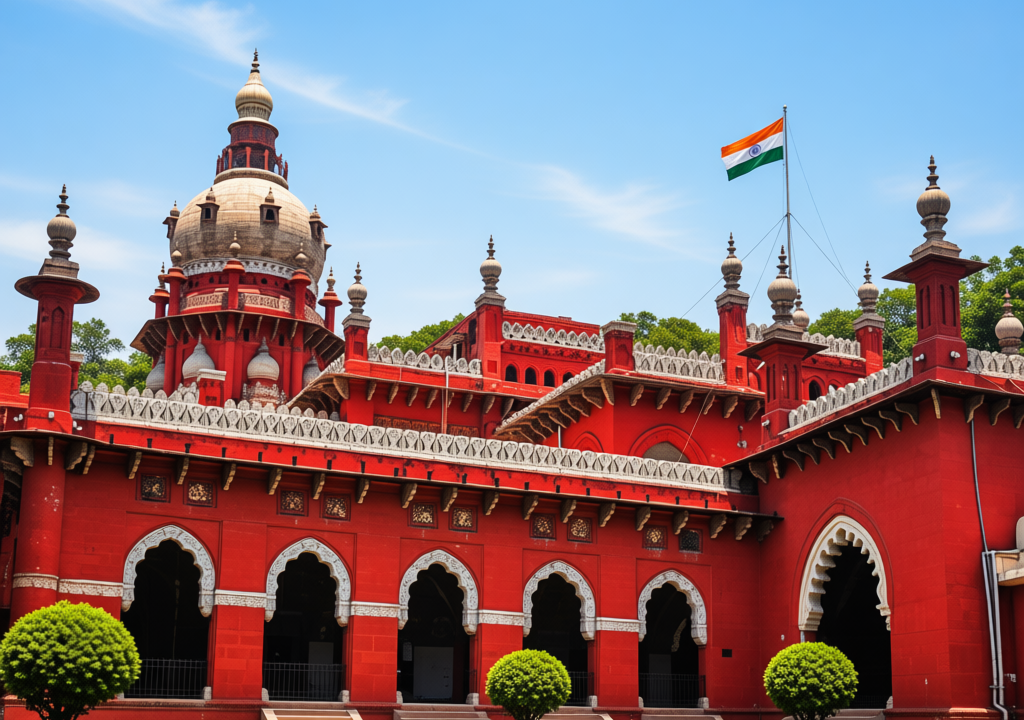
Indiadailyupdate.com – Recent allegations of a ₹35 crore bribe offer to the TVK MLA have sparked a legal battle, with V. Ashok Kumar, the brother of former DMK minister V. Senthil Balaji, petitioning the Madras High Court for anticipatory bail. The case centers on claims that the MLA, N. Elaiyaraja, was approached by an individual named Thirunavukarasu, who allegedly represented the Indian Political Democratic Strategies (IPDS) firm. According to the complaint, the bribe was proposed to influence Elaiyaraja’s decision on a resolution targeting the assembly speaker, J.C.D. Prabhakar. This development has raised concerns about the integrity of political processes in the Karur constituency ahead of the upcoming assembly by-election.
Details of the Bribe Offer and Legal Proceedings
The FIR was filed by the Triplicane police after Elaiyaraja’s complaint dated June 29, 2026, detailed the ₹35 crore bribe offer. Thirunavukarasu reportedly called Elaiyaraja, insisting that the sum would secure his support for a resolution against the speaker. The MLA, however, claimed the offer was a strategic move to sway voter sentiment. The case, which involves Ashok Kumar and two other accused—Naresh and Krishnan—is set for a hearing on Friday. The Triplicane police have charged Kumar with being part of the scheme, but his defense argues that the bribe was a political maneuver rather than a criminal act.
Elaiyaraja’s complaint highlights the pressure exerted by Thirunavukarasu, who allegedly threatened the MLA and his family if he refused the deal. The firm IPDS, known for conducting political surveys and advisory services, has been linked to the controversy. The resolution in question aimed to challenge the speaker’s authority, potentially altering the political landscape of the Karur constituency. The accused, including Kumar, assert that the bribe was not directly their responsibility, but rather a part of a larger plan to influence electoral outcomes. This has led to debates about the role of private firms in shaping political decisions.
Kumar’s Defense and Political Motives
During his petition, Ashok Kumar emphasized that the ₹35 crore bribe offer was politically motivated. He argued that the complaint against him was an attempt to destabilize the DMK party ahead of the by-election, with the resolution against the speaker serving as a distraction. Kumar also pointed out that he was only mentioned in the FIR because the caller provided his name, suggesting a lack of direct involvement. He further contested the police’s authority to arrest him without a specific warrant, highlighting procedural gaps in the investigation.
“This ₹35 crore bribe offer to TVK MLA is a calculated strategy to influence voters and create division within the party,” Kumar stated in his legal filing. He claimed the resolution was a means to gain support for a contentious agenda, rather than a direct bribe. Kumar’s defense hinges on the idea that the case is being used to target a key DMK figure, potentially undermining the party’s credibility in the constituency.
The Triplicane police have dismissed Kumar’s claims, stating that the FIR is based on credible evidence linking him to the alleged corruption. The MLA’s decision to file the complaint has drawn attention to the role of personal relationships in political dealings. As the case progresses, legal experts are monitoring whether the police’s handling of the investigation is transparent or influenced by political interests. The ₹35 crore bribe offer to TVK MLA has become a focal point in the debate over political ethics and the need for stricter anti-corruption measures.
Broader Implications for the By-Election and Political Landscape
The controversy surrounding the ₹35 crore bribe offer to TVK MLA has intensified as the Karur assembly by-election approaches. Political analysts suggest that the case could significantly impact voter behavior, with candidates and parties scrutinizing their connections to potential scandals. The involvement of a former minister’s brother adds weight to the allegations, as it underscores the interconnectedness of political families and their influence on local elections. If Kumar is granted anticipatory bail, it may signal a lenient approach to corruption cases, raising questions about the justice system’s impartiality.
Meanwhile, the opposition has seized the opportunity to highlight the DMK’s alleged ties to the bribe scheme. They argue that the case exposes the party’s vulnerabilities and could cost them crucial votes in a closely contested election. Elaiyaraja, the MLA, has maintained that he was merely a target of the bribe offer, and that the resolution against the speaker was a legitimate political move. However, the firm IPDS’s role in the scheme remains under investigation, with authorities probing its involvement in facilitating the bribe to sway the assembly’s decision-making process.
The legal proceedings are expected to unfold in the coming weeks, with the Madras High Court weighing the evidence against Kumar. The case has also sparked discussions about the need for greater transparency in political campaigns and the role of private entities in funding electoral strategies. As the by-election looms, the outcome of this case could shape not only the Karur constituency’s political dynamics but also the broader perception of electoral integrity in Tamil Nadu. The ₹35 crore bribe offer to TVK MLA remains a pivotal element in this unfolding drama.