India’s Pollution Challenge Is Local: Why Solutions Must Be Too
Indiadailyupdate.com – India’s pollution challenge is local. Across the country, communities encounter pollution problems that are deeply rooted in their unique geographical, economic, and cultural contexts. In the bustling metropolis of Delhi, residents confront the persistent threat of winter smog, while farmers in Punjab grapple with the seasonal haze caused by crop residue burning. Coastal communities in Tamil Nadu face the dual burden of plastic waste and chemical runoff, and small towns in Rajasthan struggle with groundwater contamination due to industrial and agricultural activities. These localized issues reveal a fundamental truth: environmental degradation cannot be addressed through a single, uniform approach. Instead, India must prioritize region-specific strategies that reflect the distinct challenges each area faces.
Understanding the Local Nature of Pollution
India’s diverse terrain—from arid deserts to dense urban jungles—creates a mosaic of pollution sources and effects. Delhi’s air quality crisis is exacerbated by its high population density, vehicular traffic, and industrial zones, while Punjab’s agricultural practices, such as the burning of paddy straw, contribute to seasonal air pollution. In contrast, coastal regions face threats from industrial discharge and improper waste disposal, which contaminate marine ecosystems. Even within urban areas, pollution manifests differently; for instance, traffic congestion in Mumbai affects air quality, whereas in Bangalore, the rapid urbanization and construction activities create unique particulate challenges. Recognizing these differences is essential for developing effective solutions.
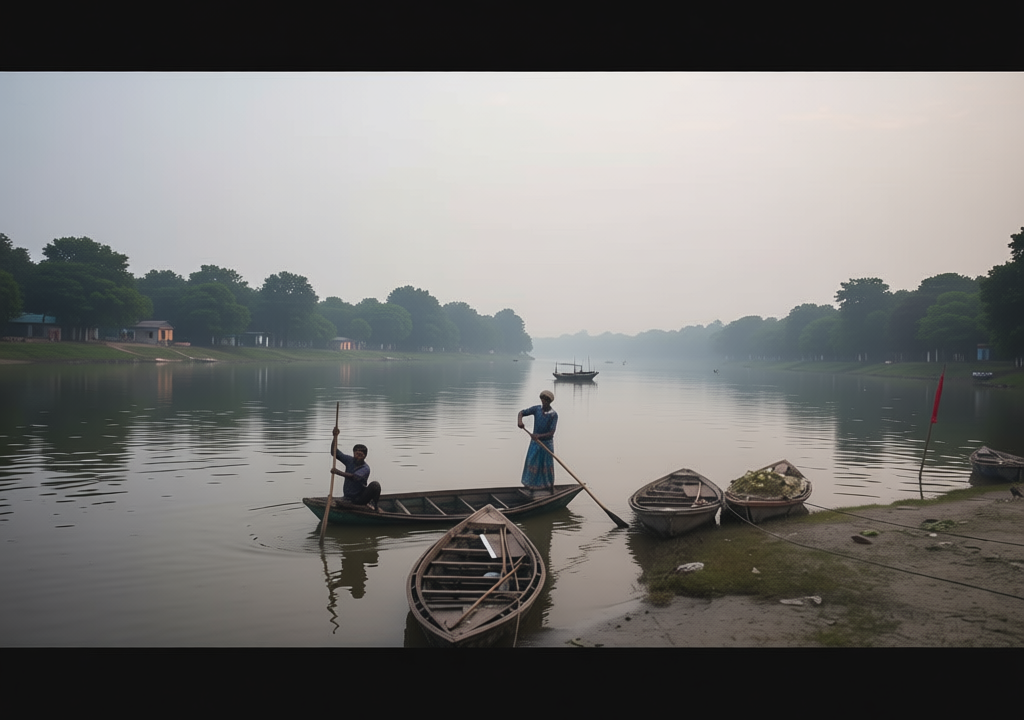
Local variations in pollution sources demand tailored responses. For example, the Yamuna River’s pollution stems from untreated sewage and industrial effluents, requiring a combination of infrastructure upgrades and stricter regulations. In contrast, rural areas often lack the resources to implement large-scale cleanup efforts, making decentralized waste management and community-led initiatives more viable. This adaptability is crucial for ensuring that pollution control measures are both practical and sustainable. As the government works on national policies, it must also foster local innovation and participation to address the nuanced realities of each region.
Why National Policies Can’t Solve Local Issues
Despite ambitious national frameworks, they often struggle to account for the specific needs of diverse regions. India’s National Air Quality Action Plan (NAQAP) sets broad targets, but implementation varies widely. In Delhi, for instance, the plan focuses on reducing vehicular emissions, yet the city’s pollution is also influenced by transboundary wind patterns and coal-fired power plants. Meanwhile, Punjab’s air quality problems are tied to agricultural practices, which national policies may overlook in favor of industrial-focused solutions. This mismatch between policy and local context can lead to ineffective interventions and missed opportunities for long-term improvement.
“India’s pollution challenge is local, and the solutions must align with the realities of each community.”
The gap between national standards and local conditions is evident in the disparity of outcomes across regions. While urban centers might see measurable reductions in air pollution due to centralized governance, rural areas often lag because of