Supreme Court Stays Meghalaya High Court Bail Decision for Sonam Raghuvanshi
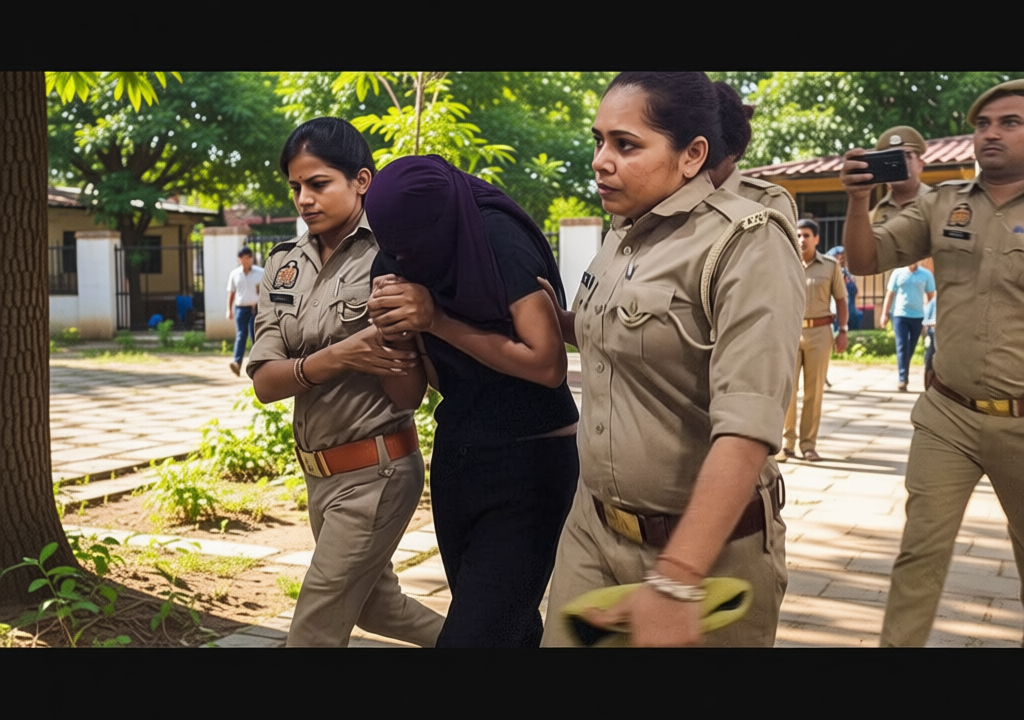
Indiadailyupdate.com – The Supreme Court has stayed the Meghalaya High Court’s bail order for Sonam Raghuvanshi, citing “prima facie reservations” about the judgment. This decision, announced on Friday, temporarily suspended the High Court’s approval of Sonam’s release while the case undergoes further scrutiny. Sonam, accused of murdering her husband Raja Raghuvanshi during their honeymoon in Meghalaya, remains on bail pending additional legal proceedings. The stay underscores the ongoing debate over the balance between individual liberty and the need for judicial review in high-profile criminal cases.
Legal Context and Procedural Details
The case gained national attention after Raja Raghuvanshi was found dead under suspicious circumstances during the couple’s wedding trip. The Meghalaya government filed an appeal against the High Court’s earlier ruling, which had granted Sonam bail despite the prosecution’s claims of a premeditated plot. Justice M.M. Sundresh, leading the Supreme Court bench, emphasized that the stay does not imply the rejection of the bail order, clarifying the distinction between temporary suspension and full revocation. This procedural nuance is critical in ensuring the legal process remains intact while allowing for further evidence evaluation.
“The High Court’s order is not being overturned, merely paused to allow for a more thorough examination of the facts,” stated Justice Sundresh during the hearing. He added that the stay reflects the court’s confidence in the defense’s arguments but also its willingness to revisit the case if new evidence emerges. The ruling comes as the prosecution continues to present its case, with investigators highlighting the meticulous planning behind the alleged crime.
Legal analysts have pointed out that the stay serves as a strategic move by the Supreme Court to ensure the case is evaluated under higher judicial scrutiny. The decision follows the High Court’s initial approval of bail, which had been challenged by the state government on grounds of insufficient evidence. The stay allows both parties to present their arguments fully, with the court reserving the right to intervene if necessary. This highlights the importance of procedural fairness in complex criminal trials.
Public Reaction and Media Attention
The case has sparked intense public discourse, with media outlets and legal experts dissecting the implications of the Supreme Court’s stay. Many view Sonam’s bail as a significant development, given the gravity of the charges against her. However, the government has argued that the High Court’s decision overlooked key evidence, potentially compromising the justice system’s integrity. Social media platforms have seen widespread discussions, with some supporters of Sonam emphasizing her right to a fair trial, while others criticize the court for delaying her re-arrest.
“This stay demonstrates the judiciary’s commitment to due process, even in high-profile cases,” noted legal commentator Ananya Sharma. “It ensures that all parties have equal opportunity to present their case before a final verdict is reached.” Meanwhile, human rights advocates have praised the decision, stating it prevents premature convictions and protects the accused’s rights. The debate reflects broader concerns about the intersection of law, media influence, and public sentiment in criminal justice.
As the case progresses, the focus remains on the legal arguments surrounding Sonam’s bail. The defense has highlighted the lack of clear evidence linking her to the crime, while the prosecution maintains that the investigation is ongoing and critical findings will emerge soon. The Supreme Court’s intervention signals a cautious approach, ensuring that no step in the legal process is taken lightly. This balance between speed and thoroughness is essential in maintaining public trust in the justice system.
Impact on the Trial Process
The stay has not halted the trial itself, but it has introduced a layer of complexity to the proceedings. Legal experts warn that the prolonged process may affect the timeline for delivering justice, though they acknowledge the necessity of the Supreme Court’s involvement. Sonam’s release has allowed her to continue her defense, but it also means the investigation into her alleged involvement in Raja Raghuvanshi’s murder remains active. The court’s decision to stay the order reflects its role as the final arbiter in cases of legal ambiguity.
“While the stay may delay immediate action, it ensures the case is examined from all angles,” said senior advocate Ravi Mehta. “The Supreme Court’s ruling is a reminder that even in cases of alleged heinous crimes, the legal process must be respected.” The case is expected to resume once the court has reviewed the submitted arguments, with both the defense and prosecution prepared to present additional evidence. This highlights the dynamic nature of legal proceedings and the importance of procedural integrity in criminal trials.
As the legal battle continues, the focus remains on the evidence presented by the prosecution and the defense’s counterarguments. The stay allows for a more comprehensive evaluation of the facts, ensuring that the final verdict is based on robust legal reasoning. With the Supreme Court’s intervention, the case is now poised to take a significant turn, potentially reshaping the trajectory of Sonam Raghuvanshi’s trial. The outcome could set a precedent for similar cases in the future, emphasizing the role of judicial oversight in criminal justice.