Political Influence Protecting Fatima Owaisi Campus from Demolition?
Indiadailyupdate.com – The Telangana High Court has intensified scrutiny over the Barrister Fatima Owaisi Educational KG-PG Campus, raising questions about whether political connections are shielding it from potential demolition. The campus, named after Fatima Owaisi, daughter of Akbaruddin Owaisi—leader of the All India Majlis-e-Mushawarat (AIMIM)—faces allegations of encroaching on the Salkam Cheruvu lake’s full-tank level (FTL) area in Chandrayangutta, a critical constituency for the AIMIM party in Hyderabad’s Old City. Despite being ordered to submit documents within three months, the institution has yet to provide clear evidence of compliance with environmental regulations, fueling speculation about the role of political influence in delaying action.
HYDRAA’s Delayed Enforcement Sparks Debate
Hyderabad Disaster Response and Asset Protection Agency (HYDRAA) has drawn criticism for its slow response to the encroachment case. While the agency is responsible for demolishing structures built on lake areas, it has not taken decisive action against the Fatima Owaisi campus, despite the court’s repeated reminders. This inaction has led to accusations that political affiliations are hindering the enforcement of rules. The court’s pressure has grown as officials struggle to resolve the issue, with the case now seen as a test of whether political ties can override environmental mandates.
“The court is seeking comprehensive records to determine the legitimacy of the campus’s operations,” said an HYDRAA representative. “However, the delay in submissions suggests a lack of urgency, possibly due to political considerations.”
Legal Hurdles and Institutional Confusion
The case has exposed inconsistencies in how permissions are granted and enforced. During a recent hearing, the school education department admitted the campus lacked formal approval for K-10 education, though it had been operating for years. This ambiguity has left the court questioning the validity of the institution’s operations, as it relies on data from other schools to justify its admissions. Meanwhile, the irrigation department has emphasized the need for a cadastral map to confirm the campus’s encroachment on the FTL zone, but the process has stalled due to bureaucratic delays.
“The legal framework requires strict adherence, yet the campus has managed to continue functioning without proper documentation,” noted a legal analyst. “This highlights the challenges of enforcing environmental laws in politically sensitive areas.”
Political Alliances and Courtroom Tensions
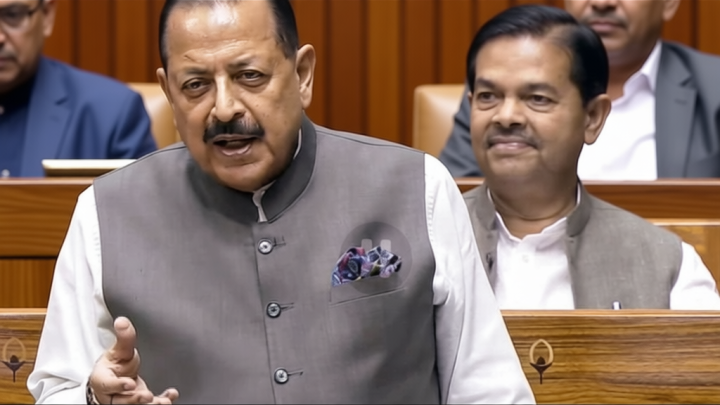
The political dimension of the case has become more pronounced, with the BJP accusing the Congress-led government of prioritizing the campus due to its alliance with AIMIM. Telangana BJP president N. Ramachandra Rao claimed that the Congress and AIMIM have formed a “conspiracy” to protect the institution, citing its long-standing presence in the region. In contrast, the court has remained neutral, demanding proof of the campus’s legal standing before proceeding with any final decisions.
Justice N.V. Shravan Kumar has set a strict deadline for authorities to present all documents related to the campus’s approvals, including municipal permits and compliance reports. The judge stressed that delays would not be tolerated, emphasizing the importance of transparency in resolving the dispute. The court’s upcoming ruling will determine whether the campus continues to operate or faces demolition, with implications for both environmental governance and political accountability.
Public Reaction and Legal Implications
Local residents and environmental groups have expressed concern over the potential loss of the campus, which has served as an educational hub for decades. While some support its operations, others argue that the encroachment threatens the ecological balance of the Salkam Cheruvu lake. The case has also become a symbol of broader challenges in balancing development with conservation, particularly in areas where political influence is strong.
As the legal battle continues, the focus remains on whether the Fatima Owaisi campus can sustain its existence without meeting regulatory requirements. The outcome of this case could set a precedent for similar institutions, influencing how political power interacts with environmental law in Telangana. With the court’s deadline approaching, the pressure on authorities to resolve the dispute has never been higher, and the role of political influence in this process will be under close examination.