Mumbai Flood Alert: Heavy Rain Disrupts Flights and Road Traffic
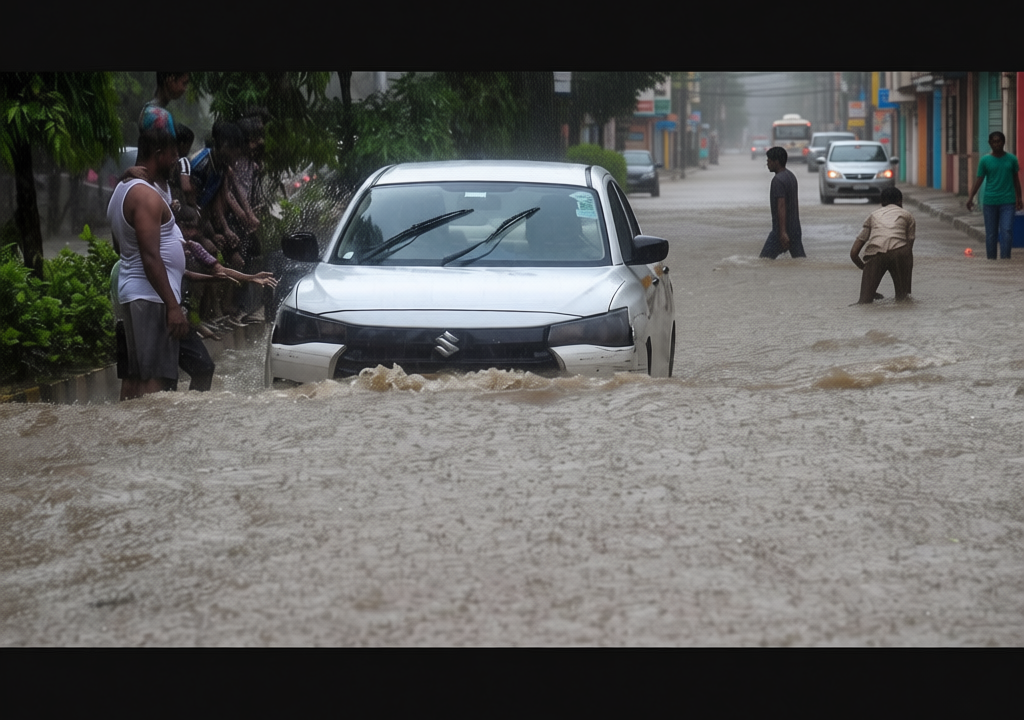
Indiadailyupdate.com – Weather update – Mumbai remains in the grip of monsoon-induced waterlogging, with authorities issuing urgent alerts as the city grapples with severe flooding. The India Meteorological Department (IMD) has escalated the weather warnings, predicting prolonged heavy rainfall that has left major roads submerged and public transport in disarray. With the monsoon season in full swing, the city’s infrastructure faces mounting pressure, forcing residents to adapt to the relentless downpours and their cascading effects.
Impact on Transportation and Daily Life
The current weather update highlights the disruption to both ground and air travel. At Lokmanya Tilak Terminus (LTT) in Kurla, flooding has turned once-convenient routes into treacherous obstacles, prompting commuters to take alternate paths or face prolonged delays. Meanwhile, in Ghatkopar, strong winds have uprooted trees, creating hazards for vehicles and pedestrians. These incidents underscore the city’s vulnerability to extreme weather conditions, particularly in low-lying areas prone to water accumulation.
Airports in Mumbai are also struggling to cope with the weather. Flights have been delayed due to visibility issues and runway conditions, leaving passengers stranded and frustrated. Airlines have urged travelers to monitor updates closely, as the weather update suggests that operations may remain volatile for the foreseeable future. The city’s transport department has deployed additional resources to manage traffic congestion, but the scale of the problem continues to outpace their response.
Regional Rainfall and Disaster Preparedness
As the weather update intensifies, the IMD has expanded its alerts to cover neighboring districts, including Raigad, Thane, Palghar, Ratnagiri, and Sindhudurg. These regions are expected to receive significant rainfall, potentially exacerbating the flooding crisis. In central Maharashtra, the ghats of Satara, Pune, and Nashik districts face moderate to heavy rain, raising concerns about landslides and road closures in hilly areas.
Local authorities have taken proactive steps to mitigate the damage. The State Disaster Management Department has activated emergency protocols, urging residents to stay alert and report incidents promptly. Waterlogging has not only disrupted daily commutes but also highlighted the need for improved drainage systems and flood management strategies. While the city’s railways have managed to operate with minimal interruptions, the weather update warns that conditions could worsen if the rain persists.
Residents across Mumbai are now accustomed to navigating flooded streets and unpredictable weather patterns. Schools and businesses have implemented contingency plans, with some areas resorting to temporary closures. The weather update also notes that the situation has prompted a greater awareness of climate risks, as the city braces for potential emergencies. Social media platforms have become a hub for real-time updates, with citizens sharing photos and videos of the chaotic scenes unfolding around them.
Historical Context and Future Outlook
Heavy rainfall in Mumbai is not an unfamiliar occurrence, but the frequency and intensity of the current monsoon season have raised alarms. Historically, the city experiences significant flooding during the monsoon months, yet the recent surge in waterlogging has been more severe than average. This trend aligns with climate change projections, which suggest that extreme weather events will become more common in the region.
Experts warn that the weather update reflects a broader pattern of urban flooding exacerbated by inadequate infrastructure. The IMD has advised that the current phase of the monsoon is likely to continue for several days, with the possibility of further downpours. Residents are being encouraged to keep emergency supplies on hand and avoid low-lying areas during peak rainfall hours. As the situation evolves, the focus remains on minimizing disruptions and ensuring public safety.