From Bihar to UP: Chirag Paswan Charts New Political Territory for LJP
A Strategic Shift in Political Ambitions
Indiadailyupdate.com – The Lok Janshakti Party (Ram Vilas), under the leadership of Chirag Paswan, has embarked on an ambitious campaign to expand its influence from the state of Bihar to the politically significant region of Uttar Pradesh, a move that signals a major shift in its electoral strategy. This initiative, unveiled during a high-profile event in Lucknow on Sunday, coincided with the birthday of party founder Ram Vilas Chauhan, underscoring the symbolic importance of the gathering. The occasion not only highlighted the party’s renewed focus on strengthening its grassroots infrastructure but also marked a pivotal step in its journey to become a national political force.
The decision to target Uttar Pradesh comes at a critical juncture for the LJP, which has historically anchored its success in Bihar. With the upcoming 2027 Assembly elections looming, Paswan’s vision is to replicate the party’s achievements in the eastern state across the northern heartland. The move is seen as a calculated effort to tap into the diverse voter bases of UP, a state that has traditionally been a stronghold for the Bharatiya Janata Party (BJP) but has shown signs of political fragmentation in recent years. By diversifying its geographical reach, the LJP aims to position itself as a credible alternative to the BJP and other major parties in the region.
The Role of Leadership and Campaign Organization
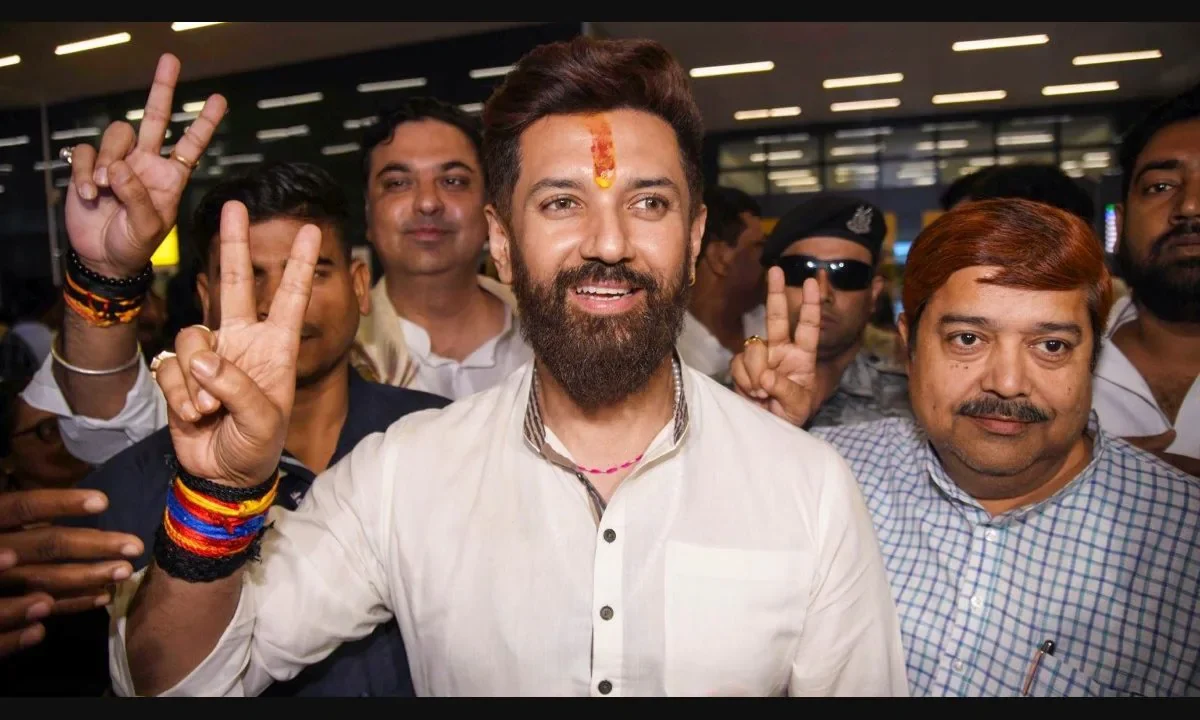
Chirag Paswan, the party’s national president, emphasized the importance of meticulous planning in preparing for the 2027 elections. During the Lucknow event, he outlined the party’s strategy to cover all 403 assembly constituencies in Uttar Pradesh, a vast and complex task requiring a robust organizational framework. While the Central Parliamentary Board will ultimately decide on alliances, Paswan has already appointed MP Arun Bharti as the key coordinator for the UP campaign. This appointment reflects the party’s intent to leverage local leaders who understand the nuances of the state’s political landscape.
Paswan also highlighted the personal connection he shares with Uttar Pradesh, citing his late father, Ram Vilas Paswan, as a foundational figure in the party’s history. The elder Paswan, who was a prominent leader in Bihar, had also made notable contributions to UP politics during his tenure. This familial link has added emotional resonance to the party’s campaign, which seeks to build trust among voters who may be nostalgic for the legacy of its founder. However, the party acknowledges that the transition from Bihar to UP will require overcoming significant hurdles, including the presence of established political entities and the need to consolidate support in a competitive environment.
The Lok Janshakti Party currently holds 19 Members of Legislative Assembly (MLAs) in Bihar, two in Nagaland, and one in Jharkhand, according to the latest electoral data. While these numbers demonstrate the party’s strength in its core region, expanding to Uttar Pradesh represents a bold step into uncharted territory. UP’s political landscape is dominated by the BJP, which has secured strong alliances with parties such as Apna Dal, Samajwadi Party (Samajwadi Janata), and the Nishad Party. These alliances have created a formidable coalition, making the LJP’s entry into UP a test of its ability to navigate complex party dynamics and attract a broader electorate.
“Who is saying this and why, only they know, but our faith in Prime Minister Modi’s leadership is strong,” he added.
Paswan’s remarks reflect the party’s pragmatic approach to the electoral race. While he has not ruled out the possibility of forming alliances with the BJP or other parties, he stressed that the LJP’s primary goal is to establish its own identity in UP. This has led to speculation about the party’s potential to influence the BJP’s alliances, particularly in areas where the BJP’s dominance is tenuous. Paswan’s focus on collaboration with local leaders and his emphasis on Modi’s leadership suggest a dual strategy: building a distinct brand while also seeking opportunities to strengthen ties with the ruling party.
The 2027 Assembly elections in Uttar Pradesh are expected to be a turning point for the LJP, as the party seeks to capitalize on voter dissatisfaction with the BJP’s policies. Analysts note that UP’s diverse demographics—ranging from urban centers like Lucknow to rural constituencies—present both challenges and opportunities for the LJP. By emphasizing its grassroots mobilization and commitment to local development, the party aims to carve out a niche in a state that has historically been difficult for smaller parties to penetrate. This expansion could also bolster the LJP’s national stature, positioning it as a key player in the Indian political arena beyond its Bihar roots.
As the LJP prepares for its campaign in Uttar Pradesh, the focus keyword “From Bihar to UP” is central to its narrative. The party’s efforts to bridge the gap between its traditional strongholds and new ambitions highlight a broader trend in Indian politics: the rise of regional parties seeking national relevance. By targeting UP, the LJP is not only diversifying its political footprint but also signaling its intent to play a larger role in shaping the future of India’s governance. This strategic move could redefine the political map, especially in a state where coalition politics and shifting voter allegiances are the norm. With Chirag Paswan at the helm, the LJP’s journey from Bihar to UP is poised to be both transformative and challenging.