Newlywed’s Fall from Delhi Building Sparks Family’s Murder Allegations
Tragic Incident in Lodhi Colony
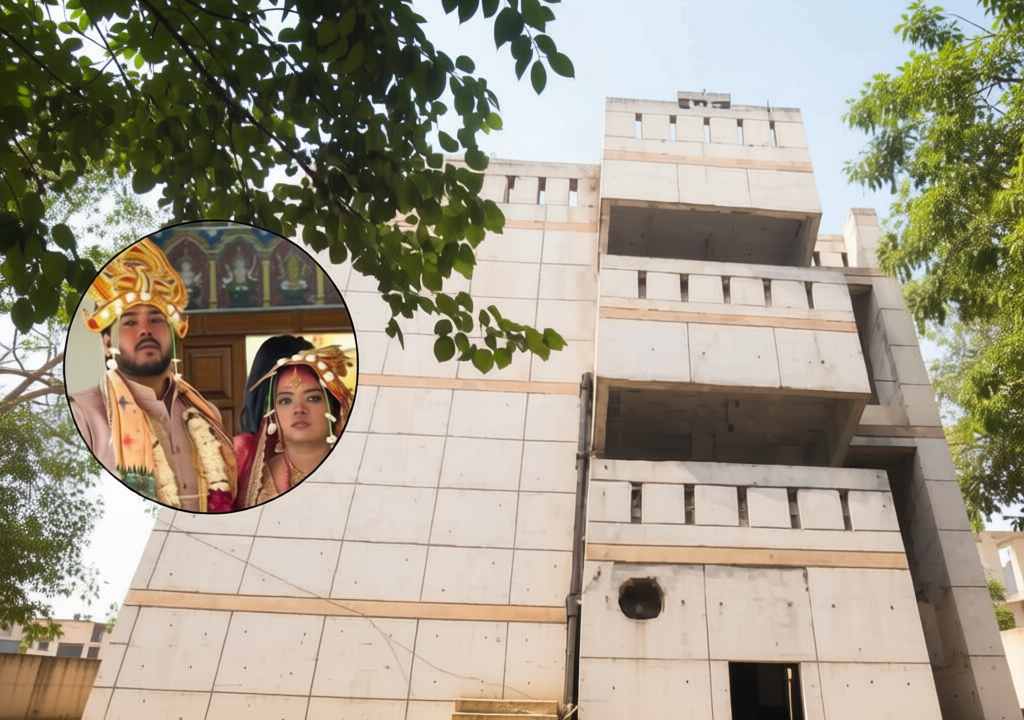
Indiadailyupdate.com – A newlywed woman, Akriti Sutar, 28, was found dead after falling from a building in Delhi’s Lodhi Colony on Saturday, sparking renewed concerns following the recent demise of Twisha Sharma. The case has drawn comparisons to the earlier tragedy, with Akriti’s family asserting that her death was not a suicide but a result of foul play. Akriti, who had married the son of a Labour Department section officer, was living in a government flat in Pushpa Vihar with her in-laws since April 24, raising questions about the pressures faced by newlywed couples in urban settings.
Family’s Claims of Domestic Tension
“Akriti was a mentally strong individual and would never take such a drastic step,” her family stated, pointing to the growing stress between the newlywed and her in-laws. They claimed she had been in a good mood before leaving for work that day, which intensified their suspicions about the circumstances of her death. The family alleges that Akriti’s in-laws, who have a history of domestic disputes, were responsible for her demise, citing her emotional state as a key factor in their accusation.
The incident has ignited a wave of public outrage, with many linking it to the broader issue of marital stress in India. Akriti’s husband, who has been silent since the tragedy, is now under scrutiny as investigators probe the possibility of a premeditated act. The family’s claims come amid rising awareness of how domestic pressures can lead to severe consequences, particularly for newlyweds in tightly-knit families.
Similarities to Twisha Sharma’s Case
The case of Akriti Sutar echoes the tragic fate of Twisha Sharma, who died under mysterious circumstances in Bhopal earlier this year. Twisha, a former model, was found hanging from the terrace of her in-laws’ home five months after her marriage to lawyer Samarth Singh. Her family immediately suspected foul play, attributing her death to dowry harassment and mental anguish. Both incidents highlight the challenges faced by newlyweds, particularly those from families with a history of disputes and high expectations.
“The high-profile influence of Samarth’s mother, Giribala Singh, a retired district judge, played a role in the incident,” the family of Twisha had previously asserted. This sentiment has now resurfaced in Akriti’s case, as authorities investigate whether her in-laws were similarly involved. The two tragedies have become emblematic of the broader social issues affecting newlywed couples, particularly in the context of the “After Twisha Sharma case newlywed” narrative gaining traction across media and social platforms.
Police Investigation and Legal Proceedings
The Lodhi Colony Police Station has launched a thorough investigation into Akriti’s fall, with the police stating they are acting under Section 196 of the Bombay Natural History Society (BNSS) to gather evidence. Akriti was reportedly found at the scene of the NDMC flat in Palika Kunj, where she had sustained critical injuries before being taken to AIIMS Delhi. Medical staff confirmed her death upon arrival, prompting the police to seek a postmortem report to establish the exact cause of her demise.
As the investigation unfolds, the “After Twisha Sharma case newlywed” has become a focal point for activists and legal experts. They argue that the similarities in the cases—both involving newlywed women and their in-laws—suggest a pattern of domestic violence. The police are also reviewing the timeline of events to determine whether Akriti’s fall was accidental or deliberate, with her family demanding an independent inquiry to ensure justice.
Public Reaction and Social Impact
Akriti’s death has triggered widespread public discourse on the treatment of newlyweds in Indian society. Social media platforms have been flooded with posts linking her case to the “After Twisha Sharma case newlywed” narrative, with many calling for stricter laws to protect women in marriage. The tragedy has also sparked debates about the role of in-laws in domestic conflicts and the need for mental health support for young couples.
“The ‘After Twisha Sharma case newlywed’ is a reflection of the emotional and psychological toll on young brides,” said a local activist. “Akriti’s case is a wake-up call for families and society to take domestic tensions seriously.” Her family’s anguish over her loss has intensified the emotional resonance of the “After Twisha Sharma case newlywed” theme, as they seek answers and closure in the wake of her untimely death.
Ongoing Inquiry and Calls for Justice
As the “After Twisha Sharma case newlywed” narrative gains momentum, Akriti’s family has demanded a thorough and transparent inquiry into her death. They argue that her in-laws’ actions, possibly driven by marital disputes, led to her tragic end. The case also underscores the importance of documenting incidents involving newlyweds, as it could set a precedent for future legal actions.
With the “After Twisha Sharma case newlywed” now being used as a case study for domestic tensions, authorities are under pressure to expedite their investigation. The incident has further fueled calls for reforms in how marital conflicts are addressed, particularly in cases where newlyweds are vulnerable to emotional or physical abuse. The family’s insistence on justice highlights the urgency of these issues in the Indian context.