AI Generated Image of Abhishek Sharma and Manager Sparks Legal Dispute Over Personality Rights
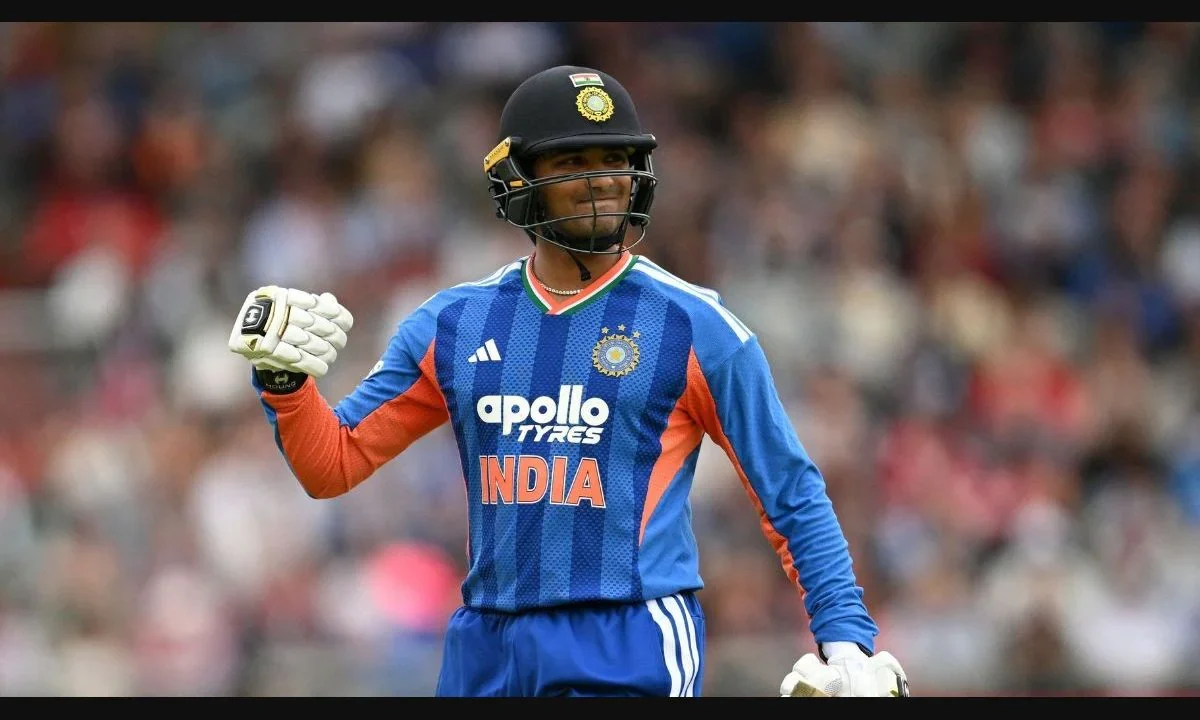
Indiadailyupdate.com – Abhishek Sharma, a prominent cricketer, has launched a legal campaign in the Delhi High Court to protect his personality rights after an AI-generated image of him in a romantic relationship with his manager gained traction online. The image, which appeared on social media platforms, has sparked a contentious debate about the boundaries of digital content creation and the right to one’s likeness. Sharma alleges that the unauthorized use of his image and the manager’s portrayal as his girlfriend constitute a breach of his personality rights, with the case highlighting the increasing challenges faced by public figures in the age of artificial intelligence.
The Legal Battle Unfolds
The case, which has drawn significant attention, began with Sharma’s filing of a petition against the creators of the AI-generated image. The cricketer’s legal team argued that the image not only misrepresented his personal life but also threatened his reputation by linking him to a relationship that never existed. During the initial hearing, Justice Jyoti Singh raised concerns about the consistency of the evidence presented, noting that the screenshots provided did not align with the descriptions in the affidavit. The judge emphasized the importance of clarity in such cases, stating,
“There is a real mess up here. You file an affidavit with screenshot matching with your table. Screenshot is way different from what you are showing. I cannot pass an order like this.”
This critique has prompted Sharma’s team to resubmit additional documentation, including more detailed evidence to support their claims.
Meta’s Defense and the Role of Online Platforms
Meta, the parent company of Facebook and Instagram, has defended its platforms by highlighting the challenges of moderating AI-generated content. In a recent statement, Varun Pathak, representing Meta, noted that only six of the eight URLs cited by Sharma remained accessible at the time of the filing. He also pointed out that one of the URLs featured a paparazzi photograph, arguing that such content typically falls under defamation or privacy laws rather than personality rights. This defense has ignited a broader conversation about the responsibilities of online intermediaries in ensuring accountability for AI-generated content that spreads misinformation.
Advocate Thakur, Sharma’s legal representative, countered this argument by stressing that the AI image was not just a manipulated photograph but a fully synthetic creation. He explained that the image portrayed Sharma’s manager as his girlfriend, a claim that could damage Sharma’s personal and professional image. The case now hinges on whether AI-generated content qualifies as a form of defamation or whether it falls squarely under the domain of personality rights. Legal experts suggest that the court’s decision will set a precedent for similar cases involving deepfakes and digital impersonation.
As the dispute escalates, the Delhi High Court’s ruling could have far-reaching implications for how AI-generated content is regulated. Sharma’s case is emblematic of a growing trend where public figures take legal action against synthetic representations that distort their image. Previous cases, such as those involving political leaders like Shashi Tharoor and celebrities like Aishwarya Rai Bachchan and Karan Johar, have established that personality rights are a critical tool in combating misleading portrayals. However, the debate continues over whether AI-generated images should be treated with the same seriousness as traditional media.
Public reaction to the AI image has been mixed, with some users supporting Sharma’s claim and others dismissing it as a harmless novelty. The controversy underscores the need for clearer legal frameworks to address the unique challenges posed by AI technology. As digital content becomes increasingly sophisticated, the court’s decision may determine how individuals can assert their rights in the face of synthetic media. For now, the case remains a focal point in the evolving landscape of digital rights and artificial intelligence.