From Mudslide to Landslide: Decoding the Wayanad Tunnel Project’s Shift in Government Stance
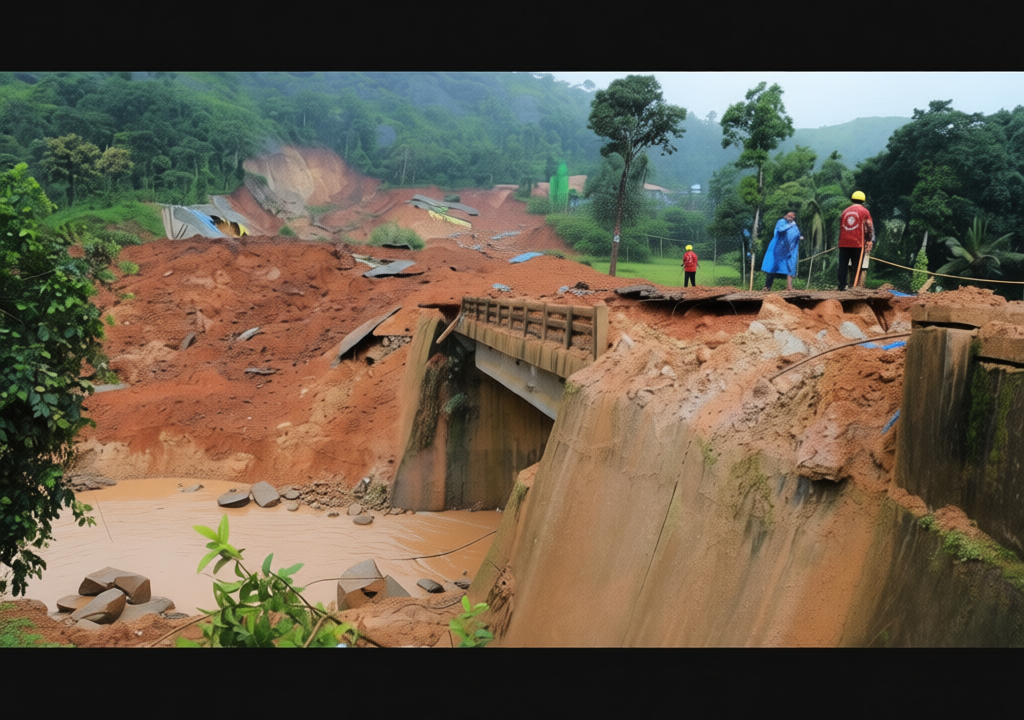
Indiadailyupdate.com – On July 7, a tragic incident at the Anakkampoyil-Kalladi-Meppadi tunnel construction site in Kerala’s Wayanad district left three lives lost, sparking a significant shift in the government’s narrative from “mudslide” to “landslide.” Initially, authorities blamed the contractor for unscientific disposal of excavated earth, pointing to the accumulation of soil as the primary cause. However, recent assessments by officials have reclassified the event as a landslide, highlighting a broader debate over the project’s environmental safety and the role of natural forces in the disaster.
The Reclassification: A Technical and Political Reassessment
The state government has initiated a comprehensive technical review of the Wayanad tunnel incident, aiming to determine whether the disaster was primarily a result of human error or natural geological activity. This move has drawn attention to the project’s environmental clearance, with officials emphasizing the need to evaluate whether the contractor met all conditions set by the Centre for approving the project. The reclassification as a landslide has also raised questions about the adequacy of monitoring systems and the preparedness of the region for such risks.
“The movement of earth was not just a collapse of dumped soil but a broader landslide event triggered by underlying geological factors,” explained a PWD official. “By analyzing the extent of displacement and the depth of the affected area, we can now better understand the root cause and prevent similar incidents in the future.”
While the contractor had been allocated a specific site for storing excavated material, officials noted that the company had hesitated to move it there. This delay, coupled with the decision to reuse the soil within the project, has intensified scrutiny. The government has also cited a June 26 inspection as a critical moment when PWD officials raised concerns about the potential dangers of accumulated soil during the monsoon season.
Project Context and Environmental Concerns
The Wayanad tunnel project, a key infrastructure initiative under the previous Pinarayi Vijayan administration, was designed to enhance connectivity in the ecologically sensitive region. The existing Thamarassery Ghat Road, known for its steep gradients and nine hairpin turns, faced frequent monsoon-related disruptions, including landslides and traffic bottlenecks. Officials argued that widening the road was not feasible, making a four-lane tunnel a more sustainable solution. However, the incident has now cast doubt on these claims, with environmentalists questioning the project’s long-term viability.
The project was entrusted to the Konkan Railway Corporation Limited (KRCL), which awarded the contract to Dilip Buildcon Limited. Construction began shortly after the project’s inauguration, which occurred before the previous government’s term ended. Despite earlier warnings about the potential risks of soil accumulation, the shift in terminology has sparked new discussions about the balance between development and environmental preservation.
“What was once seen as a contractor’s negligence is now framed as a natural disaster, which changes the accountability narrative,” said an environmental expert. “This shift could have implications for how the project is perceived and whether its environmental clearance stands.”
Public Reaction and Media Analysis
The reclassification of the disaster as a landslide has led to mixed reactions from the public and media. While some acknowledge the technical evidence supporting the change, others argue that the government is using this shift to deflect blame from its own oversight. Social media platforms have amplified the debate, with citizens demanding transparency in the investigation process and clarity on the project’s safety measures.
Environmental groups have called for a thorough review of the project’s environmental impact assessment, emphasizing that the initial approval may not have fully accounted for the region’s susceptibility to landslides. They argue that the government’s stance reflects a broader pattern of prioritizing economic development over ecological safeguards, particularly in areas prone to heavy rainfall. Meanwhile, local communities have expressed concern over the potential for future disasters, urging stricter monitoring of the construction activities.
Long-Term Implications and Ongoing Scrutiny
As the investigation into the Wayanad tunnel incident progresses, the reclassification from “mudslide” to “landslide” is likely to influence the project’s future. The government’s position could impact public trust, especially as the disaster occurred during the monsoon season, a critical period for such events in the region. With the technical inquiry expected to conclude soon, the findings will determine the next steps for the project, including whether the contractor faces penalties or if the government adjusts its environmental protocols.
Experts warn that the shift in terminology may also affect how the disaster is remembered and addressed. While a landslide is a natural phenomenon, the government’s framing of it as such could overshadow the role of human factors in the incident. This has prompted calls for a more integrated approach to risk management, combining both natural and anthropogenic causes in future assessments. The incident serves as a reminder of the delicate balance between infrastructure development and environmental stewardship in ecologically fragile zones.
From “mudslide” to “landslide,” the government’s stance on the Wayanad tunnel disaster has evolved significantly, reflecting both technical reassessments and political considerations. As the project moves forward, the outcome of the inquiry will be pivotal in shaping its legacy. Whether it’s seen as a triumph of engineering or a cautionary tale of environmental mismanagement, the incident underscores the importance of rigorous safety measures and transparent communication in large-scale infrastructure ventures.