Understanding the Roots of Factionalism in the Punjab Congress
Indiadailyupdate.com – What fuels factionalism in the Punjab? The upcoming 2027 Punjab Assembly elections have become a focal point for deepening internal divisions within the Congress party, revealing long-standing tensions rooted in caste, regional, and ideological differences. As the state’s political landscape shifts, the Congress, once a dominant force, now faces challenges from within. These rivalries are not new—historically, the party has been marked by competing interests among Punjabi Muslims, Jats, and Dalits—but the 2027 contest has intensified the stakes. The question of who will lead the party in this critical phase has sparked a battle for influence, with factions vying to shape the party’s direction and secure key positions. This internal strife underscores how the party’s structural dynamics and leadership decisions are central to understanding the current crisis.
The Caste Factor: Jats, Dalits, and Regional Hubs
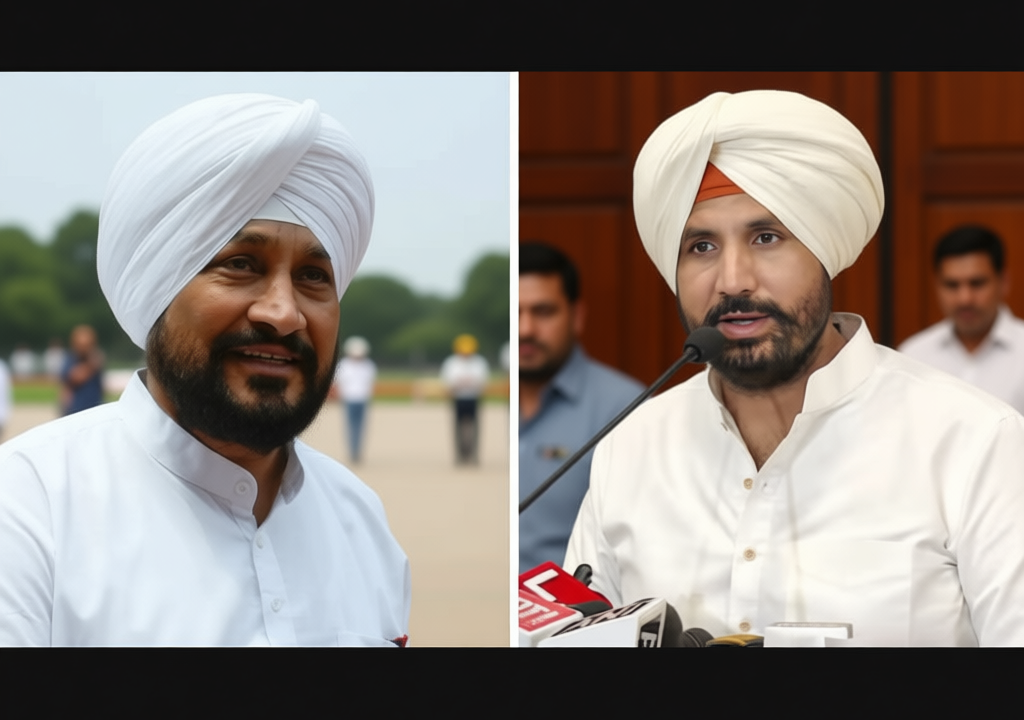
Factionalism in the Punjab Congress is deeply tied to caste politics, which has shaped the party’s identity and strategies for decades. The Jat community, historically dominant in Punjab’s agrarian economy, has long held sway over the state unit, often prioritizing their interests over others. In contrast, Dalit leaders like Charanjit Singh Channi have sought to broaden representation, arguing that their inclusion is essential for a more equitable political structure. This tension has led to disputes over roles in the election campaign, with Channi advocating for a leadership role that reflects his Dalit roots and the growing support from urban and minority voter bases. Meanwhile, Punjabi Muslim factions, concentrated in the south of the state, have also pushed for greater prominence, fearing marginalization in a party increasingly aligned with Jat and Dalit agendas.
The 2027 elections have heightened these divisions, as the Congress aims to reclaim power after years of decline. Leaders from different caste groups are leveraging their networks to influence the campaign’s messaging, creating a fragmented approach that risks alienating voters. For instance, the high command’s decision to assign roles to Lok Sabha MPs in Punjab has been criticized by some factions as favoring a narrow segment of the party’s base. This move has not only stoked rivalry but also raised concerns about whether the party can unify its message in a state where regional identities and caste loyalties often take precedence over party loyalty.
Leadership Battles and the Role of the High Command
At the heart of the factionalism in the Punjab Congress is the struggle for control between the high command and state-level leaders. Manish Tewari, a veteran Congress MLA, has been sidelined in recent appointments, which have been seen as favoring a younger, more urbanized leadership. This has angered traditionalists who view the high command’s decisions as a betrayal of the party’s grassroots foundations. Meanwhile, Charanjit Singh Channi, the former chief minister and a Dalit leader, remains a key figure in the campaign committee, a role that has been interpreted as an attempt to consolidate his influence. His ambitions, however, are met with resistance from the high command, which believes that centralized control is necessary to prevent further fragmentation.
The state unit president, Amarinder Singh Raja Warring, and Leader of Opposition Pargat Singh have maintained their positions, symbolizing the balance of power between senior leaders and state-specific strategists. Yet, their tenure has been contested by factions that argue their leadership lacks the vision to address the Punjab Congress’s challenges. Bhupesh Baghel, the state unit in-charge, has reinforced the high command’s stance, insisting that decisions will not be reversed. His resistance highlights the central role of the national leadership in shaping the party’s direction, even as state-level actors push for greater autonomy. This power struggle is a microcosm of the broader debate on how to navigate the complexities of Punjab’s diverse electorate.
“When the high command has taken a decision, it is not changed. ‘Koi gudda-guddi ka khel hai kya ke baar-baar nirnay badla jaega?’ (Is this a child’s play that the decision will be changed repeatedly?)”
The high command’s firm grip on decision-making has been both a strength and a source of friction. While it ensures consistency in the party’s national strategy, it also limits the ability of state-level leaders to adapt to local needs. This has led to accusations that the national leadership is out of touch with Punjab’s evolving political climate. Leaders like Channi argue that a more decentralized approach is necessary to mobilize support from marginalized communities, while others insist that unity under the high command is the only way to achieve a majority in the 2027 elections. The debate reflects a larger question: how can the Congress balance its historical roots with the demands of a modern electorate?
Recent developments, including Rahul Gandhi’s meetings with senior Congress leaders in Punjab, have added another layer to this conflict. The national leader’s efforts to streamline organizational changes were intended to strengthen the party’s campaign, but they have instead deepened existing rifts. Some state leaders see these interventions as a way to align the party with national priorities, while others view them as an attempt to curb regional influence. The result is a growing sense of alienation among those who feel their voices are being drowned out in the push for a centralized leadership model. This internal discord could have significant implications for the Congress’s performance in the 2027 elections, as voters may begin to question the party’s ability to represent their interests effectively.
As the election campaign gains momentum, the factions within the Punjab Congress are racing to secure their positions. The high command’s recent appointments have been interpreted as a bid to cement its authority, but they have also sparked backlash from those who feel their contributions are being undervalued. For instance, Channi’s placement as chairman of the campaign committee has been seen by some as a strategic move to elevate his profile, while others argue it reflects a broader attempt to shift the party’s leadership structure toward Dalit dominance. This dynamic is further complicated by the rise of new political players, who are capitalizing on the Congress’s internal divisions to attract support from disaffected voters.
The future of the Punjab Congress hinges on its ability to reconcile these differences. While factionalism has been a constant in the party’s history, the 2027 elections represent a critical juncture where internal harmony could determine the outcome. Leaders must navigate the delicate balance between maintaining centralized control and addressing the demands of a pluralistic electorate. If the party fails to do so, the risk of further fragmentation—potentially leading to splinter groups or alliances with rival parties—could jeopardize its chances of winning a majority. Ultimately, the question of what fuels factionalism in the Punjab remains central to the Congress’s journey toward reclaiming its former glory in the state.