3 Rebel TMC Rajya Sabha MPs Join BJP, Calcutta HC Rules on Frozen Bank Accounts
Defection of TMC Rajya Sabha Members
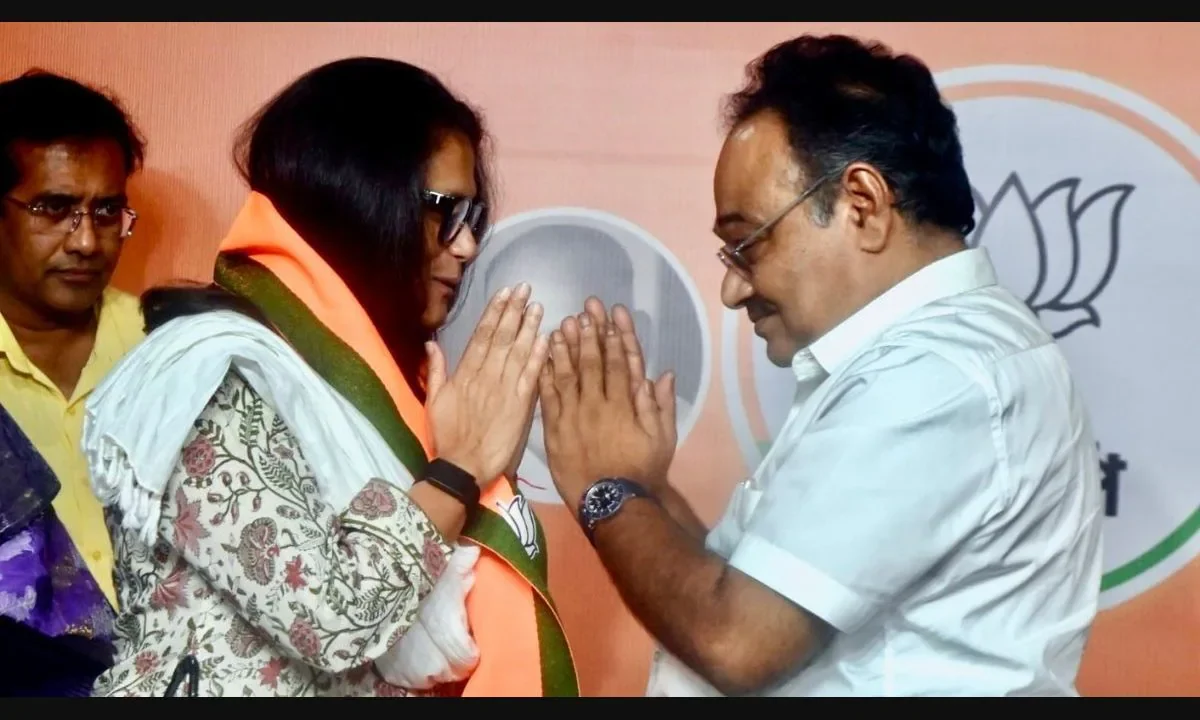
Indiadailyupdate.com – Three prominent members of the Trinamool Congress (TMC), including Rajya Sabha MPs Sushmita Dev, Sukhendu Sekhar Ray, and Prakash Chik Baraik, have officially defected to the Bharatiya Janata Party (BJP), marking a significant shift in the political landscape of West Bengal. The trio’s decision to leave the Mamata Banerjee-led party follows the ‘Ritabrata-model’ of defection, which has become a notable trend in recent months. The ceremony took place at the BJP’s Salt Lake headquarters, where state president Samik Bhattacharya and other senior leaders welcomed the new members. This move not only strengthens the BJP’s presence in the Rajya Sabha but also raises questions about the stability of TMC’s coalition and its ability to maintain majority in the state legislature.
The defection of these TMC Rajya Sabha MPs has sparked a wave of speculation about the motivations behind their departure. While official reasons remain undisclosed, analysts suggest that factors such as policy disagreements, internal power struggles, and a desire for better electoral prospects could be at play. Sushmita Dev, a seasoned politician known for her grassroots involvement, is expected to bring her experience to the BJP’s fold, while Sukhendu Sekhar Ray and Prakash Chik Baraik are seen as potential assets in amplifying the party’s regional influence. Their move aligns with a broader pattern of defection observed in the state, where several TMC legislators have opted to switch allegiance in recent years.
Calcutta HC’s Ruling on Frozen Bank Accounts
Meanwhile, the Calcutta High Court (HC) has delivered a landmark ruling regarding the frozen bank accounts of certain TMC officials, a development that has further intensified the political drama surrounding the party. The court’s decision, which came after a prolonged legal battle, was centered on the validity of the accounts’ seizure under the Prevention of Money Laundering Act (PMLA). The ruling is significant as it could pave the way for the release of funds held against TMC leaders, potentially easing financial pressures on the party amid rising expenses and electoral campaigns.
The case, which involved the freezing of accounts linked to the TMC’s leadership, has drawn attention from legal experts and political observers. The Calcutta HC’s intervention underscores the judiciary’s role in addressing financial disputes that impact the functioning of political parties. This ruling may also have implications for other parties facing similar legal challenges, setting a precedent for how such cases are handled in the future. The outcome is expected to influence the party’s strategies in the upcoming state elections, where financial resources are critical to campaign effectiveness.
Political Reactions and Implications
The defection of three TMC Rajya Sabha MPs to the BJP has elicited mixed reactions from political circles. Mamata Banerjee’s party has expressed concern over the loss of its parliamentary strength, while the BJP has celebrated the addition of new allies in the state. Analysts note that the defection could weaken the TMC’s majority in the Rajya Sabha, which is currently at 50 seats. This development might also pressure the TMC to form alliances with other parties to counterbalance the BJP’s growing influence.
In response to the defection, senior TMC leaders have called for internal reforms to prevent further losses. They argue that the party’s leadership should address the grievances of its members to retain their loyalty. On the other hand, the BJP has emphasized the strategic value of these new members, stating that their inclusion will bolster the party’s position in the state’s legislative and executive affairs. The transition highlights the dynamic nature of West Bengal’s political scene, where party alliances and individual ambitions often intersect.
The Calcutta HC’s ruling on frozen bank accounts has also been interpreted as a symbolic move, reflecting the judiciary’s support for political accountability. The decision to release the funds could provide the TMC with much-needed financial resources to sustain its campaign efforts. However, the ruling may also prompt scrutiny of other parties’ financial dealings, ensuring transparency in the allocation of public funds. This legal development underscores the importance of financial audits in maintaining public trust and preventing misuse of resources.
As the political landscape continues to evolve, the actions of the three TMC Rajya Sabha MPs and the Calcutta HC’s ruling are likely to shape the trajectory of West Bengal’s governance. The BJP’s enhanced representation in the upper house may enable it to push for legislative changes that align with its policy agenda. Meanwhile, the TMC’s ability to navigate the challenges posed by defections and legal hurdles will be crucial in determining its future electoral prospects. The interplay between these developments could have far-reaching consequences for the state’s political dynamics and governance structure.