Savariya Basanth Death in Uzbekistan: Family Alleges Forced Conversion and Torture by Classmate
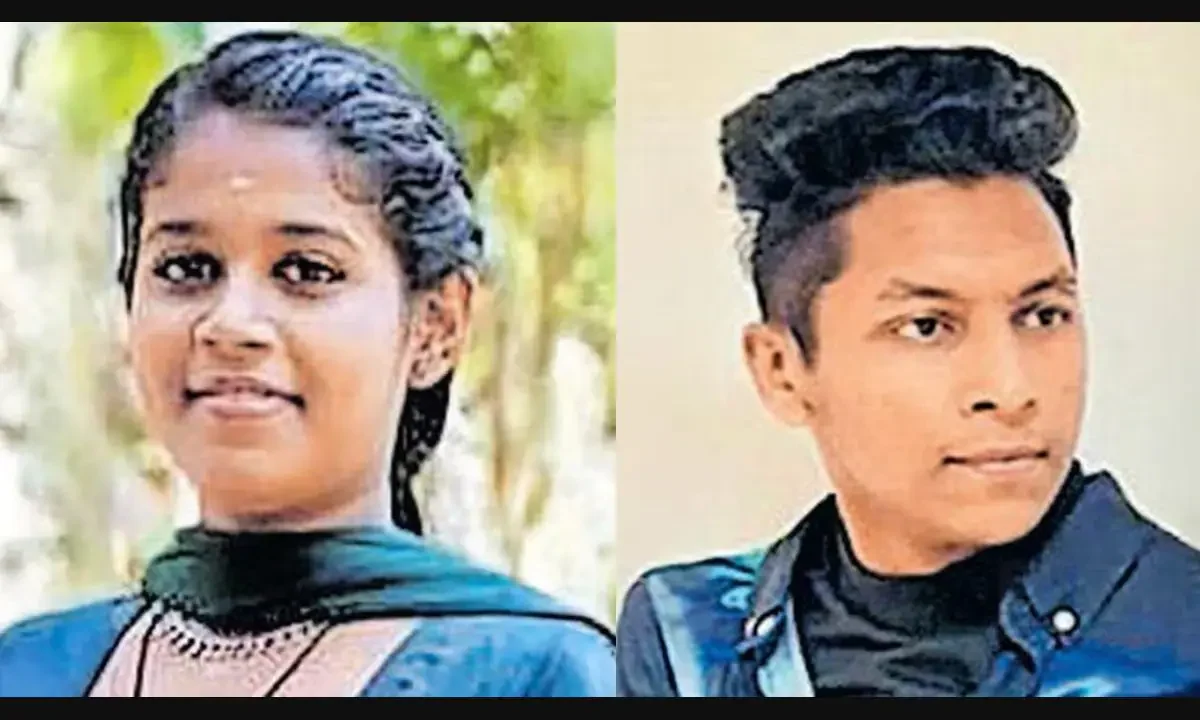
Indiadailyupdate.com – The tragic death of Savariya Basanth in Uzbekistan has sparked outrage among her family and friends, who allege she was subjected to severe physical abuse and forced conversion attempts by her Malayali classmate, Sadarul Anam. According to local media reports, the 22-year-old Kerala medical student was killed in the country on July 9, 2026, after resisting a pressure to convert to Islam. Her family claims that the abuse escalated to the point of fatal violence, with Savariya’s maternal uncle, Janeesh, detailing the systematic torment she endured before her death.
Students Shared Hostel, Academic Performance Noted
Savariya Basanth and Sadarul Anam were both first-year students at Bukhara State Medical University in Uzbekistan, where they resided in the same hostel. The hostel, which housed male and female students together, became the scene of the alleged atrocities. Savariya enrolled in the university in December 2025 and performed well in her initial semester, as reported by The New Indian Express. Despite her academic success, she faced relentless pressure from Sadarul to abandon her Hindu faith and embrace Islam, a claim the family has consistently reiterated.
“Sadarul did not merely hit her with a laptop as earlier reported. He systematically assaulted her from head to toe before killing her. Classmates saw him repeatedly ask Savariya to convert to Islam, but she refused,” said Janeesh, her maternal uncle. The family believes the torture was a direct result of her refusal to change her religion, which Sadarul and others in their group reportedly viewed as an act of defiance.
Family’s Claims and Legal Actions
Following the incident, Savariya’s family conducted a second post-mortem at Alappuzha Medical College to verify the cause of death and the extent of her injuries. The results, they claim, confirmed that her death was not accidental but a consequence of prolonged mistreatment. Her father, Basanth, has submitted a formal complaint to the Alappuzha District Police Chief, demanding a thorough investigation into the circumstances surrounding Savariya Basanth’s death. The family also alleges that Sadarul Anam was systematically bullying her throughout her time in Uzbekistan, citing instances of verbal abuse and social isolation as part of his efforts to coerce her into conversion.
The police have stated that Sadarul remains in custody, pending further inquiry. A police official, speaking to Manorama Online, confirmed that the authorities are examining the case closely and will take legal steps to repatriate the accused. “We will ensure that the entire sequence of events leading to the death of Savariya Basanth is thoroughly investigated,” the official added. The family’s demand for justice has also drawn attention from the Indian embassy in Uzbekistan, which is reportedly coordinating with local authorities to support their case.
Cultural Context and Forced Conversion
The case of Savariya Basanth death has ignited discussions about the prevalence of forced conversion in Uzbekistan, where religious minorities often face discrimination. Her family asserts that Sadarul Anam, who is from Malappuram, Kerala, was part of a group that targeted her for her faith. “The pressure to convert was not just personal—it reflected a broader pattern of intolerance in the hostel,” said Janeesh. The tragedy has raised concerns about the safety of Indian students abroad, particularly those from religious communities that may be marginalized in their host countries.
While Uzbekistan is known for its secular policies, the family claims that Sadarul and others used religious affiliation as a tool to exert control. They argue that the incident highlights the need for stronger protections for students who resist such pressures. The family is also seeking international attention, emphasizing that the death of Savariya Basanth death underscores the challenges faced by individuals who uphold their cultural and religious identities in foreign environments.
As the investigation continues, the focus remains on the sequence of events leading to Savariya Basanth death. The family’s detailed accounts, supported by the post-mortem findings and eyewitness testimonies, provide a compelling narrative of the abuse she endured. Their advocacy for justice has not only brought the case to national prominence but also serves as a poignant reminder of the human cost of religious intolerance. The ongoing inquiry into the Savariya Basanth death is expected to shed light on the broader implications of such incidents and the role of local institutions in addressing them.