Delhi NCR Experiences Improved AQI and Temperatures During Monsoon Season
Indiadailyupdate.com – Delhi NCR sees better AQI temperatures as monsoon rains and winds sweep through the region, offering a temporary reprieve from the usual pollution and heat. After weeks of sweltering temperatures and smog-choked air, the arrival of consistent rainfall has significantly reduced particulate matter and other pollutants in the atmosphere. This improvement has been welcomed by residents and environmentalists alike, though experts caution that the benefits may be short-lived. The Indian Meteorological Department (IMD) has reported that the monsoon season, which officially began in early June, is now showing signs of its full impact, with heavy downpours expected to continue over the next few days.
Impact of Monsoon on Delhi’s Air Quality
The air quality index (AQI) in Delhi has dropped to a “good” level, with current readings at 39, according to the Central Pollution Control Board (CPCB). This marks a notable shift from the previous months, when the AQI frequently exceeded 400, causing severe health concerns. The reduction in pollution is primarily attributed to the cleansing effect of rain, which has washed away accumulated dust, vehicle emissions, and industrial pollutants. Additionally, the monsoon winds have facilitated the dispersion of airborne particulate matter, leading to a noticeable improvement in air clarity. Such conditions were last observed in Delhi on September 10, 2023, as noted by the Times of India.
“The current AQI levels are a rare sight and are appearing for the first time in three years,” remarked an environmental analyst from the Times of India.
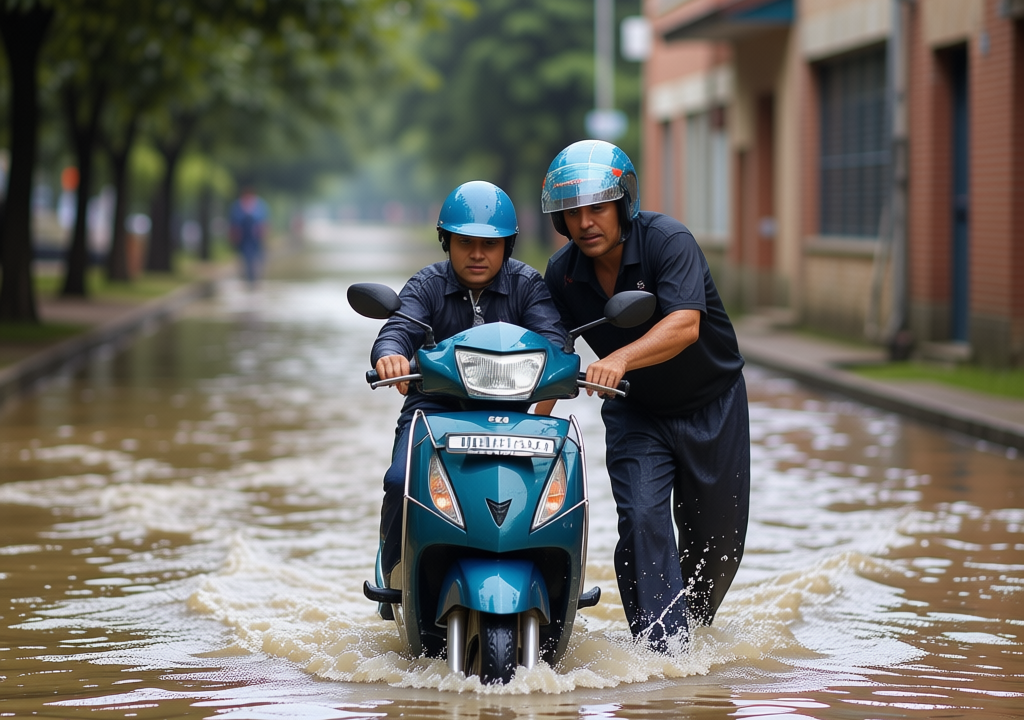
While the short-term benefits of the monsoon are clear, the long-term effects remain uncertain. The improvement in air quality has been accompanied by a drop in temperatures, which has also provided relief from the sweltering heat that has plagued the region for months. However, this respite is likely to be temporary, as the monsoon season is expected to ease in the coming days. The National Capital Region (NCR) has seen intermittent rainfall, with some areas experiencing flash floods and waterlogging. Despite these challenges, the overall trend indicates that Delhi and its surrounding areas are currently enjoying a healthier atmospheric environment.
Environmental Experts Highlight Challenges Ahead
Environmental experts warn that the improved AQI and milder temperatures are not a permanent solution. While the monsoon has addressed immediate issues of pollution, the underlying causes—such as industrial emissions, vehicular exhaust, and crop residue burning—remain unchanged. These factors are expected to resurge once the rains subside, particularly during the winter months when wind patterns and rainfall are less frequent. The CPCB has emphasized that the region’s air quality is heavily dependent on seasonal weather cycles, and without sustained efforts to curb emissions, the benefits of the monsoon may be short-lived.
Moreover, the current rainfall has been sporadic, with some areas in Delhi receiving heavy downpours while others remain dry. This variability is typical of the monsoon season and could influence the overall effectiveness of the cleansing effect. The IMD has predicted that the NCR’s weather will remain inconsistent for the next six days, with Saturday bringing similar conditions to Friday but at a slightly lower intensity. By Sunday, the skies are expected to clear, though humidity will persist. The rains may return on July 15, with a 50% chance of precipitation in Rajasthan, Haryana, and Punjab, as monsoon clouds re-activate in these regions.
With the weather shifting, the question remains: will this improved AQI and milder temperatures hold, or will Delhi face a resurgence of pollution once the rains subside? The situation is a critical test for the region’s environmental policies and public health infrastructure. While the monsoon has provided a temporary fix, long-term solutions are needed to ensure that Delhi NCR continues to see better AQI temperatures. This includes stricter regulations on industrial and vehicular emissions, as well as increased public awareness about pollution sources.