Delhi Riots 2020: Umar Khalid, Sharjeel Imam Denied Bail in Conspiracy Case
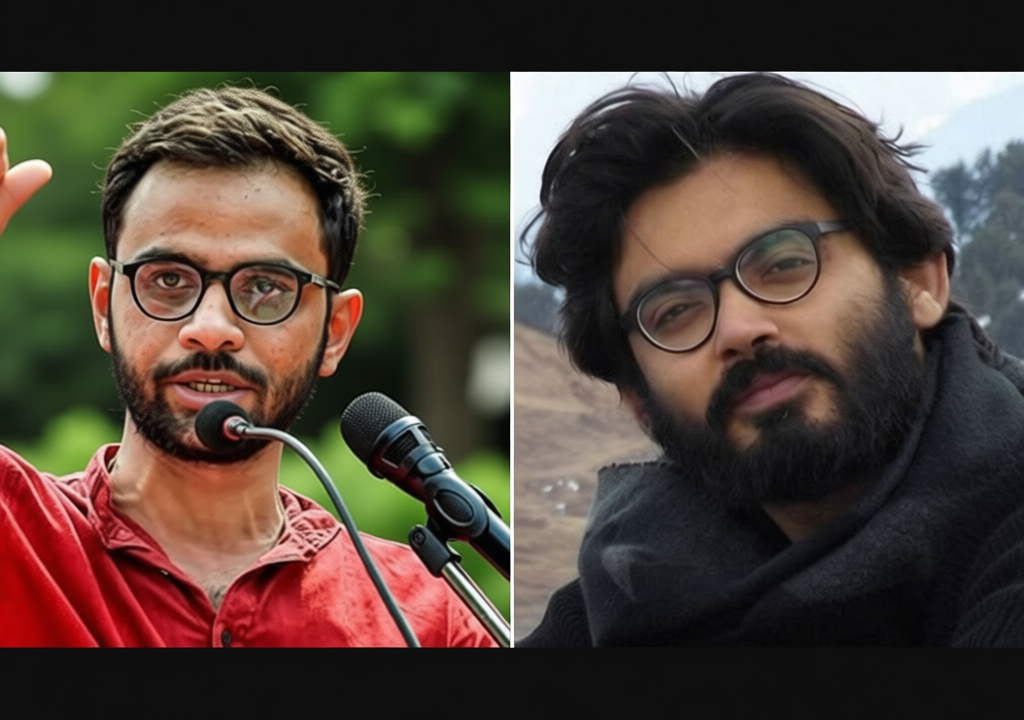
Indiadailyupdate.com – In a recent development, the Delhi court denied bail applications for Umar Khalid and Sharjeel Imam in a conspiracy case linked to the 2020 northeast Delhi riots. The Karkardooma Court rejected their pleas, emphasizing that the trial had not advanced sufficiently to warrant release. The decision came despite earlier Supreme Court rulings that had acknowledged the potential for prolonged detention under the Unlawful Activities (Prevention) Act (UAPA). Both activists, prominent student leaders, argued that their six-year incarceration exceeded constitutional limits, as the case had yet to reach a conclusive stage.
The Context of the 2020 Delhi Riots
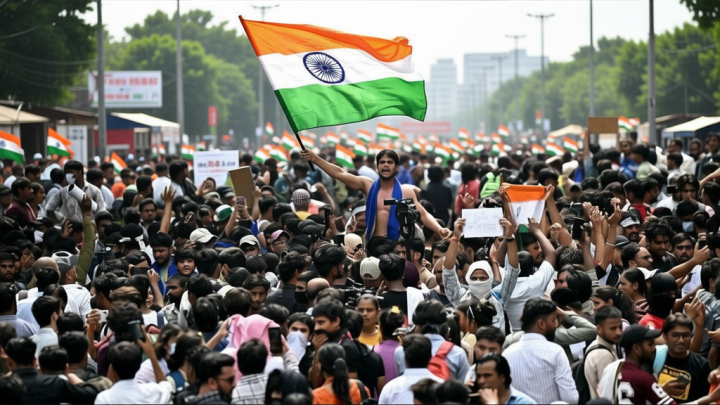
The 2020 Delhi riots erupted in February following protests against the Citizenship (Amendment) Act (CAA) and the National Register of Citizens (NRC). Tensions escalated into violence, resulting in 53 deaths and over 700 injuries, with many incidents attributed to mob attacks and targeted assaults on minority communities. The riots became a focal point for discussions on communal harmony, law enforcement practices, and the role of political activism in inciting unrest. Khalid and Imam, associated with the Jawaharlal Nehru University (JNU) student union, were accused of orchestrating the violence through a broader conspiracy that allegedly spanned multiple regions.
The legal proceedings against them began under Section 12 of the UAPA, which allows for the detention of individuals involved in activities deemed unlawful. The prosecution claimed that the accused had played a pivotal role in organizing the riots, with their actions contributing to the chaos that unfolded in northeast Delhi. The court’s decision to deny bail underscored the seriousness of the charges, as well as the need to ensure the investigation proceeded without interruption. This move has reignited debates about the balance between justice and the rights of the accused in high-profile cases.
The Legal Battle and Supreme Court’s Role
Khalid and Imam had previously sought bail in January, citing the Supreme Court’s ruling that “bail is the rule, not the exception” under the UAPA. However, the court maintained that the accused had not provided compelling evidence of a material change in circumstances since their initial detention. The legal team representing the Delhi Police argued that the delay in the trial was justified, as the investigation required time to gather crucial evidence and testimonies. The prosecution also highlighted the political sensitivity of the case, which had drawn national attention and influenced public sentiment.
The denial of bail has sparked criticism from legal experts and human rights organizations, who warn of the potential for prolonged judicial processes in politically charged cases. They argue that the court’s strict interpretation of the UAPA may lead to the detention of individuals without sufficient proof of guilt. Meanwhile, the government defended the decision, asserting that the activists had been systematically involved in the riots and that their detention was necessary to prevent further disruptions. The case now stands as a significant example of how legal frameworks can be used to address large-scale unrest, even as it raises questions about due process and freedom of expression.
Legal scholars have pointed out that the court’s reliance on the UAPA and the Indian Penal Code (IPC) reflects a broader strategy to hold activists accountable for their roles in the riots. The decision to deny bail aligns with previous rulings that have emphasized the importance of maintaining judicial integrity in cases involving national security concerns. However, critics argue that the extended detention period could be used to silence dissent, especially in the context of ongoing protests and debates over the CAA and NRC. This has led to concerns about the judiciary’s independence and its alignment with political agendas in sensitive cases.
The case of Khalid and Imam is not isolated; it is part of a larger pattern of legal action taken against individuals associated with the 2020 Delhi riots. The court’s focus on the “conspiracy” aspect of the case highlights the growing use of broader legal definitions to prosecute activists for their involvement in communal violence. As the trial continues, it remains a critical case that could shape future legal interpretations of the UAPA and influence the balance between security and civil liberties in India. The outcome of this case will likely have lasting implications for how political activism is viewed in the context of large-scale social unrest.