Supreme Court Seeks Regulation of Police Surveillance Tech After NEET Protests
A A Rahim MP Files PIL Against Biometric Monitoring at Public Gatherings
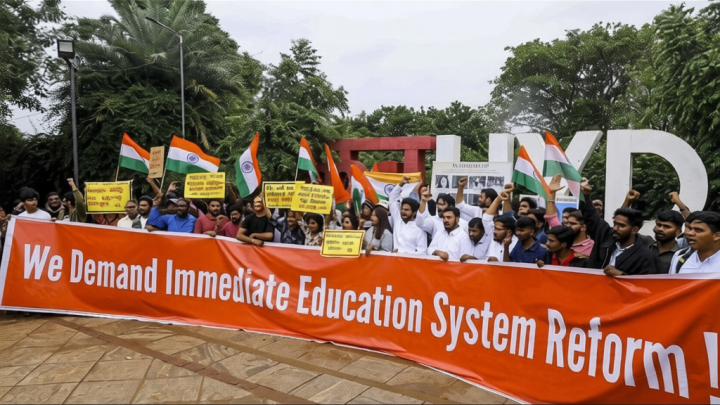
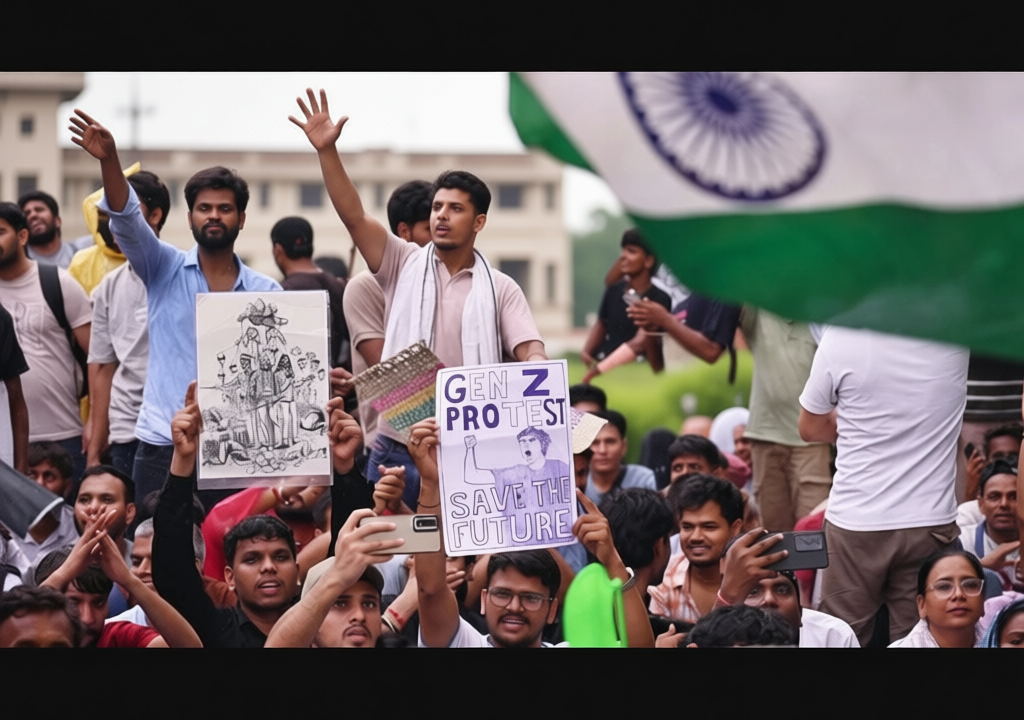
Indiadailyupdate.com – A A Rahim MP files a comprehensive Public Interest Litigation in the Supreme Court of India, challenging the extensive use of surveillance technology by Delhi Police during recent student demonstrations. The Rajya Sabha member has brought forward concerns regarding the deployment of advanced monitoring systems that capture biometric data from citizens without adequate legal safeguards. This legal action specifically targets the facial recognition and fingerprint scanning operations conducted at Jantar Mantar during protests related to the NEET-UG examination paper leak controversy.
The petition argues that the current surveillance framework lacks proper regulatory oversight and potentially violates citizens’ fundamental right to privacy. According to the filing, Delhi Police utilized multiple technological tools simultaneously to monitor protesters, including real-time facial recognition cameras, AI-powered identification systems, and mobile fingerprint scanners. These devices collected biometric information from students, journalists, and bystanders who were participating in peaceful demonstrations.
“The surveillance operations conducted during the NEET-UG protests raise serious questions about the constitutional validity of biometric data collection without legislative backing,” the petition states.
Legal Challenges and Constitutional Concerns Raised
A A Rahim MP files this PIL on multiple legal grounds, citing violations of both the Criminal Procedure (Identification) Act of 2022 and the landmark KS Puttaswamy judgment delivered by the Supreme Court in 2017. The petition emphasizes that the Puttaswamy ruling established privacy as a fundamental right under Article 21 of the Indian Constitution, and any surveillance mechanism must satisfy the test of proportionality and necessity.
The legal document requests the apex court to issue directions preventing law enforcement agencies from using facial recognition technology and other biometric identification tools at public assemblies until Parliament enacts comprehensive legislation governing such surveillance practices. The petition further argues that the existing legal framework does not adequately address issues related to data retention, usage limitations, and the rights of individuals whose biometric information is being collected.
Additionally, the PIL seeks specific relief measures including the deletion of biometric records belonging to innocent citizens from the National Automated Fingerprint Identification System (NAFIS) and the Crime and Criminal Tracking Network and Systems (CCTNS) databases. The petition also demands transparency regarding the commercial entities involved in operating surveillance equipment and processing public data during the protests.
The filing identifies several private companies that participated in the surveillance operations, including Aditya Infotech Limited, which operates under the brand name CP Plus, and Dimension NXG Private Limited, associated with the AjnaLens smart eyewear system. These organizations reportedly managed the deployment of monitoring devices and maintained databases containing biometric information of individuals captured during the demonstrations.
In a parallel development, Aishe Ghosh, former president of the Jawaharlal Nehru University student union and member of the Students’ Federation of India, has filed a separate petition challenging the Delhi Police’s surveillance methods. This additional legal action underscores growing public concern about the expansion of monitoring technology in democratic spaces and the need for stronger regulatory mechanisms to protect citizens’ privacy rights in the digital age.