After CJP Warning, Bihar Govt Drops NEET Protest Legal Action
Government Reverses Decision on Detained Students and Volunteers
Indiadailyupdate.com – After CJP warning Bihar govt drops legal proceedings against students and volunteers involved in NEET-related demonstrations. The Bihar state administration has officially announced its decision to withdraw all punitive measures targeting student demonstrators and volunteers who participated in protests linked to the Cockroach Janta Party. This significant policy reversal comes immediately after the satirical political organization issued a firm warning to authorities regarding potential escalation of nationwide demonstrations if their demands remained unaddressed.
The comprehensive policy shift encompasses all individuals who joined CJP-affiliated rallies within Bihar’s boundaries prior to 6 PM on July 26 and subsequently faced mass detention by law enforcement agencies. According to an official directive issued by the state’s home ministry, the procedure to withdraw all pending First Information Reports, criminal complaints, and show-cause notices will commence without any further delay. This administrative action represents a substantial concession to the protesting groups.
“The legal process for withdrawal of all existing First Information Report (FIRs), criminal complaints or showcause notice (against them) … will be initiated immediately,”
The official announcement further confirmed that those held during the crackdown would be freed and granted protection from future legal proceedings stemming from the CJP demonstrations. This blanket protection ensures that detained individuals will not face additional charges related to their participation in the protests.
Background and Context of Mass Detentions
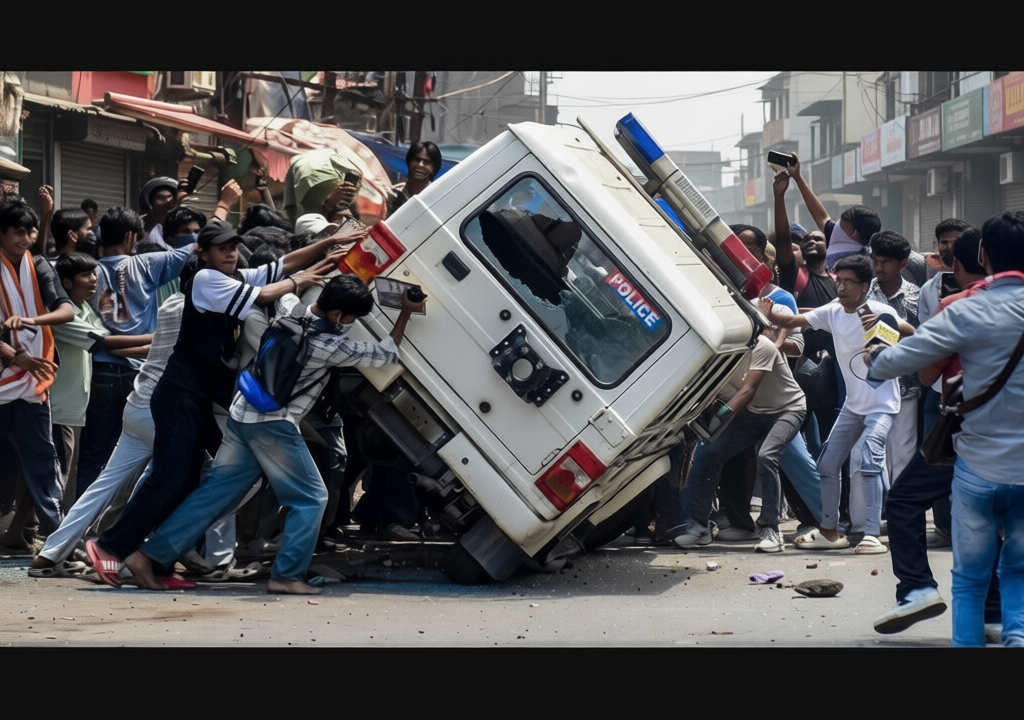
The reversal follows intense criticism of the Bihar Police’s forceful response to the demonstrators, which drew condemnation both within and beyond the state borders. Law enforcement officials reported that approximately 700 individuals were taken into custody statewide in relation to the July 25 strike. The scale of detentions prompted widespread debate about the proportionality of the police response.
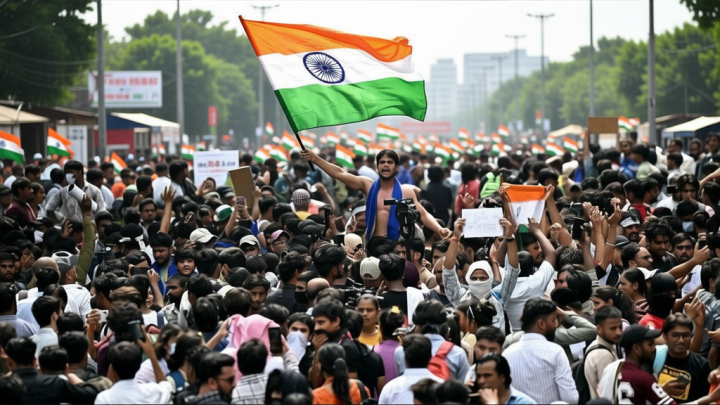
The demonstration was coordinated by the All-India Students’ Association (AISA) alongside the Revolutionary Youth Association (RYA), expressing solidarity with the CJP’s ongoing sit-in at Delhi’s Jantar Mantar. The protest demanded greater accountability in the education sector, particularly regarding NEET examination procedures and related policies. This coordinated effort demonstrated the growing influence of student organizations in national political discourse.
Among those apprehended, judicial custody was ordered for 355 young people, while 339 others—including minors—were set free following age verification procedures. The differential treatment highlighted concerns about the handling of juvenile offenders during the crackdown.
CJP’s Ultimatum and Broader Political Implications
During a Monday press briefing, the CJP highlighted Bihar alongside West Bengal and Delhi as regions where protesters continued facing detention despite the party suspending its demonstrations. This occurred after former Union Education Minister Dharmendra Pradhan tendered his resignation, adding political weight to the protest movement. The timing of these events suggests a coordinated effort to maximize pressure on the central government.
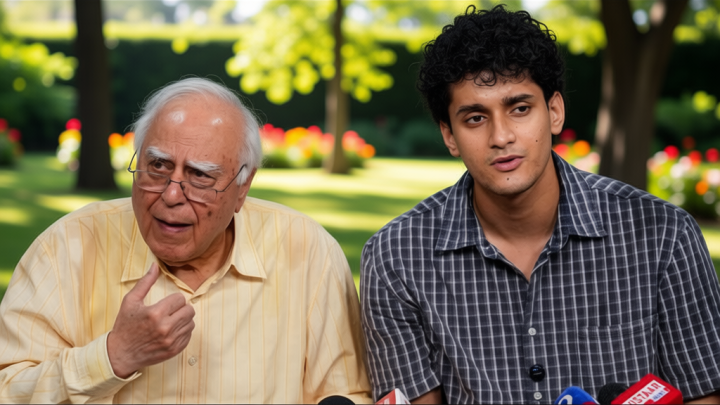
Accompanied by independent Rajya Sabha member and prominent attorney Kapil Sibal, CJP representatives Ashutosh Ranka and Saurav Das issued a stern warning to the central government. They declared that protests would recommence unless the FIRs against demonstrators were cancelled and detainees were released. This ultimatum demonstrated the party’s determination to achieve its objectives through sustained pressure.
The party also criticized the administration for failing to honor commitments made on July 24, when assurances were given that all CJP demands would be satisfied in return for halting the demonstrations. This perceived breach of trust further fueled public support for the protest movement and validated the government’s decision to withdraw legal action.