
Another NEET Issue: Candidate Moves Supreme Court Over NTA Portal Mark Changes
Background: CJP Protests and Educational Reforms
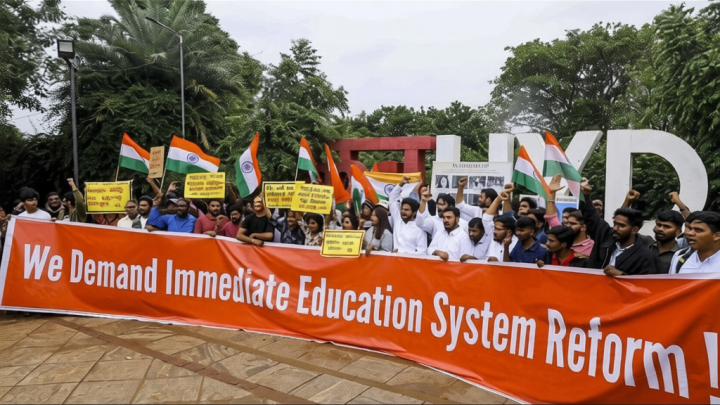
Indiadailyupdate.com – Another NEET issue Candidate moves SC after the National Testing Authority (NTA) experienced a remarkable technical glitch that saw a single candidate’s marks fluctuate three times within just 24 hours. This controversy has emerged against the backdrop of significant educational reforms introduced following the Cockroach Janta Party (CJP) protests over the NEET examination paper leak incident. The central government’s comprehensive reform package included the establishment of fast-track judicial mechanisms and new legislation specifically designed to combat paper leaks in competitive examinations.
Central to these reforms was the creation of an independent advisory committee headed by Nandan Nilekani, the renowned co-founder of Infosys. This committee was tasked with guiding the NTA through systemic improvements and ensuring long-term examination integrity across all national-level tests. The advisory body’s recommendations have been instrumental in modernizing the NTA’s digital infrastructure and result declaration processes.
The Candidate’s Dramatic Score Journey
Amidst these institutional developments, a NEET-UG aspirant has approached the Supreme Court concerning extraordinary discrepancies in his examination results. The candidate, who appeared for the 2026 NEET-UG re-test, had carefully calculated his performance to be approximately 620-640 marks by systematically cross-referencing his responses against the official answer key released by the examination authority.
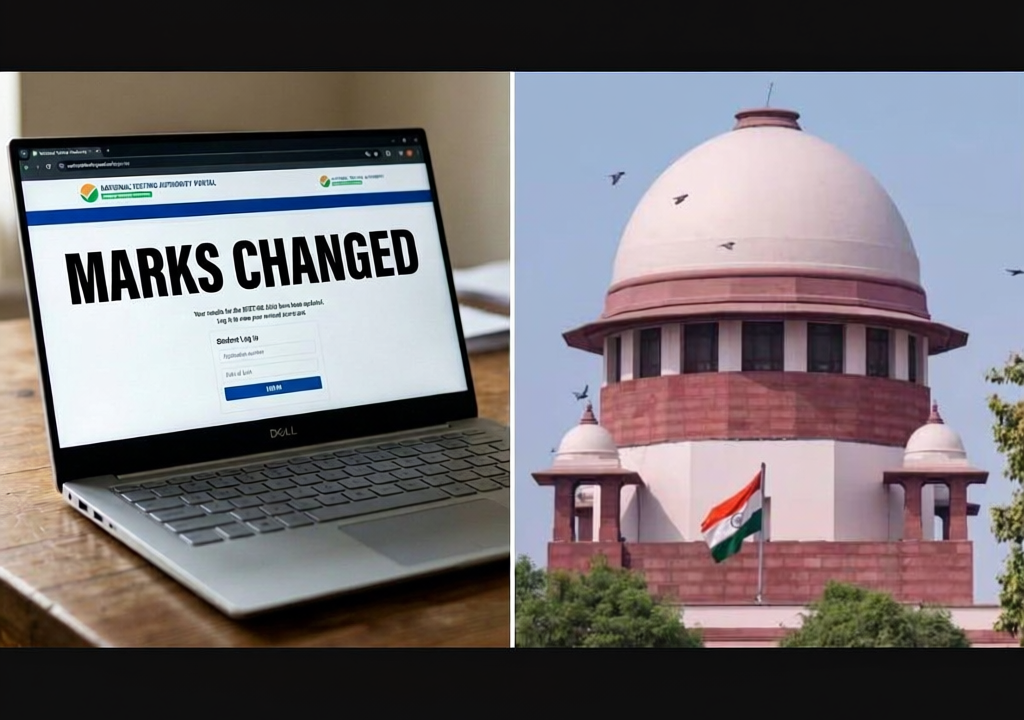
When results were initially published on July 16, the NTA portal displayed a score of 650 marks for the aspirant. However, subsequent attempts to access his results revealed significant and troubling variations. After logging out and returning to the system, the candidate discovered his marks had fallen dramatically to 500. By the following day, the figure had plummeted further to just 135 marks—representing three distinct changes within a single day of result declaration.
Seeking Verification of Original Records
The petitioner stated that despite submitting written inquiries to the NTA and filing a Right to Information application requesting his original OMR answer sheet alongside supporting documentation, no satisfactory clarification was provided. A detailed report from Bar and Bench highlighted these efforts and the candidate’s persistent attempts to understand the discrepancy.
During a visit to the NTA headquarters in New Delhi, officials presented an OMR sheet displayed on their computer system. The candidate contended that this document differed substantially from the one he had personally completed during the examination. According to sources familiar with the matter, NTA representatives maintained that this computer-stored version represented their sole record and would serve as the definitive document should legal proceedings commence.
Notably, the aspirant clarified that his petition does not seek re-evaluation of his marks. Instead, he has requested that authorities preserve and produce both his original OMR sheet and corresponding computer records for independent verification purposes. This approach demonstrates the candidate’s confidence in his original performance and his desire for transparency in the verification process.
The aspirant has now told the apex court that his aim was not for his result to be re-evaluated, but for his original OMR sheet—and its related computer records—to be preserved and produced, so that it could be independently verified.
Implications for NEET Examination System
This case has raised important questions about the reliability of the NTA’s digital result management system. With thousands of students depending on accurate results for their medical education aspirations, such technical glitches can have far-reaching consequences. The Supreme Court’s consideration of this petition could set important precedents for how examination authorities handle similar discrepancies in the future.
The timing of this development is particularly significant given the recent reforms aimed at strengthening the NEET examination process. As the NTA continues to implement recommendations from the Nilekani committee, this case will likely influence future decisions regarding result verification protocols and digital record management systems.