Beyond Secular vs Communal: K. Annamalai’s Strategic Shift and the Rise of ‘We The Leaders’
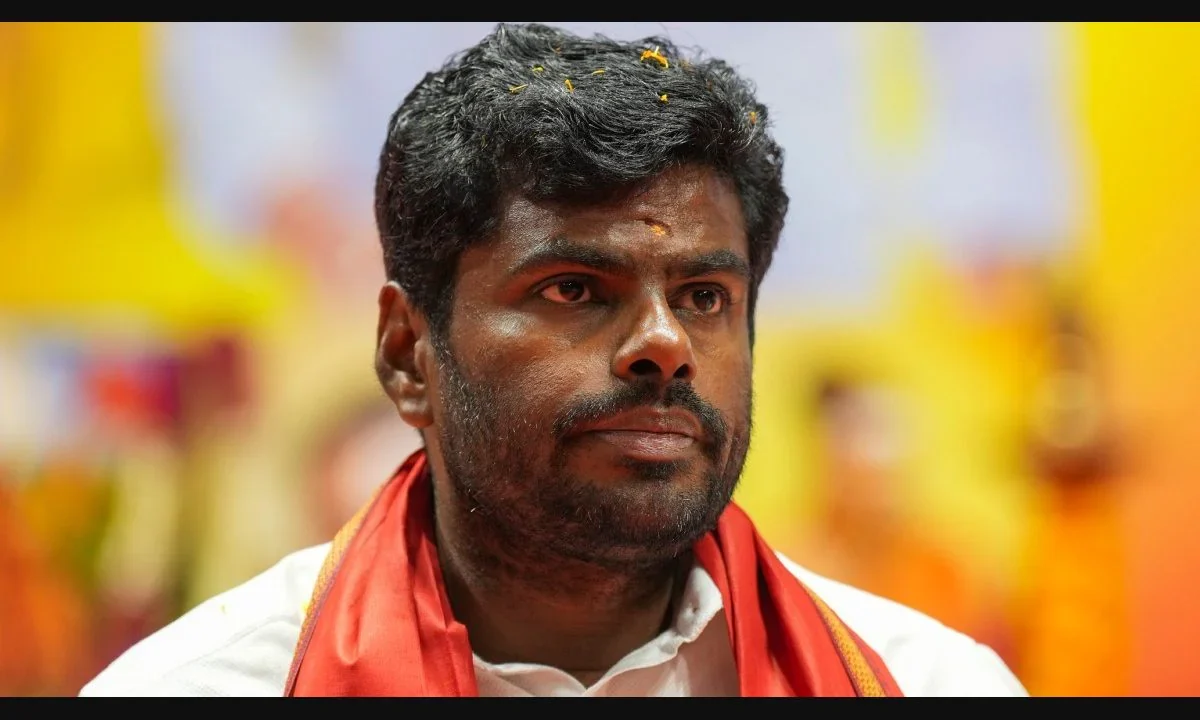
Indiadailyupdate.com – K. Annamalai’s emergence as a political leader is reshaping Tamil Nadu’s traditional dichotomy of secular versus communal identities. The Beyond secular vs communal narrative has taken on new significance as he positions himself outside the BJP’s influence, seeking to redefine regional politics. On July 12, nearly 20,000 attendees at the ‘Drug-Free Pollachi Awareness Conference’ witnessed a pivotal moment in this transformation. The event, held in a village near Pollachi, wasn’t just a platform for anti-drug advocacy—it was a calculated rebranding of Annamalai’s ideological stance. As he returned to the public eye after resigning from the BJP, the atmosphere buzzed with anticipation, signaling the start of a broader political movement. This gathering, dubbed the ‘Pollachi Reset,’ marked a deliberate pivot from national affiliations to a localized, people-centric strategy that challenges the dominance of the Dravidian model in the state.
A New Political Paradigm
By formalizing the ‘We The Leaders’ (WTL) movement, Annamalai has moved beyond being a BJP representative to become an independent architect of a distinct political framework. This shift is more than a personal career move—it represents a structural realignment aimed at addressing voter fatigue with traditional parties. The Dravidian model, long associated with the DMK and its emphasis on linguistic and ethnic identity, has faced criticism for its rigid approach to regionalism. WTL proposes an alternative, anchoring itself in social responsibility and pragmatic governance. Annamalai’s message resonates with a demographic increasingly disillusioned by partisan divides, seeking leaders who prioritize action over ideology.
The rise of entities like Tamil Vellai Kudumbam (TVK) highlights a growing demand for political alternatives that break away from the established order. Annamalai’s movement taps into this by positioning itself as a bridge between regional aspirations and modern governance ideals. His departure from the BJP has allowed him to navigate the complex interplay of secularism and communalism with fresh perspective, avoiding the pitfalls of party-driven polarization. This strategic pivot has positioned WTL as a challenger to the current regime, offering a vision that combines contemporary values with a renewed sense of regional identity.
Reframing Identity Politics
At the Pollachi conference, Annamalai’s declaration—
“I lock up my caste and religion inside my house”—
—was a masterstroke in redefining his public persona. The statement acknowledges his Hindu roots while distancing the WTL movement from majoritarian tendencies. By framing the campaign as a secular space where religious identity is secondary to collective progress, Annamalai addresses the core tension between secular and communal narratives. This approach aligns with the DMK’s anti-Saffron rhetoric but adds a layer of inclusivity, appealing to a broader electorate.
The repositioning is particularly tailored to Gen Z voters, who prioritize effective governance over cultural identity. Annamalai’s long-term vision extends to 2031, where he envisions a disciplined movement replacing aging political structures. This strategy targets a younger demographic that values transparency, accountability, and localized solutions. The anti-recruitment model he advocates emphasizes grassroots engagement, allowing the movement to grow organically rather than relying on formal party machinery. This not only strengthens its appeal but also positions WTL as a viable successor to Tamil Nadu’s evolving political landscape.
Strategic Messaging and Media Presence
Annamalai’s use of social media and community-driven projects has amplified the Beyond secular vs communal message, ensuring it reaches a wider audience. By leveraging platforms like Twitter and Facebook, he crafts a narrative that emphasizes unity and practical solutions. The Drug-Free Pollachi campaign, for instance, serves as a metaphor for his broader political agenda: purging corruption and fostering a new era of responsibility. This alignment between social initiatives and political branding makes WTL’s message more relatable to everyday citizens.
Media engagement has also played a critical role in shaping public perception. Annamalai’s speeches and appearances are designed to highlight his leadership qualities while subtly critiquing the existing political order. Analysts note that his ability to articulate a Beyond secular vs communal vision has helped him carve a niche in Tamil Nadu’s fiercely contested political scene. By focusing on issues like education, employment, and infrastructure, he positions WTL as a party of action, appealing to voters who are weary of ideological debates and eager for tangible outcomes.
Challenges and Opportunities Ahead
Despite his growing influence, Annamalai faces challenges in consolidating support across Tamil Nadu’s diverse regions. The Beyond secular vs communal framework must navigate the state’s linguistic, cultural, and religious complexities. His movement’s success hinges on its ability to address local concerns while maintaining a cohesive national identity. This requires balancing inclusivity with distinctiveness, ensuring that WTL does not get overshadowed by the broader Dravidian movement.
Opportunities abound, however, as the current administration’s policies are scrutinized for their secularism. Annamalai’s movement capitalizes on this by framing itself as a progressive alternative that transcends old divides. His grassroots approach, combined with a clear message of responsibility and reform, positions WTL as a potential disruptor. While the path to power is not guaranteed, the Beyond secular vs communal strategy has already sparked a conversation about the future of Tamil Nadu’s political identity. As the 2026 elections approach, his ability to sustain this momentum will determine the movement’s impact on the state’s governance model.