
Police Detain Three CJP Leaders After Air India Flight Lands in Delhi
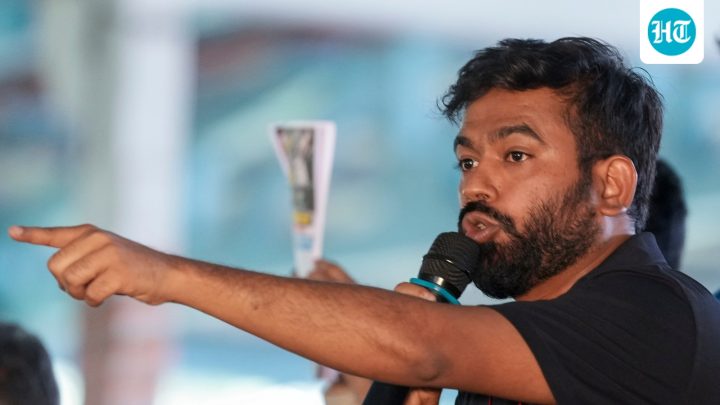
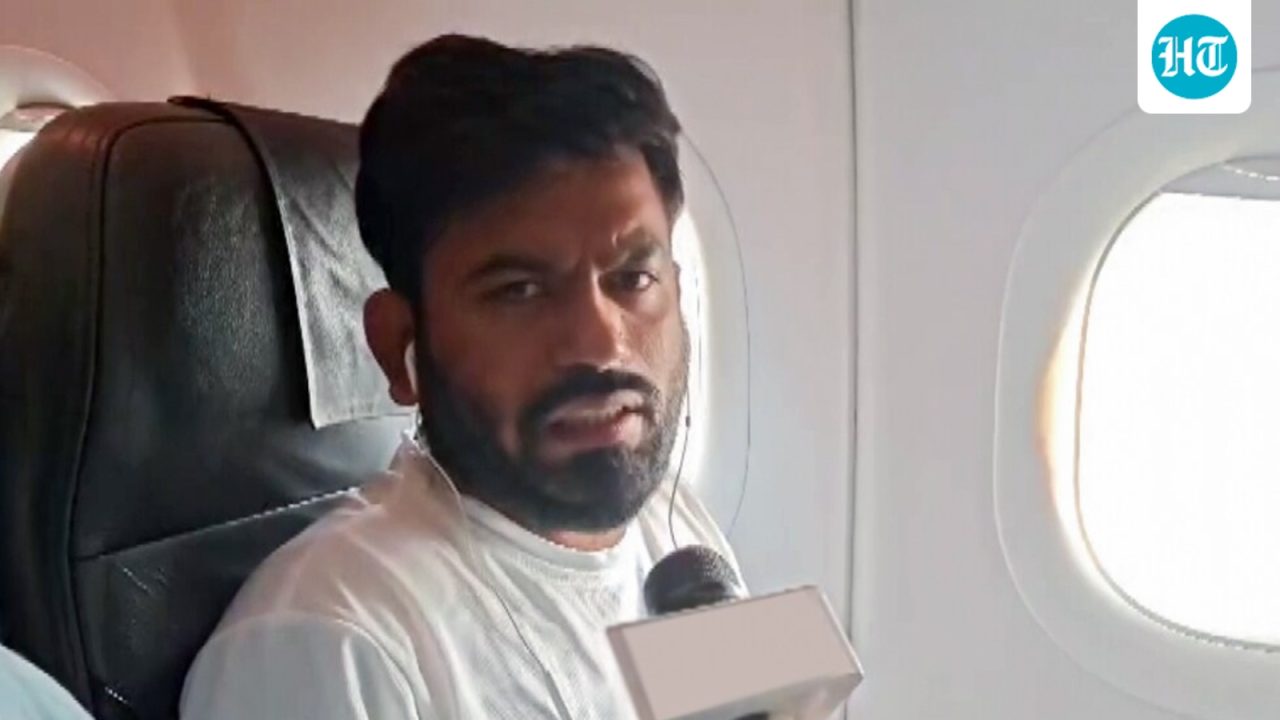
Indiadailyupdate.com – Three leaders of the Cockroach Janta Party (CJP), including founder Abhijeet Dipke, were detained by Delhi Police after their Air India flight from Mumbai landed in the capital on Saturday morning. The officers entered the aircraft after it was parked and took Dipke, co-convenor Saurav Das and co-convenor Ashutosh Ranka from their seats before other passengers disembarked.
The three had travelled to Delhi for a proposed protest at Jantar Mantar seeking the resignation of Chief Election Commissioner Gyanesh Kumar. Their planned demonstration concerned allegations of irregularities in the Special Intensive Revision (SIR) of electoral rolls.
The detention has drawn attention to an unusual operational question: when an aircraft has completed its journey and parked at an airport, who can board it, and what aviation-security rules govern access?
What happened after the flight arrived
The flight touched down at 10.18am. It was subsequently directed to remote bay R12 after the airport’s Airside Operations Control Centre asked air traffic control to assign that parking location. The change in bay was made at the last moment, while police officers and Central Industrial Security Force personnel were already positioned there.
Police, including women officers, approached the CJP leaders seated in 7A, 7B and 7C. A woman sub-inspector informed Dipke that permission for the planned protest had not been granted.
“We are here to be arrested, come and arrest us,”
Dipke said in a video circulated by the party. The CJP described the operation as a “pre-planned interception”. Dipke also said the police could have detained the group after they left the aircraft rather than entering the cabin.
The three leaders were removed first and taken out through cargo gate number 6. An airport official said the arrangement was intended to protect the leaders and avoid disruption for the flight’s other passengers.
How aviation-security responsibilities are divided
The governing framework is set out in the Aircraft (Security) Rules, 2023. The civil aviation ministry notified those rules on August 9, 2023 under the Aircraft Act, 1934. They continue under the Bharatiya Vayuyan Adhiniyam, 2024, which succeeded the earlier legislation.
These rules distribute responsibility across regulators, airport-security agencies, airlines and aircraft operators. They establish broad controls over airport entry and aircraft access, though they do not lay out a detailed, stand-alone process for police to enter an aircraft once a domestic flight has ended.
The Bureau of Civil Aviation Security, or BCAS, is the main civil aviation-security regulator. Its director general handles regulatory and oversight functions and can coordinate with government agencies, airports and airlines on security matters.
At Delhi airport, the CISF is responsible for airport security. Its chief aerodrome security officer has duties that include enforcing access controls within restricted zones, overseeing the movement of people and vehicles through security-sensitive areas, and maintaining coordination with local police and intelligence agencies.
Entry into airport and restricted areas
Rule 22 sets limits on who may enter an aerodrome. Access is generally restricted to bona fide passengers, people carrying a valid aerodrome entry permit or visitor admission ticket, and individuals with written permission from either the BCAS director general or the central government.
Police officers on duty are exempt from the rule’s restriction on carrying weapons into an aerodrome or onto an aircraft. In this case, police personnel were issued special passes allowing them access to the airport premises.
Such access controls matter because the airside area is not a public section of an airport. It includes operational zones where aircraft move, park and are serviced. Entry is therefore subject to security vetting and coordination, even where officials are performing law-enforcement duties.
Who controls access to the aircraft?
Rule 36 places primary responsibility for access to an aircraft with the operator, meaning the airline. The rule requires the operator to control entry to the aircraft and to maintain surveillance beginning with the security search or security check and continuing until the aircraft departs.
“The aircraft operator shall control access to aircraft and maintain surveillance from the security search or check till the departure of the aircraft,”
the rule states.
The wording is significant because it focuses on the period before departure. It does not expressly spell out a separate procedure for police boarding a plane that has already parked at the conclusion of a journey. In practice, any such access takes place within the wider security structure involving the airline, airport operator, CISF and other authorised agencies.
The pilot-in-command also has a defined security role, although it is specifically connected to cockpit access. Airlines must assign responsibility for controlling cockpit entry to the pilot-in-command.
Rules on removing passengers from an aircraft
Rule 8 addresses the removal of a passenger in circumstances involving a threat to the safety or security of the aircraft, its crew or other passengers. Under that provision, the chief aerodrome security officer of the CISF, or an Aviation Security Group officer authorised by that official, may assist in disembarking a person after receiving a written request from the pilot-in-command.
That mechanism begins with the pilot and is tied to safety and security risks aboard the aircraft. The available account of the detention did not indicate that the three CJP leaders were removed under a written request from the pilot-in-command.
A separate power was added through an amendment in 2024. Rule 29A permits the BCAS director general to issue written directions requiring a person or group to leave an aircraft when security interests demand it.
“In the interest of security,”
the provision allows the regulator to give written directions that “require any person or group of persons to leave the aircraft”.
The episode illustrates the overlap between policing and aviation security at a major airport. Law-enforcement action may be carried out in an airside setting, but the setting remains governed by layered access controls intended to protect aircraft operations, passengers and crews. The rules identify the principal authorities and their responsibilities, while leaving some practical questions about post-arrival police entry to coordination among the agencies involved.
Related Reading
Frequently Asked Questions
What is CJP s Abhijeet Dipke 2 others?
CJP s Abhijeet Dipke 2 others is the main topic of this guide. The article explains the context, practical details, and next steps readers should understand.
Why does CJP s Abhijeet Dipke 2 others matter?
CJP s Abhijeet Dipke 2 others matters because readers are looking for a useful answer, not just a short summary. Good content should match search intent and help them decide what to do next.