CJP’s ‘Chalo Sansad’ on July 20: Delhi Police Says No, Abhijeet Dipke Prepares Supporters for Peaceful Parliament March
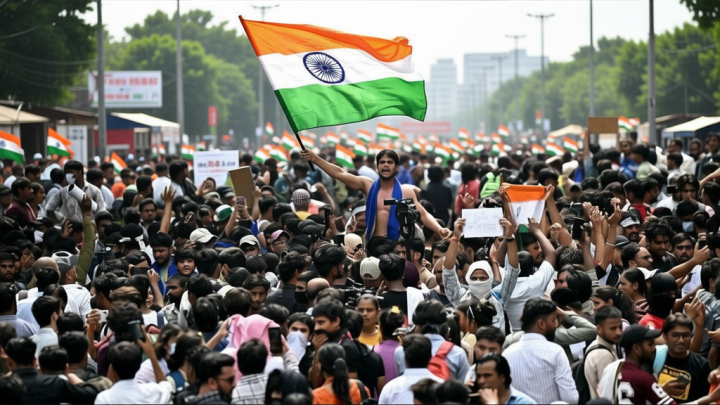
Indiadailyupdate.com – The Confederation of Janata Party (CJP) announced its plan for a historic ‘Chalo Sansad’ protest on July 20, targeting the Indian Parliament to draw attention to pressing political and social issues. Despite the Delhi Police’s initial rejection of the event, CJP founder Abhijeet Dipke has mobilized supporters to ensure the march proceeds peacefully, emphasizing the group’s commitment to non-violence and civic engagement. The event, which has drawn significant public interest, underscores the tension between the opposition and the government ahead of the monsoon session, with Dipke vowing to keep the movement alive regardless of administrative hurdles.
Delhi Police’s Restrictive Measures
Delhi Police has enforced Section 163 of the Bharatiya Nagarik Suraksha Sanhita (BNSS), limiting gatherings of five or more people to the Jantar Mantar site unless prior approval is granted. This directive was shared by Deputy Commissioner of Police (New Delhi) Sachin Sharma on X, clarifying that the protest and its associated procession have not yet received the necessary permissions. The restriction has sparked debate about the balance between public assembly rights and law enforcement control, with critics arguing that the measures could stifle dissent and suppress democratic expression.
As the protest preparations gain momentum, the police’s stance has been seen as a calculated move to manage the scale of the demonstration. However, CJP supporters have remained undeterred, with Dipke encouraging participants to gather in large numbers at Jantar Mantar, ensuring the event’s visibility and impact. The protest’s planned route and timing have also been strategically chosen to maximize public participation and media coverage, highlighting the group’s tactical approach to advocacy.
Public Support and Protest Objectives
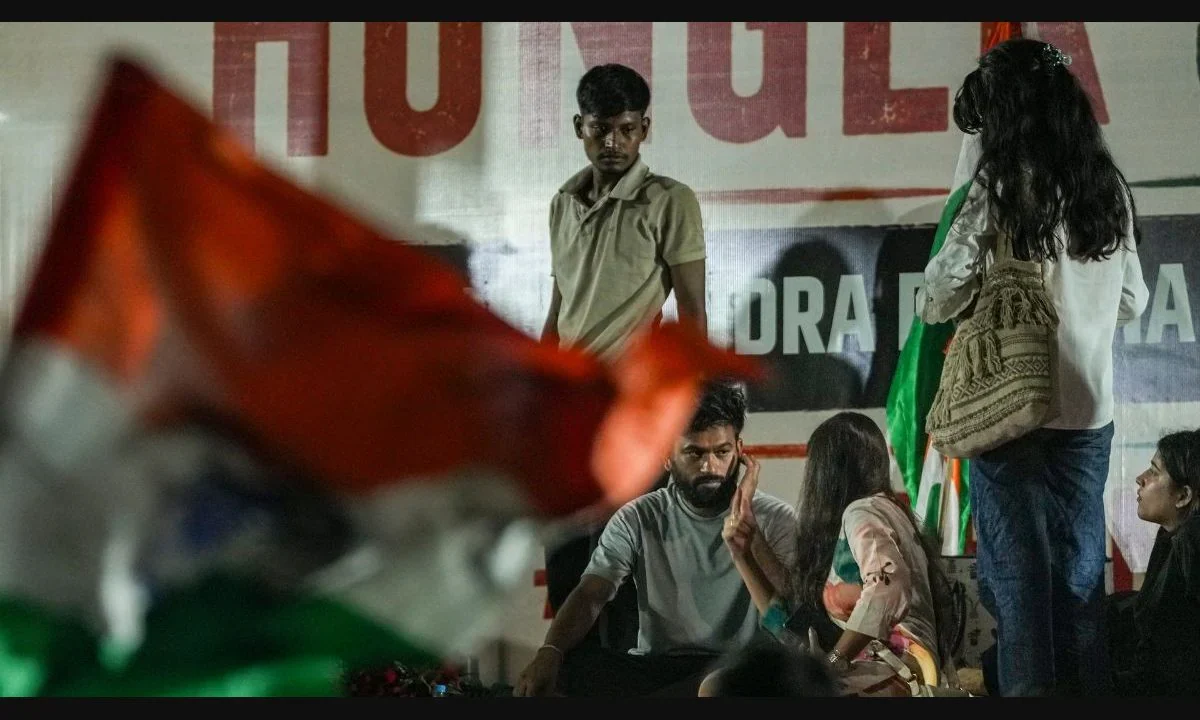
Abhijeet Dipke has been at the forefront of mobilizing public support for the ‘Chalo Sansad’ on July 20, with his team emphasizing the non-violent nature of the demonstration. Despite the Delhi Police’s denial, the movement has already attracted thousands of supporters, who are preparing to stage a prolonged vigil at Jantar Mantar. Dipke’s call for unity and resilience has resonated with many, particularly those who feel the government is not adequately addressing their grievances.
The protest is closely tied to the ongoing NEET paper leak controversy, which has become a major point of contention in the political landscape. CJP’s demand for the resignation of Union Education Minister Dharmendra Pradhan is a direct response to the alleged corruption and mismanagement in the examination system. This issue has galvanized public opinion, with the ‘Chalo Sansad’ serving as a platform to amplify calls for accountability and transparency in education policy.
From Protest to Hunger Strike: A Unified Front
As the ‘Chalo Sansad’ on July 20 looms, the movement has expanded its reach through a coordinated hunger strike led by Sonam Wangchuk, a prominent figure in the CJP’s activities. The hunger strike, which began on June 28, has been sustained even after Wangchuk’s hospitalization at Safdarjung Hospital, with his wife, Gitanjali Angmo, confirming that he was denied exit from the facility. Dipke, who has also embarked on an indefinite hunger strike, has framed the action as a show of solidarity with Wangchuk and a testament to the movement’s determination.
The Delhi High Court’s recent ruling on Wangchuk’s interim relief has further intensified the situation, with the court supporting the Centre’s intervention and acknowledging the hospital’s decision to restrict his movement. Angmo has since stated that Wangchuk is ready to suspend his hunger strike on Monday if political leaders guarantee that accountability in the education sector will be addressed during the monsoon session. This legal battle has brought renewed focus to the group’s demands, as it intertwines with the broader narrative of the ‘Chalo Sansad’ and the push for systemic reform.
The CJP’s strategic use of both public marches and personal sacrifices reflects a multifaceted approach to activism. By combining large-scale demonstrations with individual acts of protest, the group aims to maintain pressure on the government while keeping the movement in the spotlight. The ‘Chalo Sansad’ on July 20 is not just a political event but a symbol of collective resolve, with supporters preparing to defy administrative barriers to achieve their goals.