
Expired Licence Behind Ahmedabad Firecracker Unit Explosion: What We Know So Far
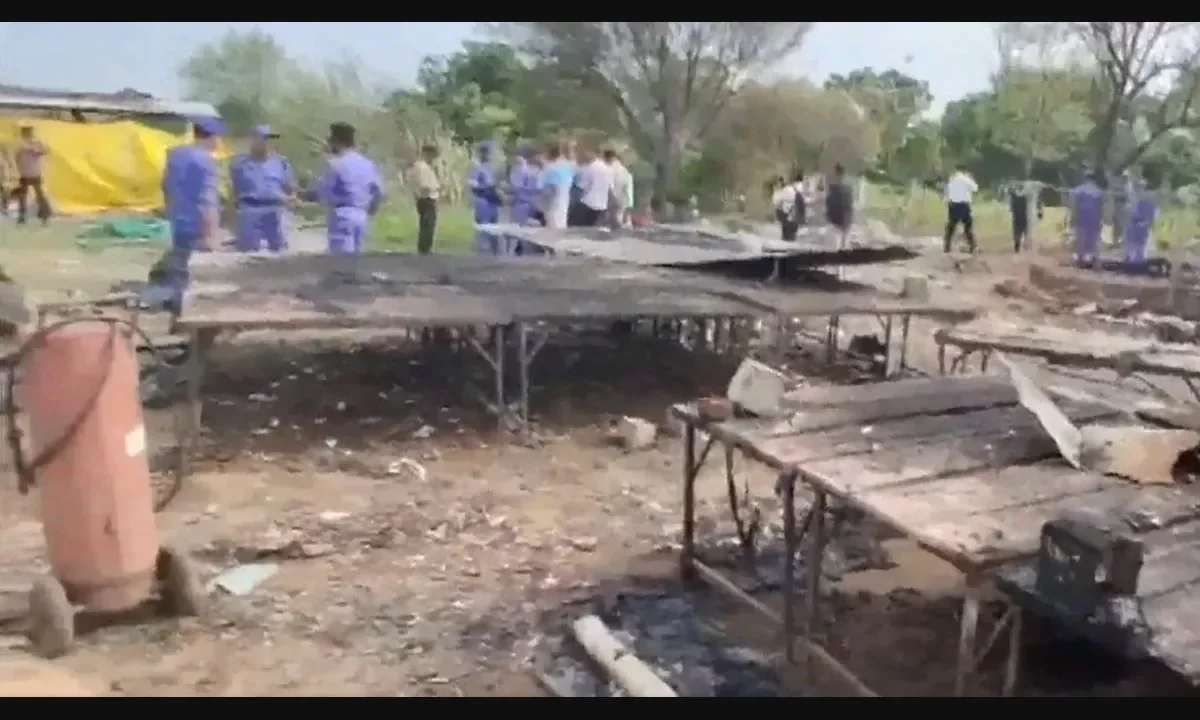
Indiadailyupdate.com – Authorities are investigating whether an expired licence played a critical role in the tragic explosion at a firecracker unit in Ahmedabad, which occurred on July 18. The incident at the Talent Fireworks Factory in Mehmudpura, located on Ramol-Gatrad Road, resulted in at least eight fatalities and multiple injuries, prompting immediate emergency response efforts. The blast, which erupted around 3:30 PM, caused severe damage to the premises and affected approximately 12 to 15 individuals, with some in critical condition. Initial reports suggest the factory had been operating without a valid license, raising questions about its compliance with safety regulations.
Regulatory Lapses and Factory Operations
The explosion has drawn attention to potential regulatory violations at the factory. Joint Commissioner of Police Jaipal Singh Rathore confirmed that the unit had been functioning on an open farm without a proper license, a detail that has become central to the inquiry. This oversight may have contributed to the disaster, as safety protocols are typically enforced through licensing requirements. Investigators are now examining whether the factory’s operations were conducted in a permitted area and whether it had the necessary Fire No Objection Certificate (NOC) to operate safely.
The factory’s location on an open farm has sparked debate about industrial zoning and risk management. While open farms are often used for manufacturing due to their space, they must still adhere to strict safety standards. Questions remain about whether the unit’s setup met these criteria, especially in terms of storage, handling, and ignition processes. The fact that the license had expired suggests possible negligence in maintaining compliance, which could have left the factory vulnerable to accidents.
Emergency Response and Victim Support
Emergency services, including the Rapid Action Force and Ahmedabad Fire and Emergency Services, rushed to the scene within minutes of the blast. Their swift action helped rescue trapped workers and evacuate nearby residents. The situation was compounded by the factory’s proximity to residential areas, increasing the risk of casualties. As of the latest updates, the number of confirmed deaths has risen to eight, with several more reported missing. The injured are being treated at local hospitals, and officials have assured that medical teams are fully mobilized to handle the crisis.
Prime Minister Narendra Modi expressed condolences for the victims through an X post, stating that an ex-gratia of Rs. 2 lakh would be provided to the next of kin of each deceased, while the injured would receive Rs. 50,000. This gesture highlights the government’s commitment to supporting affected families. However, the incident has also prompted calls for stricter enforcement of safety laws, as the expired licence may have been a red flag ignored by the factory operator.
Investigators are now piecing together the timeline of events leading up to the explosion. Preliminary findings indicate that the factory may have been operating in violation of safety guidelines for an extended period. This includes potential issues such as improper storage of volatile materials, lack of fire safety equipment, and insufficient emergency protocols. The expired licence could have been a direct factor, as it would have removed the factory’s legal right to operate, forcing it to rely on outdated or inadequate procedures.
The explosion has become a focal point for discussions on industrial safety in Ahmedabad, a key hub for firecracker manufacturing in Gujarat. Experts warn that similar incidents could occur if regulatory compliance is not prioritized. The factory’s operator, Mehul Dodia, faces charges under the Bharatiya Nyaya Sanhita and Explosives Act for continuing operations despite the license being revoked. This case is expected to set a precedent for holding industrial units accountable for safety breaches.
As the investigation unfolds, officials are working to determine the full extent of the factory’s negligence. The incident has also led to a review of safety protocols for firecracker units in the region. Authorities are likely to scrutinize the licensing process, the factory’s maintenance records, and the actions of regulatory bodies in approving the unit’s operations. The findings could influence future regulations and improve industrial safety standards across Ahmedabad.
Residents and workers in the area have expressed shock at the scale of the disaster, emphasizing the need for better oversight. The explosion not only caused immediate casualties but also disrupted local communities and businesses. With the focus keyword “expired licence behind Ahmedabad firecracker” now central to the narrative, the case serves as a stark reminder of the consequences of regulatory lapses in high-risk industries. As more details emerge, the investigation aims to provide clarity on whether the expired licence was the primary cause or a contributing factor to the tragedy.