Explainer: How ‘Satluj’ has reopened Punjab’s political fault lines
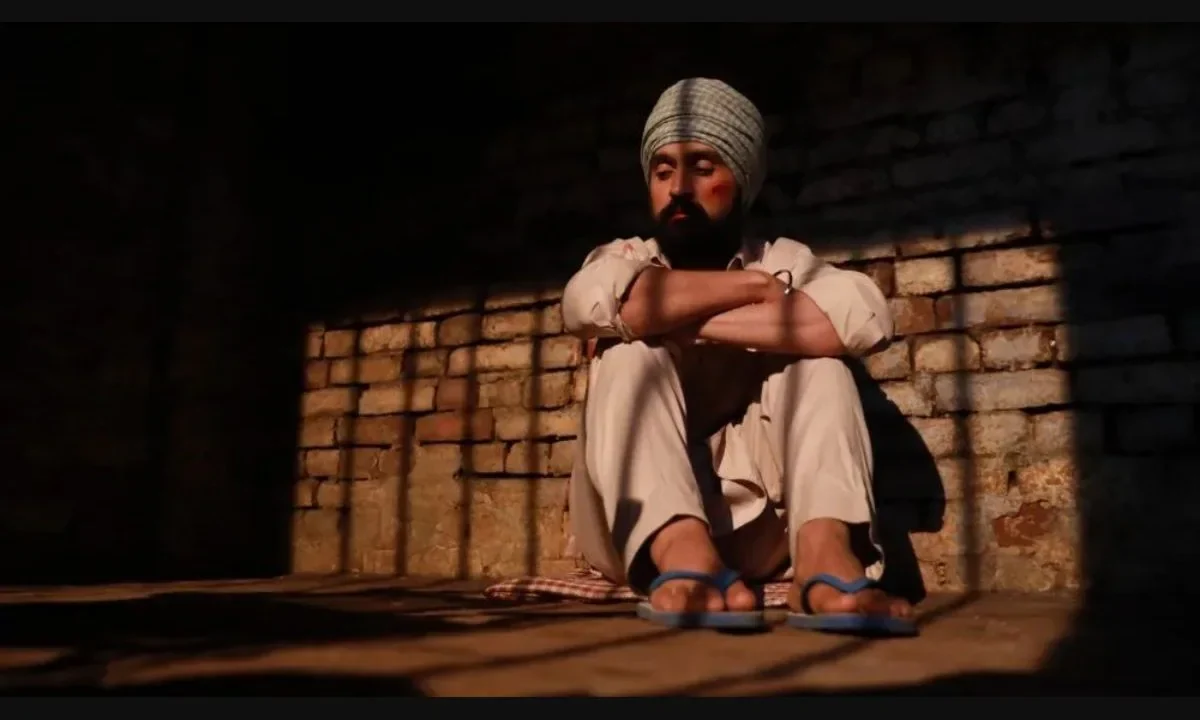
Indiadailyupdate.com – This Explainer explores how the film ‘Satluj’ has reignited debates in Punjab’s political landscape, shedding light on the state’s complex history of human rights abuses, police excesses, and the lingering impact of militancy. The cinematic release of the film, starring Diljit Dosanjh and directed by Honey Trehan, brought renewed attention to the 1995 abduction and murder of Jaswant Singh Khalra, a human rights activist whose case remains a symbol of Punjab’s turbulent past. Despite being certified for release after a prolonged certification battle, the film was swiftly withdrawn from Indian platforms by the Union government, sparking widespread discussions about its role as an Explainer of historical grievances and its relevance to contemporary politics.
Historical Context and the Film’s Narrative
The film ‘Satluj’ is rooted in the events of the 1990s, a period marked by intense conflict in Punjab between the state government, Sikh militant groups, and the broader Indian public. Khalra’s investigation into the disappearance of 25,000 individuals and the unlawful cremation of bodies during the insurgency forms the core of the film’s narrative. These claims, which have long been debated, are portrayed as a critical moment in the state’s history, with the movie serving as an Explainer of the systemic issues that fueled public outrage. The film’s release on ZEE5 on July 3, 2026, was followed by its abrupt removal, which only heightened its symbolic significance in the eyes of many.
While the Union government argued that the film’s certification process was incomplete, critics viewed this decision as an attempt to control the narrative surrounding Punjab’s past. The film’s withdrawal has led to a surge in online engagement, with copies circulating extensively on YouTube and social media platforms. Volunteer groups have organized screenings in gurdwaras and community spaces, using the film as an Explainer of the state’s history and a rallying point for political movements. The Akal Takht, a key Sikh religious institution, has endorsed these efforts, emphasizing the need for a balanced perspective on the events of the 1990s.
Political Reactions and Electoral Implications
The controversy surrounding ‘Satluj’ has become a focal point in Punjab’s political discourse, especially with the 2027 assembly election approaching. Union minister Ravneet Singh Bittu criticized the film, questioning the evidence behind its claims and calling for equal recognition of all victims, including Hindus and government employees. His comments underscored the government’s attempt to frame the film as a partisan tool, rather than an objective Explainer of historical events. However, opposition leaders from the Shiromani Akali Dal and AAP have defended the film, arguing that it serves as a vital Explainer for the public’s understanding of Punjab’s political legacy.
“Militancy had no religion. Every victim deserved to be remembered,” Bittu stated.
Meanwhile, BJP members like Harbhajan Singh and Vikramjit Singh Sawhney have supported the film, highlighting its potential to influence voter sentiment. The Akal Takht’s endorsement further amplified the debate, positioning the film as a cultural and political weapon. As the 2027 elections draw closer, the film’s removal has become a talking point in campaign strategies, with political parties using it to highlight their stance on justice, memory, and accountability. The film’s role as an Explainer is now intertwined with the electoral narrative, reflecting how historical issues continue to shape modern politics in Punjab.
The film’s impact extends beyond its immediate political implications, as it has sparked a broader conversation about the role of media in shaping historical memory. ‘Satluj’ is not just an Explainer of Khalra’s story but also a reflection of the evolving tensions between Punjab’s ruling parties and the state’s historical narrative. Its presence on digital platforms and grassroots screenings has ensured that its message reaches a wider audience, challenging the mainstream political discourse and offering a more nuanced view of Punjab’s past. This shift underscores the growing influence of media as an Explainer in political campaigns, particularly in states with a rich and contested history.
In conclusion, ‘Satluj’ has emerged as a powerful Explainer of Punjab’s political tensions, bridging the past and present in a way that resonates with both historical memory and current electoral dynamics. By focusing on Khalra’s legacy, the film has reignited debates about police accountability, Sikh identity, and the legacy of militancy. Its removal from platforms has not only increased its visibility but also highlighted the role of censorship in political discourse. As the 2027 elections near, the film’s impact as an Explainer is likely to remain a significant factor in shaping the state’s political future.