Student Activism Through the Decades: Tracing India’s Protest Legacy
Indiadailyupdate.com – On May 3, 2026, allegations emerged regarding a leak in the National Eligibility cum Entrance Test (NEET) question paper. Approximately 22 lakh candidates had sat for the NEET-UG examination, prompting students to call for a thorough probe. As the Central Bureau of Investigation (CBI) carried out its inquiry, the National Testing Agency (NTA) made the decision to cancel the original test and schedule a nationwide re-examination for May 12.
This recent episode echoes a historical precedent. During 1973-74, students mobilized under the Navnirman Samiti banner, backed by the Akhil Bharatiya Vidyarthi Parishad (ABVP), the Bharatiya Jana Sangh (BJS), and the Congress (O). They organized bandhs and strikes across Gujarat, which was then governed by the Congress party, pressing for the resignation of Chief Minister Chimanbhai Patel.
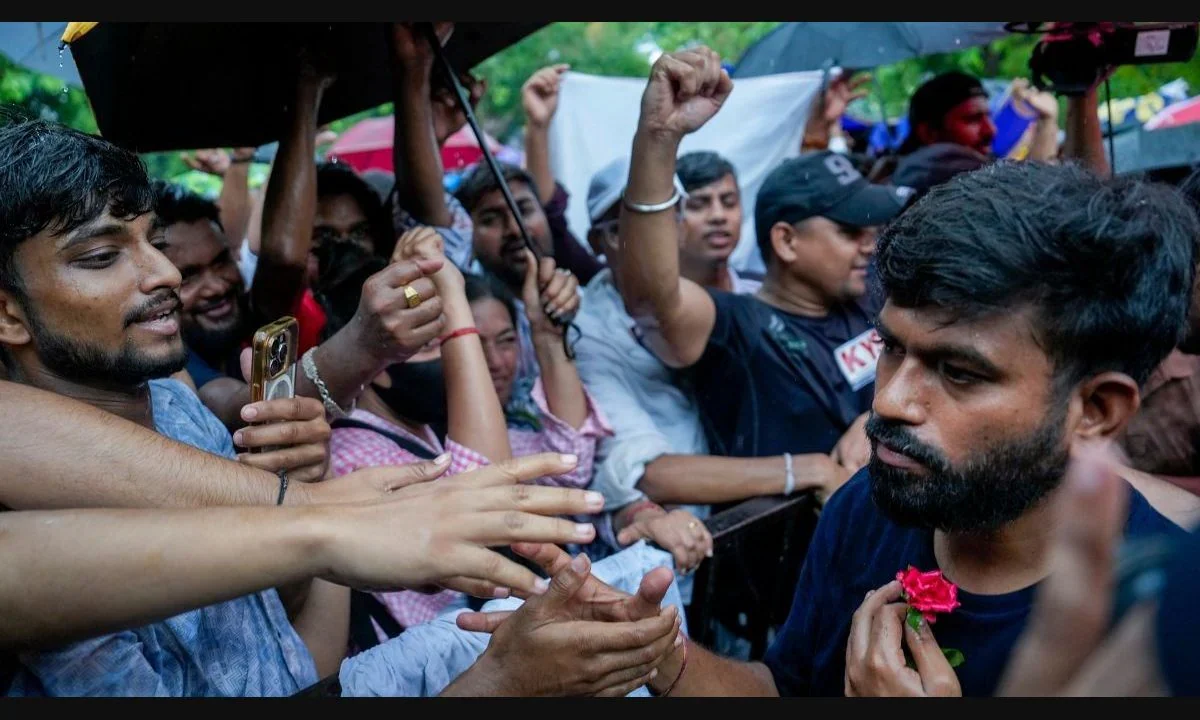
Similarly, the 2026 student demonstrations operated under the Cockroach Janata Party (CJP), a humorous digital movement that originated in response to controversial remarks by Chief Justice Surya Kant. With backing from the Students’ Federation of India (SFI), the All India Students’ Association (AISA), and the Krantikari Yuva Sangathan (KYS), these young activists sought comprehensive examination reforms, greater accountability, and the resignation of Education Minister Dharmendra Pradhan.
Parallel Leadership and Public Figures
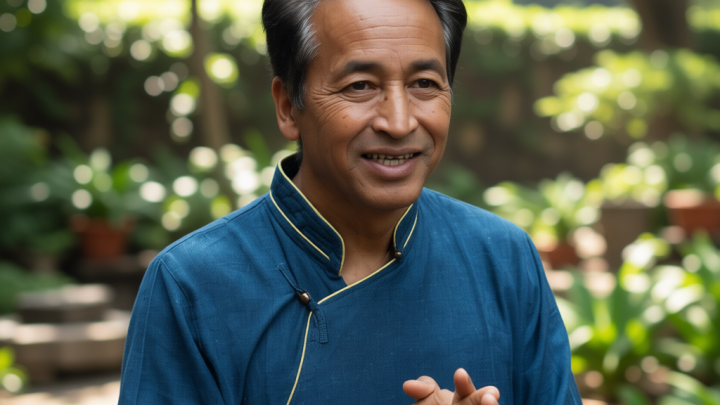
Both movements attracted prominent national figures to lend their support. The Navnirman Movement of 1973-74 welcomed Jayaprakash Narayan, a distinguished freedom fighter and socialist leader, into their ranks. In a striking parallel, the 2026 CJP protest saw Sonam Wangchuk—an educational reformer, innovator, and engineer—voluntarily participate through an indefinite hunger strike.
On July 18, 2026, reports indicated that Sonam Wangchuk was allegedly moved forcefully from his protest location at Jantar Mantar by Delhi Police. He was first taken to Safdarjung Hospital in New Delhi and subsequently transferred to Medanta Hospital.
Escalation and Resignations
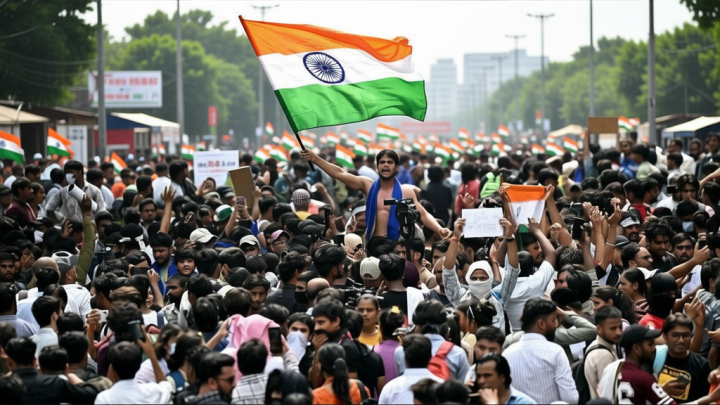
The CJP demonstrators at Jantar Mantar chose to extend their campaign through the ‘Chalo Sansad’ movement on July 20. Students and citizens alike marched toward the Indian Parliament, encountering significant police resistance. The confrontation involved lathicharge, tear gas deployment, and alleged misconduct directed at women protesters.
Protests continued the following morning across Jantar Mantar and central Delhi neighborhoods. Mounting pressure on the Union Government eventually led to results. On July 25, Dharmendra Pradhan submitted his resignation to Prime Minister Narendra Modi, accepting responsibility for the examination paper leaks.
History repeated itself in another way. In February 1974, Chimanbhai Patel also stepped down as Gujarat’s Chief Minister amid intensifying demands from the Navnirman Movement, which had evolved into a statewide demonstration.
Key Figures and Broader Impact
The 1973-74 uprising was driven by student leaders such as Manishi Jani and Narhari Amin, who eventually transitioned into mainstream political roles. Narendra Modi, then a young RSS pracharak and ABVP associate, took part in the protests with organizational support.
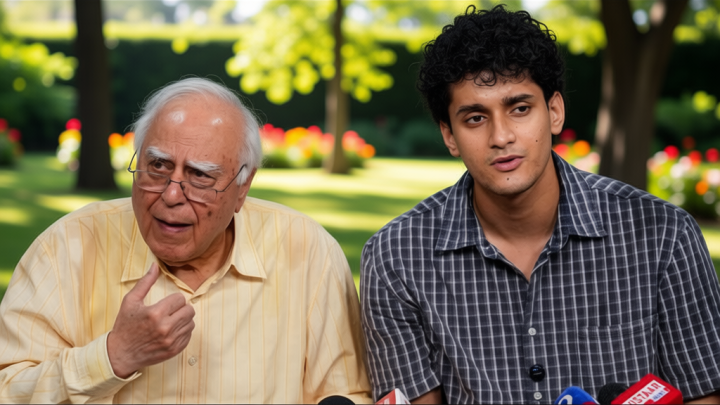
Conversely, the 2026 CJP agitation was led by Abhijeet Dipke, a political communication strategist, alongside Saurav Das, an independent investigative journalist. Through AISA and SFI involvement, student leaders including Neha Bora and Aishe Ghosh emerged as active participants.
The ripple effects of student activism extended beyond Gujarat. Inspired by the Navnirman Movement, Bihar students launched their own demonstrations in 1974 against escalating prices, food shortages, unemployment, and governmental corruption. Organizers extended an invitation to Jayaprakash Narayan, who agreed to join on the condition that the movement would not remain confined to Bihar alone. This broader campaign eventually became known as the JP movement.
“Sampoorna Kranti ab nara hai, bhavi itihas hamara hai”
This slogan, meaning “with total revolution as our motto, the future belongs to us,” originated from the December 1973 protest at the Morbi Engineering College hostel mess in Gujarat. What began as a demonstration against inflated food bills gradually expanded into a mass movement. By 1974, the student-led initiative had drawn participation from various social sections opposing high prices for food grains, cooking oil, and other essential items, alongside grievances about corruption within government institutions. The impact of this student-driven uprising resonated throughout the nation.
For Generation Z, witnessing a student-led protest capture national political attention is no longer unfamiliar. The NEET controversy of 2026 demonstrated how young people continue to mobilize, organize, and demand accountability—just as their predecessors did over half a century ago.