Why MHA Wants to Take Down BitChat: Govt Does Not Like
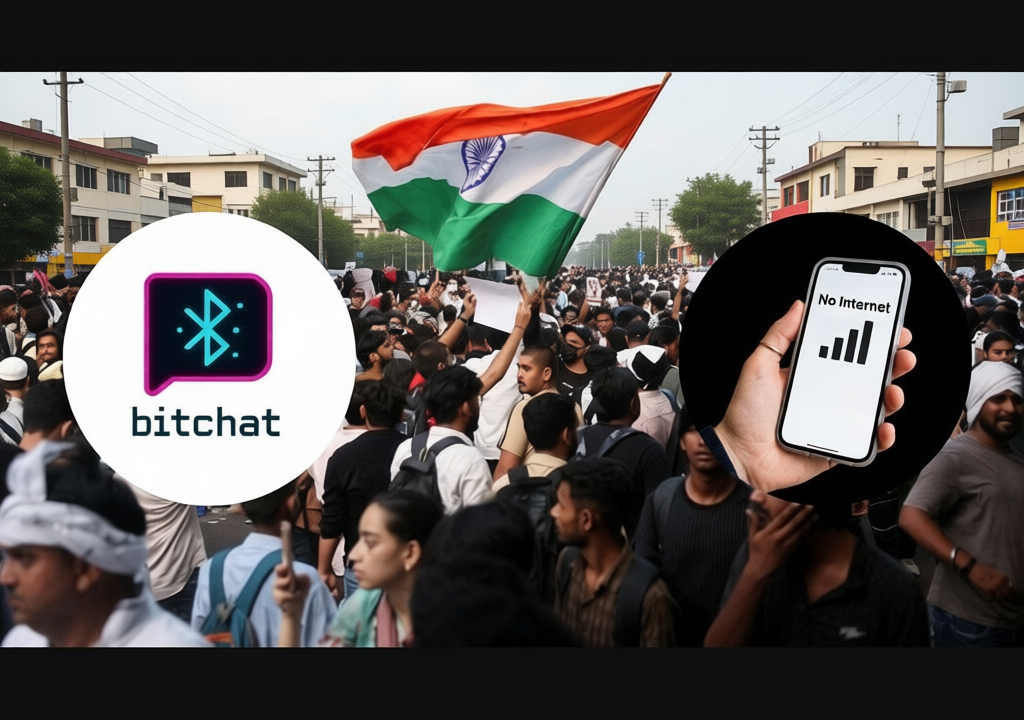
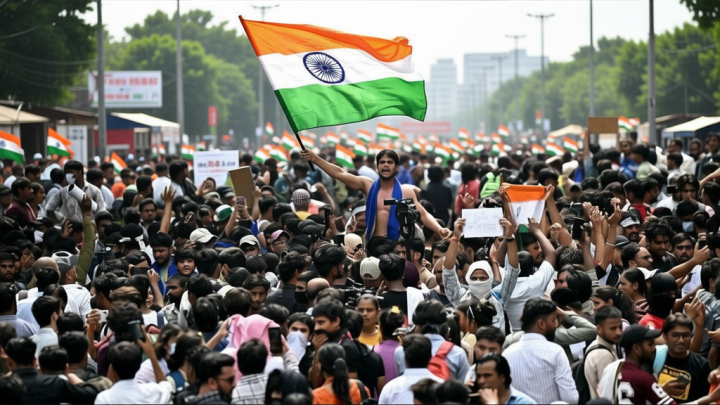
Indiadailyupdate.com – The Ministry of Home Affairs has issued a directive to remove BitChat, a Bluetooth-powered messaging application, as the Cockroach Janta Party’s demonstrations continue to gain momentum across India. Protesters at Delhi’s Jantar Mantar have increasingly relied on this platform to maintain communication during periods when internet access is restricted. The official stance is clear: Govt does not like technologies that operate outside traditional surveillance mechanisms, and BitChat has become a primary target in this effort.
According to the application’s own description, BitChat operates on a framework that requires no internet connection, external servers, or telephone numbers. This architecture supposedly supports resistance against censorship, surveillance mechanisms, and dependence on traditional infrastructure. Users can exchange messages directly with nearby devices through Bluetooth mesh networks, creating a decentralized communication system that is difficult to monitor or control.
Jack Dorsey Reveals Government Concerns
Jack Dorsey, who co-founded X (previously known as Twitter) and established BitChat, publicly disclosed the official directive through screenshots on social media. He shared his interpretation of the situation, highlighting what he perceives as government overreach:
“the Government of India does not like technologies like bitchat and wants it taken down”
The directive originated from the Indian Cyber Crime Coordination Centre, operating under the MHA. It specifically instructed GitHub to either eliminate or restrict access to three separate repositories containing the BitChat application. This action represents a significant move against decentralized communication platforms in India.
Legal Grounds and Technical Concerns
Authorities have raised multiple objections regarding the platform’s capabilities. The MHA characterizes BitChat as a decentralized communication tool that facilitates peer-to-peer messaging through Bluetooth mesh networks. Unlike conventional applications, it functions independently of mobile networks, internet services, and centralized server infrastructure. This independence is precisely what concerns government officials.
Key concerns include the platform’s ability to support anonymous interactions without requiring users to register, verify phone numbers, or maintain centralized communication logs. The directive invokes Section 79(3)(b) of the Information Technology Act, 2000, alongside Rule 3(1)(d) of the IT Rules, 2021. These legal provisions give authorities the power to issue takedown notices for platforms that fail to comply with regulatory requirements.
GitHub received a strict three-hour window to implement the required changes once the notice was delivered. Intelligence assessments cited in the order suggest such platforms might facilitate unauthorized gatherings, violent demonstrations, false information dissemination, criminal coordination, and additional threats to public order. The government’s position is that Govt does not like unmonitored communication channels that could undermine public safety.
Broader Context of Internet Restrictions
On Thursday, the MHA implemented its fifth internet disruption around Jantar Mantar since mid-July. The restriction covers a 1.5-kilometer zone surrounding the protest site and received approval from the Union Home Secretary under provisions of the Telecommunication Act, 2023, and the Telecommunications (Temporary Suspension of Services) Rules, 2024. These restrictions have created an environment where alternative communication methods like BitChat become essential for protesters.
The Internet Freedom Foundation, a civil liberties organization, immediately criticized the directive as both authoritarian and unconstitutional in nature. They argue that targeting decentralized platforms sets a dangerous precedent for digital freedom in India. The organization has called for a review of the government’s approach to internet regulation.
CJP Protest Background
The Cockroach Janta Party has been conducting sustained demonstrations focused on educational accountability. A central issue involves the resignation of Union Education Minister Dharmendra Pradhan, which occurred following revelations about the NEET examination paper leak incident. The satirical collective has gained significant public support for their cause.
Following the announcement of a nationwide protest scheduled for Friday, the central government initiated fresh discussions with the satirical collective to address their demands. The timing of the BitChat directive suggests the government is concerned about the protesters’ ability to coordinate effectively despite internet restrictions. As the situation develops, it remains to be seen whether Govt does not like will become a defining phrase in India’s digital rights discourse.