
India’s First Nuclear-Powered Hydrogen Plant Strengthens Clean Energy Push
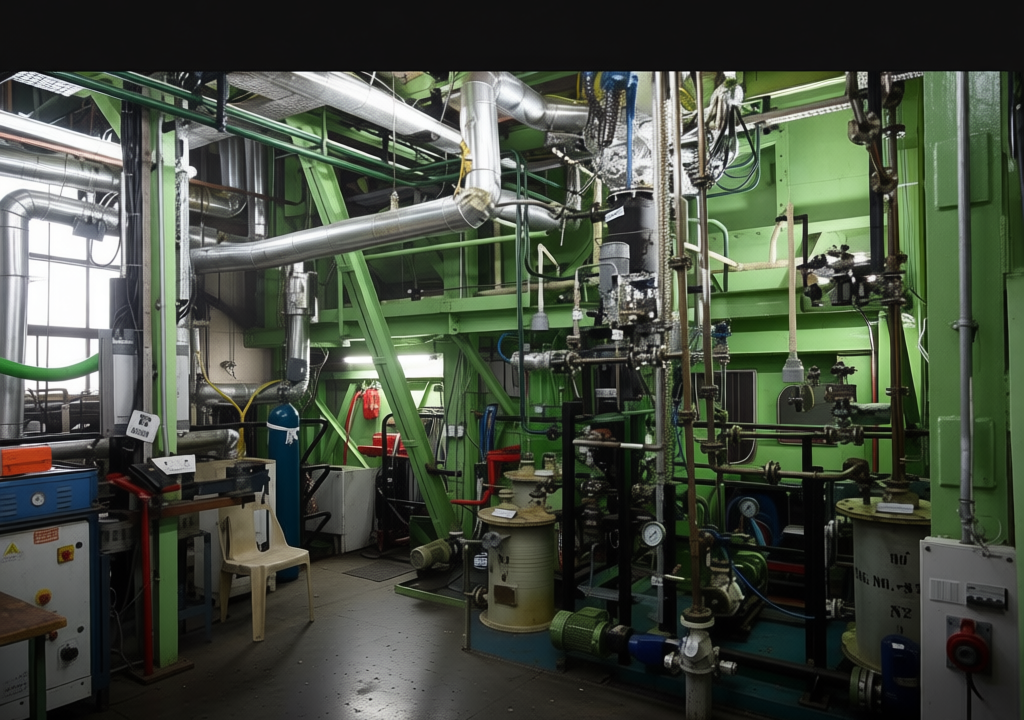
Indiadailyupdate.com – India’s clean energy push has received a significant boost with the inauguration of the world’s first nuclear-powered hydrogen production facility. This milestone, achieved at the Indira Gandhi Centre for Atomic Research (IGCAR) in Kalpakkam, Tamil Nadu, represents a critical step in integrating nuclear technology with sustainable energy systems. The plant utilizes the Copper–Chlorine (Cu–Cl) thermochemical cycle, an indigenous innovation developed by the Bhabha Atomic Research Centre (BARC) in Mumbai. By harnessing nuclear process heat, India is demonstrating its commitment to advancing clean energy solutions and reducing reliance on fossil fuels in the production of hydrogen, a key component in the transition to a low-carbon economy.
Technological Innovation and Strategic Importance
The pilot facility at Kalpakkam leverages heat from the Fast Breeder Test Reactor (FBTR) to generate hydrogen through the Cu–Cl cycle. This method is notable for its efficiency and lower operational temperatures compared to traditional electrolysis techniques, making it more viable for large-scale deployment. The project aligns with India’s broader three-stage nuclear programme, which seeks to expand the use of nuclear energy beyond electricity generation. By incorporating hydrogen production into this framework, India aims to position itself as a leader in carbon-free energy technologies while reinforcing its clean energy push through cutting-edge advancements.
“This integration of nuclear energy with hydrogen production is a game-changer for India’s clean energy push,” remarked Dr. R. K. Singh, Director of IGCAR. He highlighted that the facility’s ability to produce hydrogen without emitting greenhouse gases could revolutionize energy storage and transportation sectors, offering a cleaner alternative to conventional fuel sources. The initiative also underscores India’s strategic focus on diversifying its energy matrix and achieving energy security through indigenous innovation.”
The Path to Carbon-Neutral Hydrogen Production
India’s clean energy push is further solidified by the use of nuclear heat in hydrogen generation, which eliminates the need for fossil fuels in the process. The Cu–Cl cycle, a cornerstone of this project, operates by splitting water into hydrogen and oxygen using heat from nuclear reactors. This process is not only emissions-free but also highly efficient, capable of producing hydrogen at a scale that could meet growing industrial and transportation demands. The facility’s success opens the door for scaling up production, with potential applications in sectors such as steel manufacturing, aviation, and heavy transport, where traditional hydrogen methods face challenges.
India’s Nuclear Infrastructure and Future Goals
The Kalpakkam facility is part of India’s extensive nuclear infrastructure, which includes the Fast Breeder Reactor (PFBR) operational since April 6, 2026. The PFBR, developed by IGCAR, is a key element of the country’s three-stage nuclear strategy, designed to produce fissile material and support the development of advanced reactors. By utilizing this reactor’s heat, India is showcasing its ability to repurpose nuclear technology for alternative energy applications. The plant’s operation is expected to serve as a blueprint for future projects, further accelerating India’s clean energy push and its goal to achieve net-zero emissions by 2070.
Experts have praised the initiative for its potential to address global energy challenges. The Cu–Cl cycle’s ability to operate at lower temperatures reduces the risk of material degradation and enhances safety, making it a preferable option for long-term hydrogen production. This innovation also supports India’s energy security, as it minimizes dependence on imported fuels. With the nation’s clean energy push gaining momentum, the facility is seen as a pivotal achievement in the quest for sustainable and scalable energy solutions. It highlights India’s dedication to leading the global shift toward cleaner technologies while ensuring energy independence.