Indian Flag at Half Mast as India Mourns Former Qatari Emir Sheikh Hamad
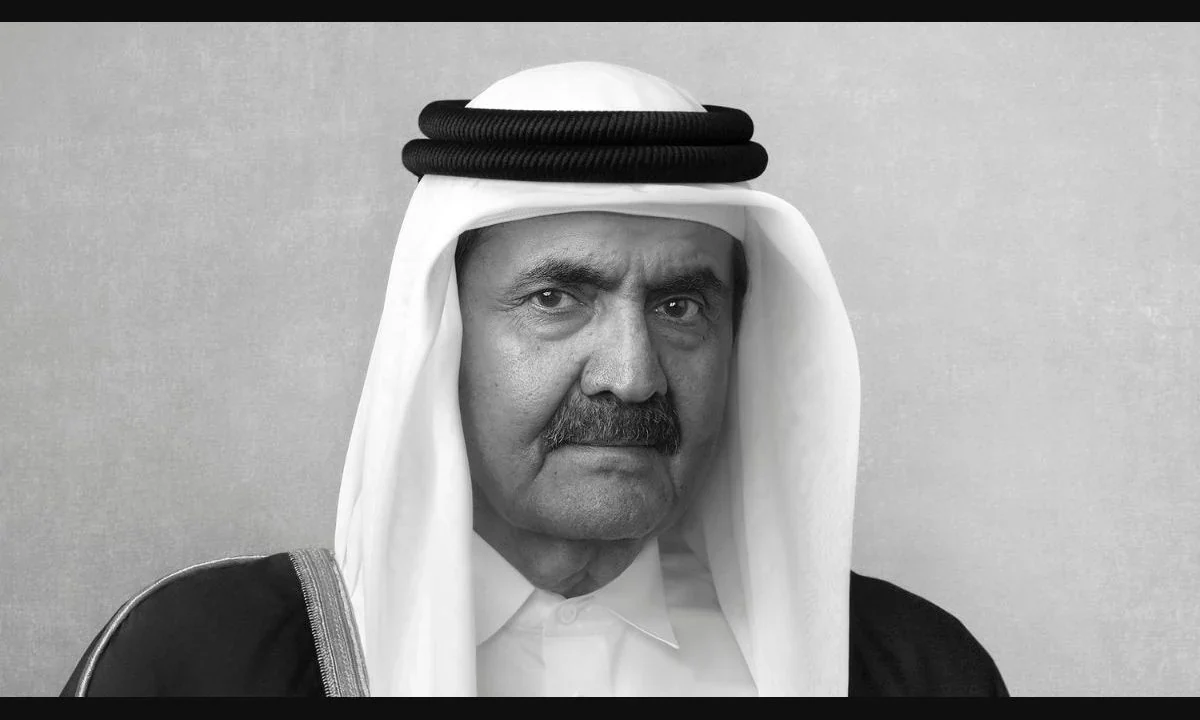
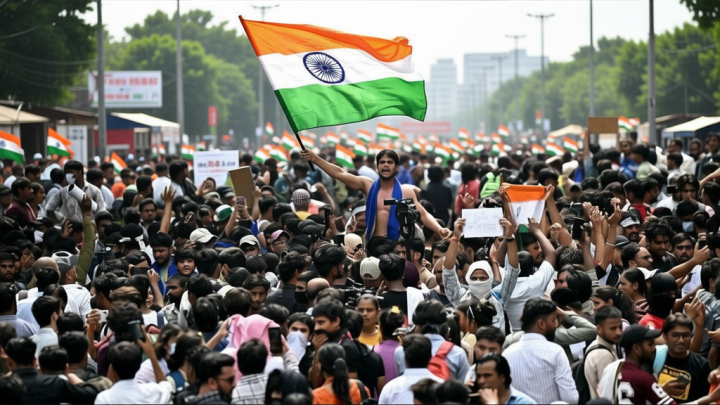
Indiadailyupdate.com – India has officially lowered its national flag to half-mast across the country in honor of the late former Emir of Qatar, Sheikh Hamad bin Khalifa Al Thani, who passed away on July 12, 2026. The Ministry of External Affairs (MEA) announced the one-day mourning period, reflecting the deep diplomatic ties between India and Qatar. This gesture underscores the significance of Sheikh Hamad’s leadership in strengthening bilateral relations, particularly through his pivotal role in advancing India’s energy security. The half-mast flag display is a solemn reminder of the respect and solidarity shared between the two nations, highlighting the impact of his vision on regional cooperation.
Mourning Announcement and Flag Display
The decision to lower the Indian flag to half-mast came after the official confirmation of Sheikh Hamad’s death. As per the MEA statement, the mourning period will be observed on July 13, 2026, with all government buildings and institutions displaying the flag at half-mast. This practice, a common symbol of national mourning, signifies the deep emotional and political connection between India and Qatar. The half-mast flag is expected to remain until the end of the day, with official events temporarily paused to allow for reflection on Sheikh Hamad’s contributions.
“Sheikh Hamad was a visionary leader who guided Qatar to great levels of development and prosperity. We also remember him as a true friend whom I had the honor of meeting during my last visit to Qatar in February 2024,” Prime Minister Narendra Modi wrote on X.
India’s Ministry of External Affairs emphasized that the mourning period is a tribute to Sheikh Hamad’s legacy as a key partner in India’s energy and economic growth. The half-mast flag display is not only a gesture of respect but also a demonstration of the shared values and collaboration that defined their relationship. This moment of collective remembrance highlights the importance of international diplomacy in fostering mutual interests and long-term partnerships.
Sheikh Hamad’s Leadership and Development Legacy
Sheikh Hamad bin Khalifa Al Thani, who served as Qatar’s Emir from 1995 until his voluntary retirement in 2013, left an indelible mark on the nation’s transformation. Under his leadership, Qatar transitioned from a small oil-dependent state to a global hub of economic and social progress. His strategic policies laid the foundation for the country’s modern infrastructure, education systems, and healthcare advancements, which have since become cornerstones of India’s own developmental efforts in collaboration with Qatar. The half-mast flag in India is a symbol of gratitude for his role in ensuring stable energy supplies through the LNG sector.
Qatar’s LNG Infrastructure and India’s Energy Security
One of Sheikh Hamad’s most significant achievements was the development of Qatar’s liquefied natural gas (LNG) infrastructure, which became critical for India’s energy needs. While his father, Sheikh Khalifa bin Hamad Al Thani, initiated the groundwork, it was Sheikh Hamad who oversaw the establishment of Qatargas I, Qatar’s first LNG facility, launched in 1997. This facility marked a turning point in the country’s energy export capabilities, enabling Qatar to become a major supplier of natural gas to India and other countries. The half-mast flag in India today honors the seamless partnership that has ensured uninterrupted energy flows and economic stability for both nations.
India’s reliance on Qatar’s LNG imports began with early agreements established in 2004, during the tenure of Narendra Modi as Gujarat’s chief minister. The Dahej Port in Gujarat became the first site to receive an LNG shipment from Qatar in 1999 under a 25-year agreement. This partnership has since grown, with recent extensions ensuring imports from 2028 onward. The half-mast flag display in India not only commemorates Sheikh Hamad’s passing but also reinforces the enduring bond between the two countries, which has been instrumental in securing India’s energy independence and fostering global trade ties.
“Sheikh Hamad’s leadership has been a beacon of progress for Qatar and a cornerstone of India’s energy strategy. His legacy will continue to inspire future generations of leaders,” stated a senior diplomat in a press release.
India-Qatar Relations and the Role of Diplomacy
Sheikh Hamad’s tenure as Emir coincided with a period of heightened diplomatic engagement between India and Qatar. His efforts to strengthen economic and cultural ties were evident in the numerous agreements signed during his leadership, including the 2012 memorandum of understanding that expanded collaboration in education, healthcare, and infrastructure. The half-mast flag in India is a testament to the respect for his contributions to this partnership, which has also included joint ventures in renewable energy and technology. His vision for Qatar’s global standing has resonated deeply within India’s foreign policy framework, emphasizing the importance of strategic alliances in international affairs.
Additionally, Sheikh Hamad’s diplomatic initiatives helped solidify Qatar’s position as a key player in global trade, which has been beneficial for India’s economic growth. The half-mast flag display during this mourning period also serves as a reminder of the mutual trust and cooperation that have defined their relationship over the years. India’s decision to honor him reflects not only his personal impact but also the institutionalized partnership that has been a cornerstone of their bilateral ties. As the nation observes this one-day mourning, it is a moment to appreciate the legacy of a leader who bridged the gap between two nations through shared goals and collaborative efforts.