Kerala CM Satheesan Defends Low Alcohol Tax, Credits Previous LDF Government
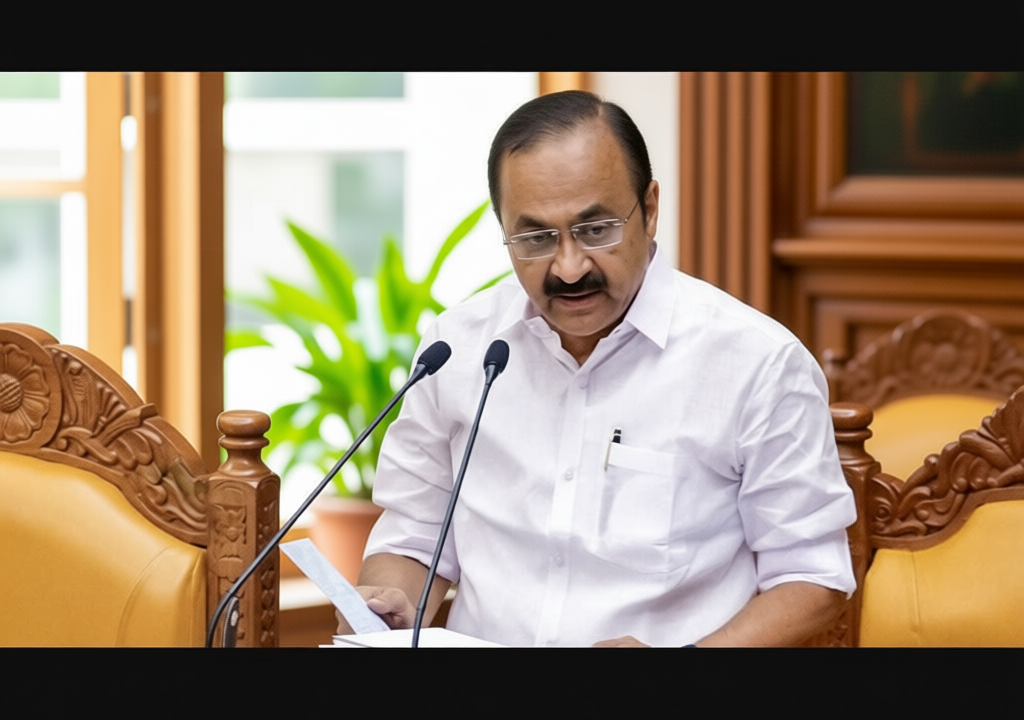
Indiadailyupdate.com – During a recent budget debate, Kerala’s Chief Minister, V.D. Satheesan, defended the decision to implement a lower alcohol tax on low-alcohol-content beverages. The policy, which has sparked significant political discourse, aims to reduce the financial burden on consumers while aligning with the state’s evolving economic landscape. Satheesan clarified that the LDF government had already initiated the process, and the current UDF administration was merely finalizing the implementation. “The process of reducing taxes on low alcohol products was set in motion by the previous government,” he stated, emphasizing that the LDF had laid the groundwork for the tax adjustment before transitioning to the UDF-led administration.
Details of the Tax Adjustment Proposal
The proposed tax cut applies specifically to low-alcohol beverages, defined as those with 0.5 to 20 per cent alcohol content, excluding beer and wine. This shift contrasts with the existing tax structure, where Indian Made Foreign Liquor (IMFL) is taxed at 251 per cent. Under the new plan, drinks with 0.5-10 per cent alcohol would be taxed at 120 per cent, while those with 10-20 per cent would face a 175 per cent rate. Satheesan highlighted that this policy would not only benefit consumers but also encourage the production of more affordable alcoholic beverages. “The reduction in tax for low alcohol content drinks is a strategic move to support local manufacturers and align with the state’s economic goals,” he explained, adding that the decision was based on extensive analysis of market trends and consumer behavior.
“We have been accused of favoring the industry, but the LDF government already took the initiative to set this in motion,” Satheesan asserted, pointing to the previous administration’s role in shaping the policy. He argued that the current UDF government had simply carried forward the process without altering its core objectives. “The LDF had already finalized the tax procedures for low alcohol beverages, and the UDF is now implementing them as planned,” he said, addressing concerns that the tax cut was an election-year maneuver.
Opposition Criticisms and CM’s Response
Opposition leaders, including CPI(M) and Congress representatives, have criticized the tax cut as a move to benefit liquor companies, particularly Bacardi. They claim the policy was introduced to increase profits for such firms, with accusations of corruption and political favoritism. Pinarayi Vijayan, the leader of the opposition, accused the LDF government of having prior agreements with the industry, suggesting that the tax adjustment was a last-minute decision to secure financial support. “The tax cut for low alcohol drinks is a tool to appease the liquor sector, not the public,” Vijayan remarked during the debate.
Satheesan, however, refuted these claims, stating that the LDF had initiated the policy well before the current government took charge. He noted that the tax adjustment for low alcohol beverages was first proposed by the previous administration and that the UDF had merely continued the process. “We are not changing the tax structure arbitrarily. The groundwork for this policy was laid by the LDF, and we are now implementing it systematically,” he said, stressing that the decision was data-driven and aligned with the state’s economic development agenda.
“The LDF had already defined the categories of low alcohol drinks six months after taking office, and the tax structure was finalized. It was not an afterthought but a calculated step,” Satheesan added. He further criticized the opposition for shifting blame onto the current government, arguing that the previous administration had already set the precedent for such tax reforms. “Those who complained about the tax cut for low alcohol drinks are now lecturing us on corruption, but they were the ones who started the process,” he said, pointing to the increase in alcohol consumption in Kerala as evidence of the policy’s success.
Public Reaction and Industry Impact
The policy has generated mixed reactions from the public and industry stakeholders. While some consumers welcome the lower prices, others argue that it may lead to increased alcohol consumption and related health issues. Industry representatives, however, have praised the move as a positive step for affordability and accessibility. “The reduction in tax for low alcohol content drinks will make these products more competitive in the market,” said a spokesperson for a local liquor company. They noted that this change could attract a broader consumer base, particularly young people and first-time drinkers, thereby boosting sales and market share.
Public health advocates have raised concerns about the potential impact of the tax cut on Kerala’s alcohol-related health statistics. They argue that the lower prices might encourage more people to consume alcohol regularly, contributing to issues like liver disease and road accidents. “The LDF government had the opportunity to address these concerns earlier, but they chose to delay the implementation until the next election,” said a local health expert. Despite these warnings, Satheesan remains confident that the policy is a necessary adjustment to support the state’s economic growth and consumer needs.
“The LDF government had already outlined the tax structure for low alcohol drinks, and the UDF is now executing it. We are not responsible for the decision, but for its execution,” Satheesan reiterated. He also highlighted that the previous government had introduced a 78 per cent tax on high-alcohol beverages, which was lower than the current rate for IMFL. “This policy is consistent with the LDF’s approach to balancing industry interests and consumer welfare,” he said, aiming to reassure the public that the tax changes were not an abrupt shift but a continuation of prior economic strategies.