Kerala Man Nabbed for Smashing Emergency Exit Window Mid-Air
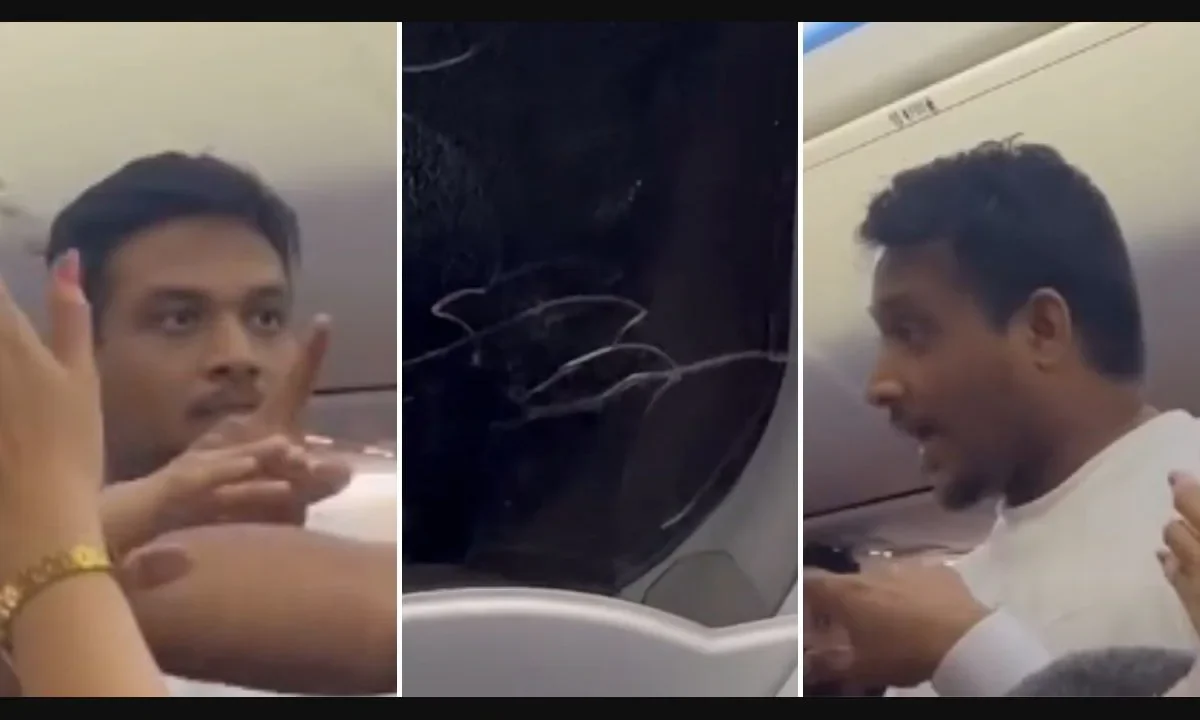
Indiadailyupdate.com – A Kerala man nabbed for smashing an emergency exit window during a mid-air incident has been taken into custody by authorities in Kochi. Jamsheer Athanikkal, a 36-year-old resident of Kootannad in Palakkad district, allegedly attempted to force open the emergency exit while the Batik Air Boeing 737 was cruising at altitude. The incident occurred aboard flight OD231, which was traveling from Kuala Lumpur to Kochi on Wednesday evening. Remarkably, no injuries were reported despite the potentially dangerous situation that unfolded in the cabin.
What Happened During the Flight
The disturbing episode began between 9:30 PM and 11:05 PM during the four-hour journey. Seated in position 12A, Jamsheer reportedly started behaving erratically before delivering powerful kicks to the emergency exit window panel, causing it to shatter completely. Passengers and crew members witnessed the man attempting to pull the exit door open, even as they urged him to remain calm. The primary concern among everyone on board was the risk of cabin pressure dropping rapidly if the door were opened at cruising altitude.
“The pilot would declare an emergency, and would immediately begin an emergency descent (to reduce the cabin pressure difference),” explained Dr David Birch, Senior Lecturer in Aerospace Engineering at Surrey University. This expert insight highlights how modern aircraft are designed to handle such situations safely.
Understanding the Risks
Historical precedents suggest that mid-air emergency exit incidents are generally manageable. A 2017 BBC investigation into comparable events revealed that emergency doors are specifically engineered to stay sealed due to internal pressure. Should the door open regardless of the passenger’s efforts, inflatable slides would deploy automatically but might be ripped away by the force of incoming air. The pilot’s quick response in initiating an emergency descent helps minimize these risks significantly.
How the Passenger Was Subdued
As cabin staff and passengers worked together to subdue Jamsheer, he reportedly made verbal threats that heightened anxiety throughout the cabin. Only after considerable effort was he successfully restrained and secured. Following the landing at Cochin airport, the passenger was transferred to the Central Industrial Security Force (CISF) before being handed over to Nedumbassery Police for formal arrest. Bindu Mohan Nair, Batik Air’s Security In-charge at the airport, filed the official complaint against the passenger.
Investigation and Possible Causes
Initial speculation suggested possible intoxication or a psychological episode as contributing factors to the incident. However, authorities have since dismissed the alcohol theory. “He has not consumed alcohol it seems. Currently, we don’t feel he has mental health issues either but it needs to be confirmed. A detailed investigation is ongoing,” an officer explained. The case remains under active review as investigators piece together the complete sequence of events that led to this dramatic mid-air disturbance.
Passenger Safety Guidelines
This incident serves as a reminder of the importance of passenger behavior during flights. Passengers should familiarize themselves with emergency exit locations and understand that these doors are not to be opened unless instructed by crew members. The pressure differential at cruising altitude can be substantial, making unauthorized opening potentially dangerous for everyone on board.
Frequently Asked Questions
What is the maximum altitude at which emergency exits can be opened?
Emergency exits can technically be opened at any altitude, but doing so at cruising altitude (typically 30,000-40,000 feet) creates significant pressure differences. Aircraft are designed with safety mechanisms to handle such scenarios, including automatic slide deployment and rapid descent capabilities.
What charges can passengers face for opening emergency exits mid-flight?
Passengers may face charges under aviation laws for endangering the flight, property damage, and potentially criminal conspiracy if the act was deliberate. Penalties can include fines, imprisonment, and being banned from future flights.
How do pilots respond to emergency exit incidents?
Pilots typically declare an emergency, initiate an emergency descent to reduce cabin pressure difference, and communicate with air traffic control. They may also request medical assistance if passengers or crew are injured during the incident.
What happens to passengers after such incidents?
Passengers are usually handed over to local police authorities at the destination airport. They may be questioned extensively, and in some cases, charged with offenses related to endangering the flight or damaging aircraft property.