Meeting with J P Nadda: CJP Leaders Accuse Government of Trap
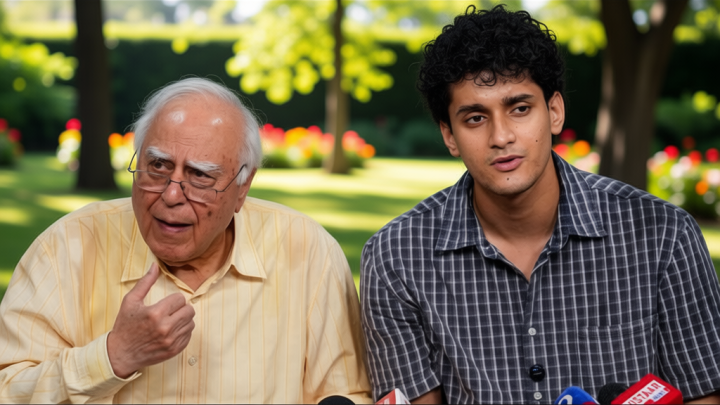
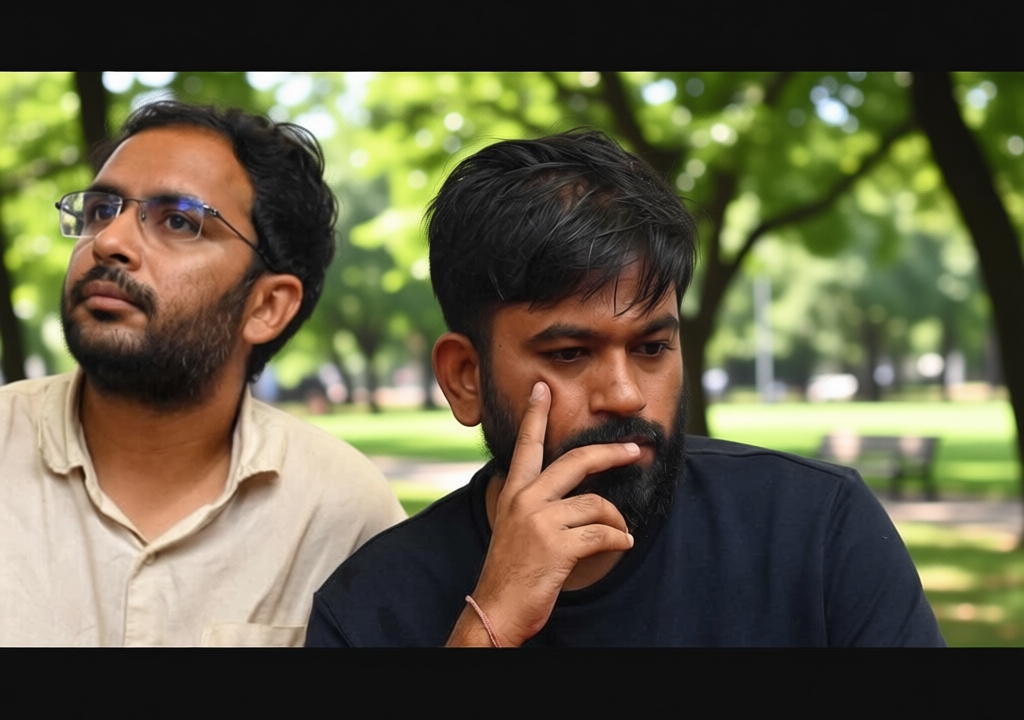
Indiadailyupdate.com – Abhijeet Dipke, the founder of the CJP (Citizens’ Joint Protest), has accused the government of using a meeting with Union Education Minister J.P. Nadda as a strategic move to trap CJP leaders. According to Dipke, the encounter, which took place at Nadda’s residence, was intended to isolate key figures of the protest movement, including spokespersons Saurabh Das and Ashutosh Shanka, from their supporters. The CJP leader alleged that the government orchestrated the meeting to suppress dissent and control the narrative around the ongoing NEET-UG examination controversy.
CJP Leaders’ Allegations
Dipke claimed that during the meeting, the Union minister’s team promised to resolve the CJP’s demands through dialogue. However, he argued that this was a ruse to confine the leaders and prevent them from coordinating further protests. “They invited us for talks and assured a solution, but once we arrived, they executed a lathi charge to silence us,” Dipke said. He also highlighted the confiscation of their phones, which he described as an attempt to cut them off from communication with activists and the media. The incident, he said, occurred in the context of widespread protests in Delhi, where CJP members had been demanding the resignation of Education Minister Dharmendra Pradhan and compensation for NEET aspirants who faced personal tragedy due to the exam system.
The CJP, which has been leading protests against the NEET-UG (National Eligibility cum Entrance Test for Undergraduate) exams, has long criticized the government for its handling of the exam. They argue that the system has created undue stress on students, with reports of multiple cases of suicide linked to its rigid structure. Dipke’s accusations come amid heightened tensions, as the movement has grown in both scale and intensity, drawing attention from national media and political analysts. The meeting with J P Nadda, which was meant to be a dialogue, has now become a symbol of the government’s alleged attempts to manipulate the protest narrative.
Details of the Encounter
According to Dipke, the CJP delegation was taken into custody at Nadda’s residence, where they were reportedly held for three hours. During this time, their phones were confiscated, limiting their ability to share updates with the public. The leader described the situation as a calculated move to stifle the movement, stating that the government used tear gas and lathi charges to disperse protesters outside the minister’s residence while the leaders were confined inside. “The police targeted us when we were most vulnerable, using force to break our morale,” he said. This tactic, he argued, was designed to prevent the CJP from mobilizing further support and to discredit their demands.
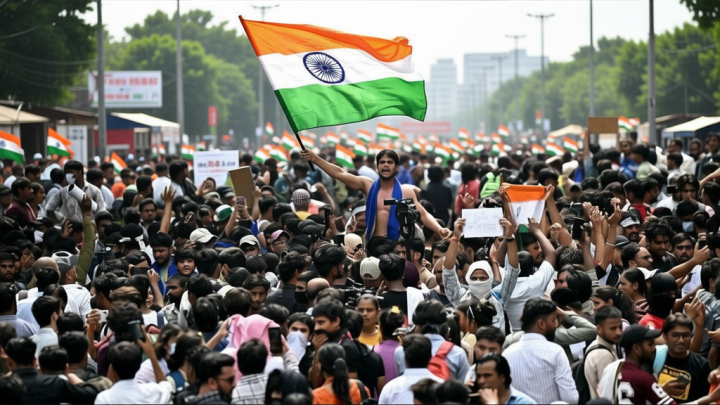
The protests, which have seen hundreds of participants, are centered around the NEET-UG exam and its impact on students. Activists have claimed that the exam’s structure, with its single-window approach and strict scoring, has left many candidates overwhelmed. The government, however, has defended the exam, emphasizing its role in ensuring fair competition and merit-based admissions. Dipke, however, accused the authorities of turning a peaceful demonstration into a violent crackdown. “They wanted to stop our march, but instead, they escalated the situation with brute force,” he said. The incident has sparked outrage among CJP members and supporters, who view it as an attempt to undermine the movement’s credibility.
“The meeting with J P Nadda was not a genuine attempt to resolve the crisis. It was a trap to capture our leaders and silence the protests,” Dipke said. He further criticized the Delhi Police, alleging that they targeted young girls during the crackdown, including those as young as 12 years old. “They beat the girls, tore their clothes, and stepped on their chests. All this was done by male officers, who acted with impunity,” he added. The CJP leader’s statements have intensified calls for accountability, with some demanding an investigation into the police’s actions during the encounter.
In response to the allegations, the government has not yet issued a formal statement. However, the Union minister’s office has indicated that the meeting was part of an effort to engage with the protesters and find common ground. “We have always been open to dialogue, and the meeting with J P Nadda was a step in that direction,” an official said. Despite this, Dipke and other CJP leaders remain skeptical, believing the government’s approach was more about containment than resolution. The incident has further fueled public anger, with social media platforms erupting in support of the protesters and condemnation of the police’s tactics.