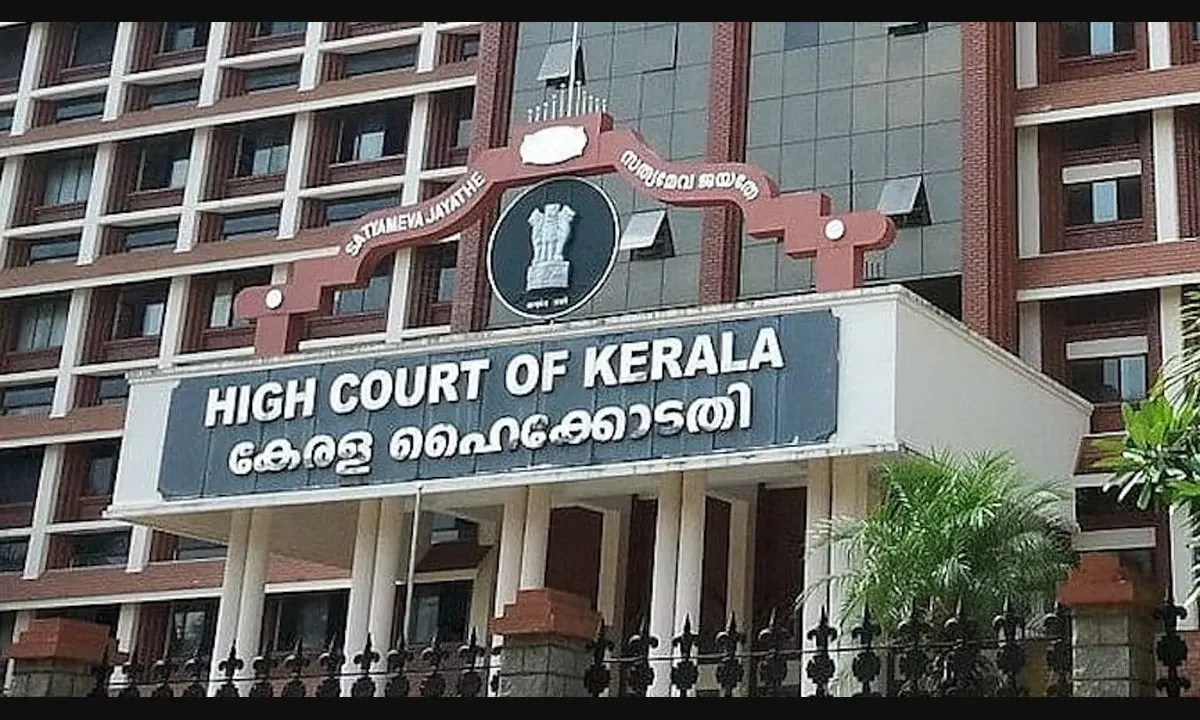

Minor Rape Convict Wanted Bail for Wife’s Post-Funeral Rites: Kerala High Court Verdict
Strict Judicial Stance on Grave Offenders
Indiadailyupdate.com – The Kerala High Court has delivered a firm decision regarding a minor rape convict wanted bail to attend his wife’s post-funeral ceremonies. The court’s ruling underscores the importance of maintaining strict standards when dealing with individuals convicted of serious offenses against vulnerable members of society. This case has drawn attention to how the judicial system balances compassion with the need for justice.
The petitioner, currently serving a sentence for raping a young girl, approached the court seeking emergency parole for ten days. His request came after he had already been granted permission to attend his wife’s funeral earlier. The court noted that authorities had shown considerable flexibility in this matter, but ultimately determined that further leniency was not warranted given the gravity of his crimes.
“The offences for which the petitioner’s brother was convicted are grave and heinous in nature, involving rape, aggravated penetrative sexual assault on a minor child, and robbery.”
During the proceedings, the judges carefully examined whether the circumstances justified granting additional relief to the prisoner. They emphasized that the penal system serves multiple purposes, including deterrence, rehabilitation, and maintaining public confidence in the justice system. The court found that granting parole in this instance would send an inappropriate message to society about how seriously such crimes are taken.
“Showing leniency in granting parole to a convict found guilty of aggravated penetrative sexual assault and the rape of a minor girl is wholly unwarranted.”
The administrative authorities had thoroughly reviewed the emergency parole application before making their decision. They concluded that the reasons presented by the convict’s family were insufficient to support the requested relief. The High Court agreed with this assessment, noting that the convict had already received maximum consideration by being allowed to attend his wife’s funeral.
“Moreover, maximum leniency has already been shown to the convict by permitting him to attend his wife’s funeral, which he did.”
The court’s reasoning highlighted that the purpose of penal legislation would be undermined if convicts of serious offenses received repeated extensions and special treatment. The judges pointed out that society expects consistent application of justice, particularly in cases involving crimes against children. Any deviation from established norms could create confusion and potentially weaken the deterrent effect of such sentences.
“The grant of emergency parole, in the facts and circumstances of the present case, would not be justified. Accordingly, the writ petition fails and is dismissed.”
Ultimately, the Kerala High Court concluded that there was no compelling reason to overturn the competent authority’s decision. The minor rape convict wanted bail had already demonstrated that the system could accommodate genuine needs without compromising justice. The court’s final order dismissed the writ petition, reinforcing the principle that those convicted of heinous crimes must serve their sentences with appropriate rigor.