NEET Agitation Enters New Phase Amidst Political Turmoil
Opposition Transforms from Supporter to Challenger
Indiadailyupdate.com – NEET agitation enters new phase as opposition parties shift from passive supporters to active challengers in the ongoing examination controversy. For months, opposition leaders merely stood alongside student demonstrators, offering moral support and raising concerns during parliamentary sessions. However, a remarkable transformation has unfolded over the past three days. The opposition has now seized the initiative, making the resignation of Education Minister Dharmendra Pradhan their central demand and primary political objective.
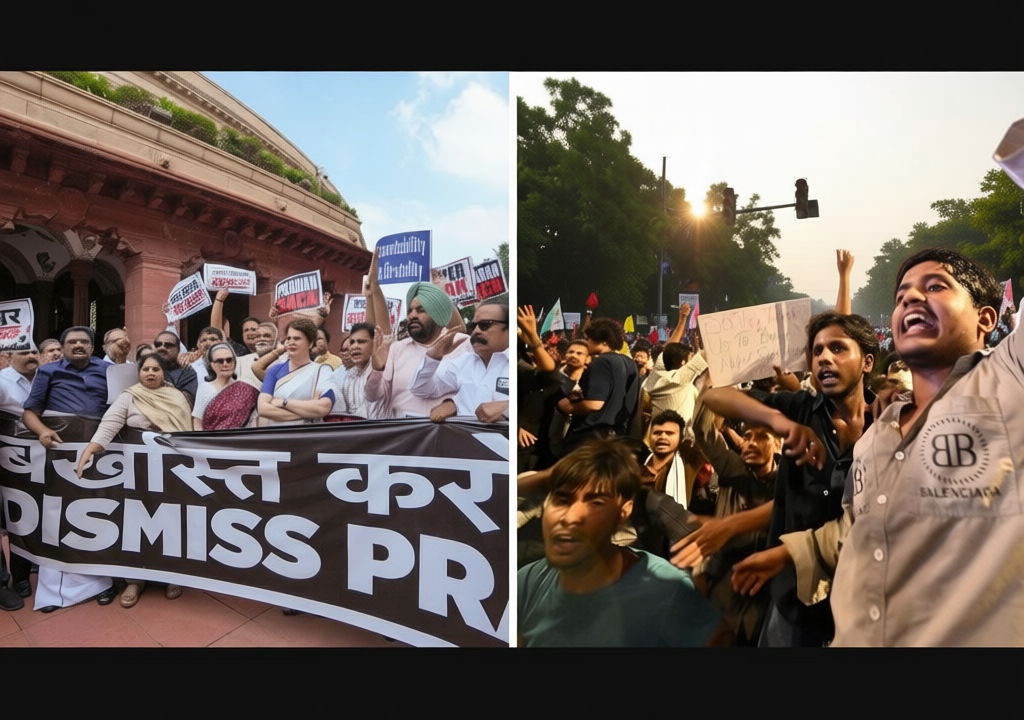
This strategic shift manifests across multiple dimensions of political engagement. After Rahul Gandhi personally joined a sit-in protest near the Prime Minister’s residence, he mobilized more than one hundred parliamentarians for a coordinated march. The delegation walked along Tees January Marg to Gandhi Smriti, the historic site where Mahatma Gandhi was assassinated. Simultaneously, senior Congress leaders appeared alongside students at Jantar Mantar, demonstrating unprecedented willingness to participate in extended street protests rather than confining their activities to parliamentary proceedings.
Divergent Political Narratives Take Shape
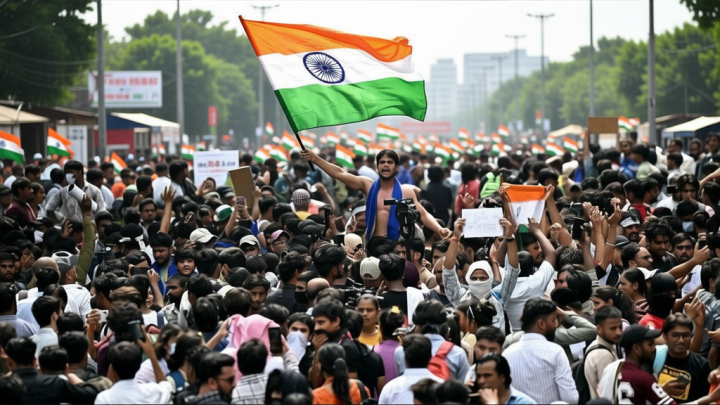
What began as a grassroots student movement focused on examination integrity has evolved into a significant political contest. Congress leadership has positioned itself as the principal champion of student grievances, seeking to capitalize on public sentiment. Meanwhile, the Bharatiya Janata Party argues that opposition parties are exploiting a legitimate student concern for political gain, transforming genuine educational issues into partisan battles.
Government efforts to address the crisis have faced considerable headwinds. Prime Minister Narendra Modi announced the creation of fast-track courts to handle examination fraud cases, pledging harsh punishments for those found guilty. Furthermore, Minister of State Jitendra Singh revealed that the central government had submitted four comprehensive proposals to student representatives and remained open to further negotiations.
Location Dispute Creates Deadlock
A critical impasse has emerged over where meaningful discussions should take place. The Cockroach Janta Party, representing the student movement, insists that talks must occur at a neutral venue rather than government premises. Proposals from officials to use BJP president J.P. Nadda’s residence or office have been firmly rejected by student leaders. Despite extensive outreach efforts from the central government, no productive dialogue had materialized by Thursday evening.
Parliamentary Procedures Under Strain
Parallel challenges have developed within legislative chambers. Opposition members in the Rajya Sabha invoked Rule 267 to demand a special discussion on the NEET controversy, effectively halting regular parliamentary business. Their stance remained uncompromising: Minister Pradhan must step down before any substantive debate can commence. The government countered by refusing this precondition while offering to conduct a thorough parliamentary discussion on the matter.
Parliamentary Affairs Minister Kiren Rijiju and other senior ministers repeatedly urged the Opposition to allow the House to function, arguing that Parliament was the proper forum to discuss the issue.
Both sides have shown remarkable stubbornness. The first four days of the Monsoon Session have been entirely consumed by procedural conflicts. Legislative sessions have experienced repeated adjournments accompanied by loud protests. Government supporters have maintained steadfast backing for the education minister, while opposition members have refused to accept any resolution that falls short of his complete resignation.
Future Implications and Outlook
The street demonstrations and parliamentary stalemate now create a mutually reinforcing cycle of political pressure. Each additional day of public protest strengthens the opposition’s position both within legislative chambers and in the broader political arena. The critical question facing the nation is whether the government can address one of the most significant youth movements in recent memory through genuine dialogue and meaningful institutional reforms, or whether opposition forces will successfully transform public frustration into lasting political pressure across multiple fronts.