Not Gen Z but Gen Next: How govt crackdown transformed the zeitgeist
Indiadailyupdate.com – Recall that beloved scene from the classic sitcom Friends? Chandler Bing, ever the lovable goofball, declares his dislike for canines despite Ross’s warnings. The collective gasp that follows—from cast members and viewers alike—speaks volumes. In America, dogs reign supreme, elevated above even human beings, particularly newcomers. Presidential pets are nearly mandatory, and canine celebrities dominate platforms from TikTok to Hollywood. They occupy a sacred space in Western culture.
India possesses its own sacred cow, both figuratively and sometimes literally. Yet there exists another demographic, rarely discussed yet universally revered, that the nation places on an untouchable pedestal. These are our children, our youth, and most importantly, the next generation. Do not label them merely as Gen Z; call them Gen Next instead. They represent everything we dream about for tomorrow.
A Turning Point for Public Sentiment
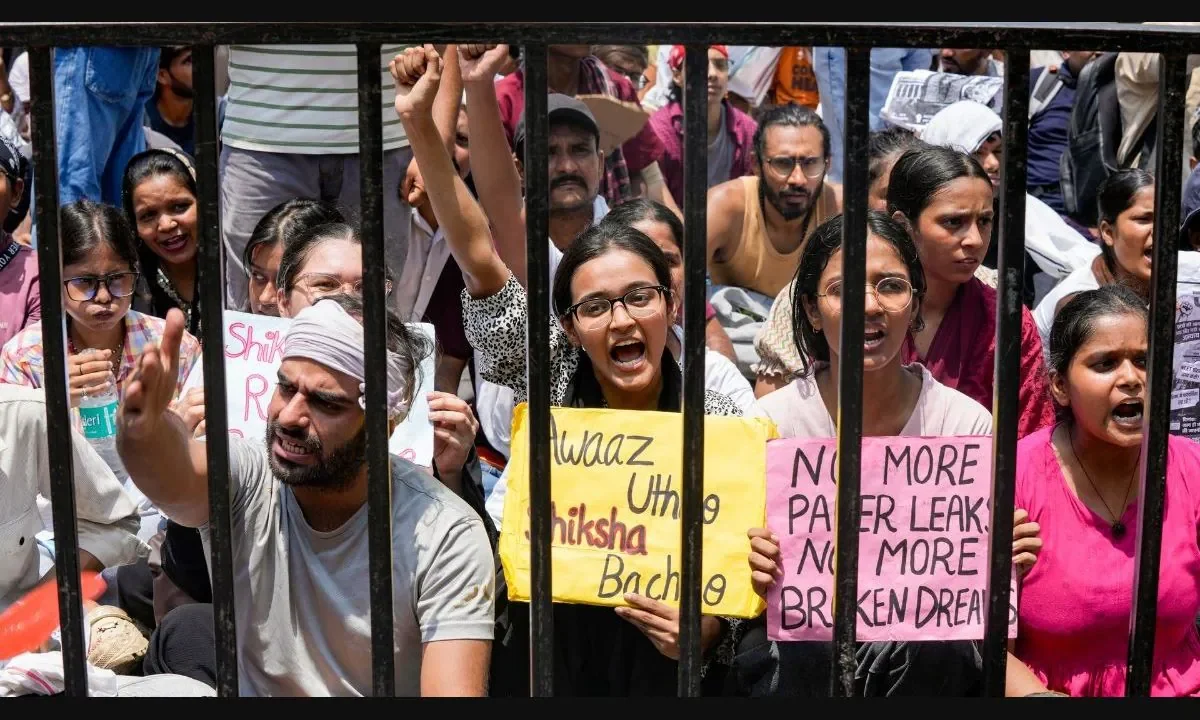
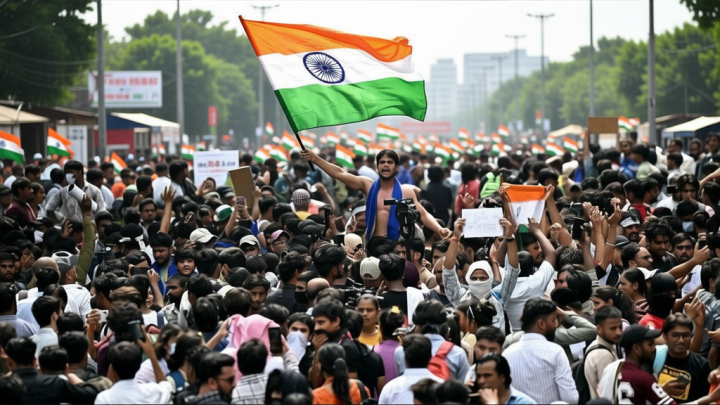
When Delhi Police deployed lathis and released tear gas against this vulnerable group, something unexpected occurred. A movement previously overlooked by both media outlets and ordinary citizens suddenly garnered widespread backing. The brutality inflicted upon peaceful demonstrators crossed what Indians consider their lakshman rekha. It wasn’t merely violence against protesters that mattered—it was that children, the nation’s future, bore the brunt of it.
What had been dismissed as political maneuvering or security concerns transformed overnight. Conspiracy theories lost their grip. The ideological divide between opposing sides blurred. Even the apathy that had settled over India in recent years began dissolving.
Images That Sparked Outrage
Certain moments captured public imagination instantly. A video showing a ten-year-old boy receiving a slap generated fury worldwide. Meanwhile, Bharat Banait, a demonstrator from Nagpur who refused to yield despite multiple police strikes, emerged as an unlikely symbol of resistance.
Another clip proved equally devastating. It showed a Delhi Police constable forcefully thrusting his lathi toward a running girl’s private area. The public relations fallout proved catastrophic. Authorities eventually released their own footage, carefully selecting scenes of injured officers and damaged vehicles, all set to stirring background music.
A New Wave of Anger
For a population accustomed to political turbulence rising and subsiding—particularly during the Modi administration, when few events seemed to disturb the prime minister’s composure—this current wave of discontent came as a revelation. These were the same individuals who, until recently, had largely ignored either the CJP sit-in at Jantar Mantar or Sonam Wangchuk’s hunger strike, dismissing both as mere politics.
While the trajectory of CJP demonstrations may carry political undertones, what matters most is how India’s leadership addresses the concerns of its younger generation. This anger operates according to different rules than previous generations.
Celebrity Silence Under Scrutiny
Instagram users launched a campaign highlighting which entertainment and sports figures had spoken—or failed to speak—about the unfolding events. Comedian Danny Fernandes captured this sentiment perfectly:
“I want you to remember that a lot of your favourite Bollywood actors, cricketers and influencers are chilling in their ivory towers watching reels of what is happening in Delhi right now. I want you to remember that their silence means that they do no care about you. They simply value their money and status more than anything you might be going through.”
Some observers drew parallels to the Sushant Singh Rajput era, when public fury permanently altered how Indians viewed Bollywood stars. While Kangana Ranaut—an actress and ruling party member who previously championed anti-Bollywood sentiment—defended the establishment with claims that “protesting in this manner is not right,” other figures sided with the youth. Shabana Azmi and Naseeruddin Shah publicly supported the demonstrators.
Even Chetan Bhagat expressed genuine concern, declaring: “The anger is real. No conspiracy theory changes that.”
The zeitgeist, fundamentally, has shifted.